

Operation Process and Working Principle of Limestone Powder Material Pneumatic Conveying System
For industrial applications requiring efficient and reliable transport of limestone powder, pneumatic conveying systems offer a sophisticated solution. These systems are integral to processes in sectors such as cement production, chemical manufacturing, and mineral processing, where the consistent and safe movement of fine powders is critical. The following article provides a detailed overview of the operation process and working principle of a limestone powder material pneumatic conveying system, highlighting key components, operational steps, and the technical advantages that make it a preferred choice in modern industrial settings.
Introduction to Pneumatic Conveying Systems for Limestone Powder
Pneumatic conveying systems utilize air or other gases to transport bulk materials like limestone powder through a network of pipes. Unlike traditional mechanical conveyors, which rely on mechanical components for movement, pneumatic systems leverage the force of compressed air to achieve material transport. This method is particularly advantageous for handling fine, dusty powders, as it minimizes product degradation and reduces the risk of contamination. The system's design is tailored to the specific characteristics of limestone powder, including its particle size, moisture content, and flowability, ensuring optimal performance and efficiency.
Core Components and Their Functions
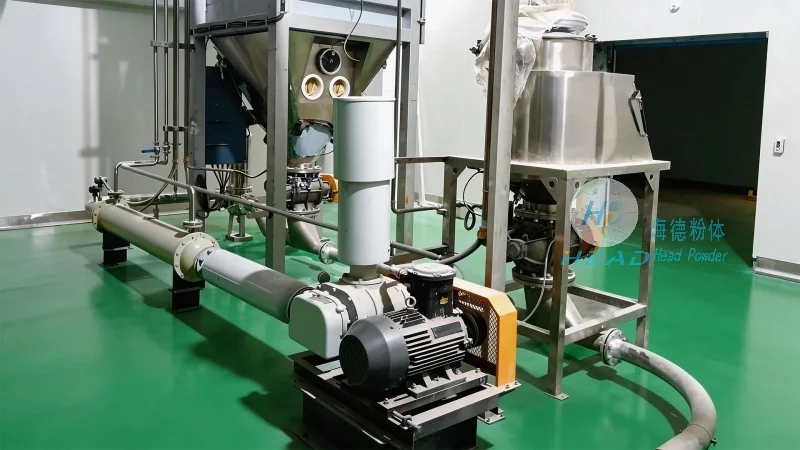
The limestone powder pneumatic conveying system consists of several key components, each playing a vital role in the overall operation. The primary components include the material hopper, air compressor, conveying pipes, control valves, and dust collection system. The material hopper serves as the storage and feeding unit, where limestone powder is loaded and metered into the system. The air compressor generates the necessary pressure to move the material through the pipes. Conveying pipes are designed with appropriate diameters and bends to facilitate smooth material flow while minimizing pressure drop. Control valves regulate the air flow and material discharge, ensuring precise control over the conveying process. The dust collection system, often integrated with the system, captures any airborne particles, maintaining environmental compliance and product purity.
The Operation Process of the System
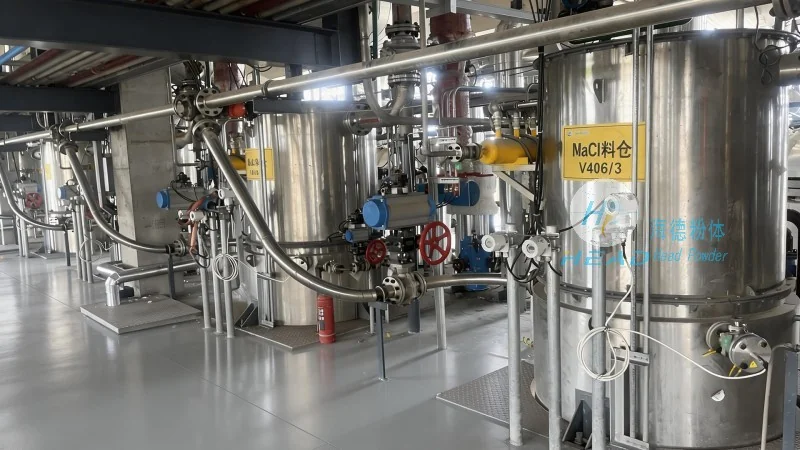
The operation of the limestone powder pneumatic conveying system follows a systematic sequence of steps. Initially, limestone powder is fed into the material hopper from a storage silo or bulk container. The hopper is equipped with a feeding mechanism, such as a rotary valve or screw feeder, which controls the flow rate of the material into the conveying line. Simultaneously, the air compressor starts and generates compressed air, which is directed into the conveying pipes. The compressed air creates a pressure differential that draws the limestone powder from the hopper and propels it through the pipes. As the material travels through the system, it may encounter bends, elbows, or expansion joints, which are designed to maintain flow efficiency and prevent material blockages. At the discharge end, the material is released into a receiving hopper or storage tank. The control valves adjust the air flow to ensure the material is discharged smoothly without excessive pressure or dust generation. The entire process is automated, with sensors and control systems monitoring key parameters such as pressure, flow rate, and material level to maintain optimal performance.
Working Principle Explained
The working principle of the limestone powder pneumatic conveying system is based on the fundamental physics of fluid dynamics and particle transport. The system operates on the principle of pneumatic transport, where the material is suspended and carried by the moving air stream. When compressed air is introduced into the conveying pipe, it creates a low-pressure zone that draws the limestone powder particles into the air stream. The air velocity within the pipe is maintained at a level sufficient to keep the particles suspended, preventing them from settling or clogging the system. The pressure drop along the length of the pipe is carefully managed to ensure that the material reaches the discharge point without excessive energy consumption. The system's efficiency is influenced by factors such as the particle size distribution, moisture content, and air flow rate. Proper design and maintenance of the system components are essential to achieve optimal performance and minimize operational costs.
Advantages of This System in Industrial Applications
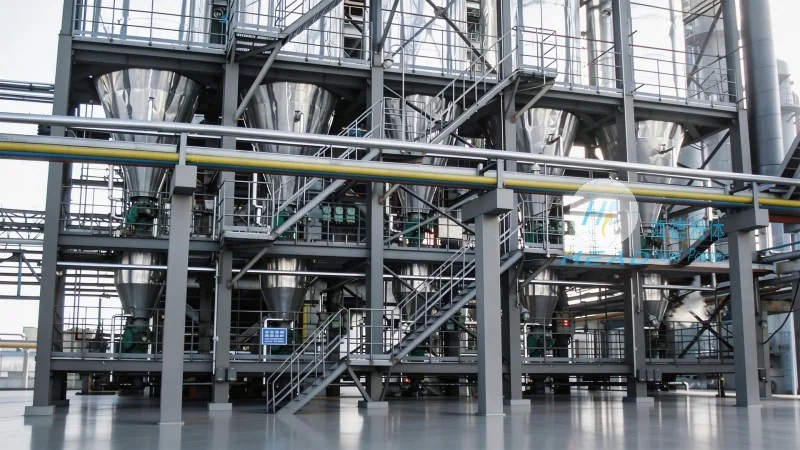
The limestone powder pneumatic conveying system offers several advantages over traditional mechanical conveying methods. One of the primary benefits is its ability to handle fine, dusty powders without causing product degradation or contamination. Unlike mechanical conveyors, which may generate friction and heat, pneumatic systems maintain the integrity of the limestone powder, preserving its quality for downstream processes. Additionally, pneumatic conveying systems are flexible and can be easily integrated into existing industrial layouts, allowing for the transport of materials over long distances and through complex piping networks. The system's compact design reduces floor space requirements, making it suitable for applications where space is limited. Another key advantage is the reduced risk of material spillage and dust emissions, as the system is enclosed and equipped with dust collection mechanisms. This not only improves workplace safety but also complies with environmental regulations. Furthermore, the system's automation capabilities enhance operational efficiency, reducing labor costs and minimizing the potential for human error.
Application Scenarios and Technical Specifications
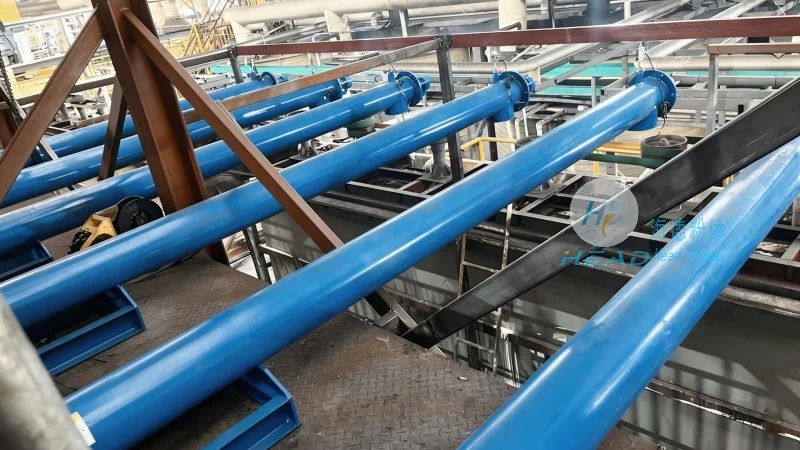
The limestone powder pneumatic conveying system is widely used in various industrial applications, including cement production, where limestone is a primary raw material. In cement plants, the system efficiently transports limestone powder from storage silos to the raw mill or kiln, ensuring a consistent supply of material for the production process. The system is also utilized in chemical manufacturing facilities, where limestone is used as a filler or raw material in the production of chemicals and coatings. Additionally, in mineral processing plants, the system helps in the transport of limestone powder from crushing and grinding units to storage or further processing stages. Technical specifications of the system vary based on the application requirements, including conveying capacity, air pressure, pipe diameter, and material flow rate. For example, a typical system may have a conveying capacity of 5-20 tons per hour, with air pressures ranging from 0.5 to 1.0 MPa. The pipe diameter is selected based on the material flow rate and particle size, typically ranging from 50 to 200 mm. The system's control system may include programmable logic controllers (PLCs) and human-machine interfaces (HMIs) for monitoring and controlling key parameters. Customization options are available to accommodate specific application needs, such as varying material characteristics or site constraints.
Conclusion and Company Profile
In conclusion, the limestone powder material pneumatic conveying system is a highly efficient and reliable solution for transporting fine powders in industrial applications. Its operation process, which involves material feeding, air compression, and controlled discharge, ensures consistent and safe material transport. The working principle, based on pneumatic transport and fluid dynamics, allows for the effective movement of limestone powder while maintaining product quality and minimizing operational costs. The system's advantages, including flexibility, reduced contamination, and automation, make it a preferred choice in modern industrial settings. For companies seeking to optimize their material handling processes, the pneumatic conveying system from Shandong HeadPowder Engineering Co., Ltd. offers a robust and customized solution. With its commitment to quality and technical expertise, HeadPowder provides systems tailored to the specific needs of industrial clients, ensuring efficient and reliable operation. Located in Shandong, China, HeadPowder has established itself as a leading provider of pneumatic conveying solutions, serving clients across various industries with high-quality equipment and professional support.