

Operation Process and Working Principle of a Chromic Oxide Material Pneumatic Conveying System
Shandong HeadPowder Engineering Co., Ltd., commonly known as headpowder, specializes in engineering solutions for material handling systems. The company, based in Shandong, China, provides advanced pneumatic conveying systems tailored for various industrial applications, including the efficient transport of chromic oxide materials. This article details the operation process and working principle of a specialized system designed for handling chromic oxide, highlighting key components, operational steps, and the underlying mechanisms that ensure reliable and efficient material transport.
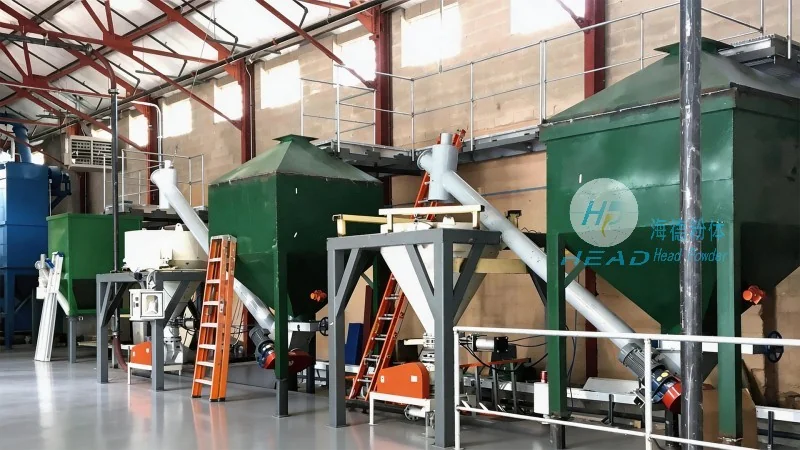
Overview of the Pneumatic Conveying System for Chromic Oxide Materials
The pneumatic conveying system for chromic oxide materials is a sophisticated industrial solution developed by Shandong HeadPowder Engineering Co., Ltd. This system is engineered to safely and efficiently transport chromic oxide, a compound commonly used in various industrial processes such as pigments, ceramics, and chemical manufacturing. The system integrates advanced technology to address the unique handling challenges associated with chromic oxide, including its potential for dust generation and the need for precise control over material flow.
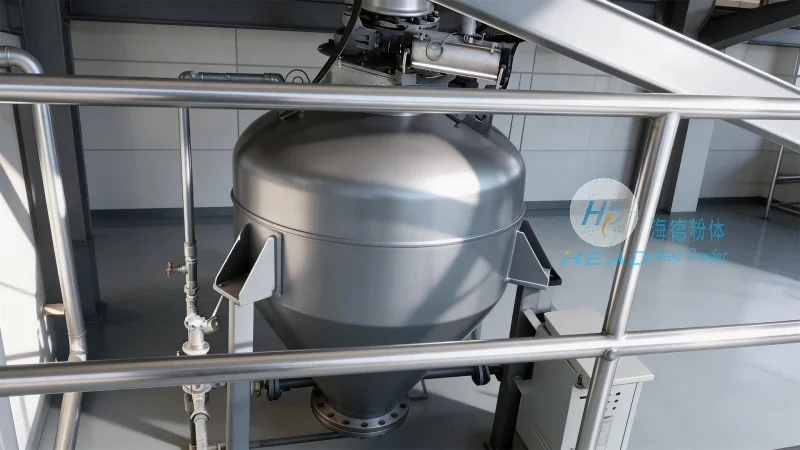
Key Components and Their Functions
The chromic oxide pneumatic conveying system consists of several critical components, each playing a vital role in the overall operation. The primary components include a material feeder, a pneumatic conveying line, a gas source (typically compressed air or a dedicated air compressor), a separation and collection unit, and a control system. The material feeder is responsible for introducing chromic oxide into the system, ensuring a consistent and controlled feed rate. The pneumatic conveying line, often made of corrosion-resistant materials like stainless steel to prevent interaction with the chromic oxide, transports the material through the system. The gas source provides the necessary pressure and flow to move the material along the line. The separation and collection unit, equipped with filters and cyclones, separates the material from the air stream and collects it in a designated container. The control system monitors and regulates the operation of all components, ensuring optimal performance and safety.
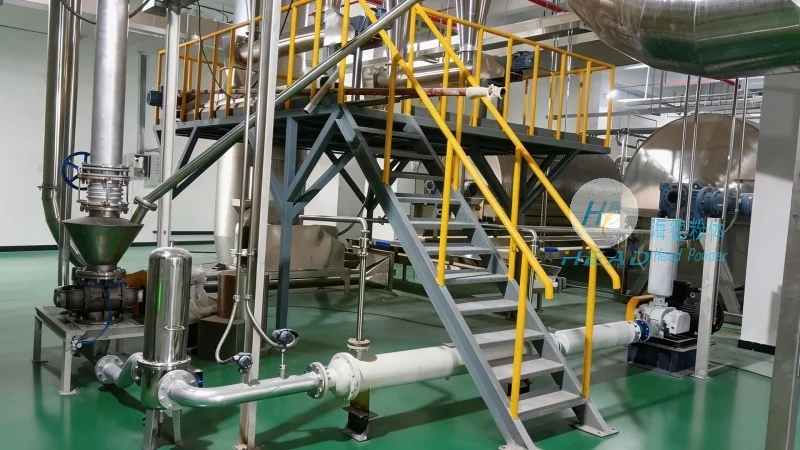
Operation Process of the System
The operation of the chromic oxide pneumatic conveying system follows a systematic sequence to ensure efficient material transport. The process begins with the preparation phase, where the material feeder is loaded with chromic oxide and the gas source is activated to reach the required pressure. Once the system is ready, the feeder starts discharging the material into the conveying line. Simultaneously, the compressed air is introduced into the line, creating a flow that carries the chromic oxide particles. As the material travels through the line, it is transported to the destination point, where the separation unit collects it from the air stream. The control system continuously monitors parameters such as pressure, flow rate, and material level, adjusting the operation as needed to maintain stability. The system operates continuously until the material feed is stopped, at which point the air flow is reduced and the material is fully collected. The entire process is designed to minimize downtime and maximize throughput, ensuring consistent performance in industrial settings.
Working Principle of the Pneumatic Conveying Mechanism
The working principle of the chromic oxide pneumatic conveying system is based on the fundamental concept of pneumatic transport, where material is moved by the action of a gas stream. In this system, the mechanism operates through the creation of a low-pressure or high-pressure air flow within the conveying line. For chromic oxide, an air-assisted suction system is typically employed, where the air stream draws the material particles into the line. The air flow velocity is carefully controlled to ensure that the material is entrained without causing excessive wear or degradation. The system leverages the principles of fluid dynamics, where the air and material particles form a two-phase flow, allowing for efficient transport over long distances. The separation process at the end of the line relies on the difference in density between the chromic oxide particles and the air, enabling the material to be collected while the air is discharged back to the system or to the atmosphere, depending on the design.
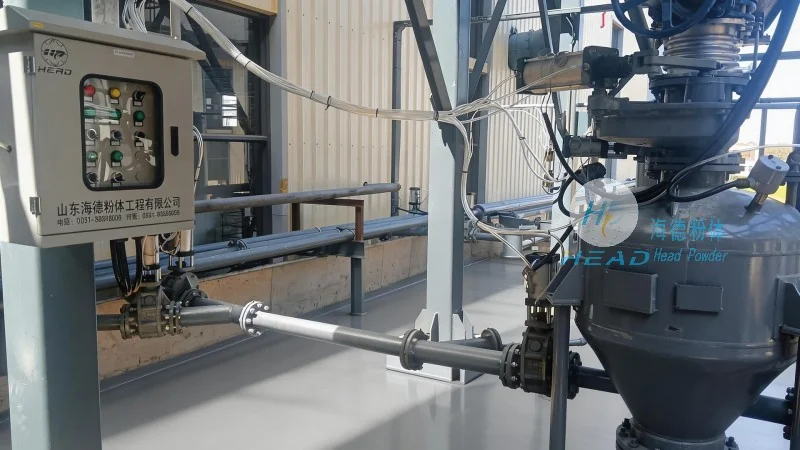
Advantages of the System in Handling Chromic Oxide
The pneumatic conveying system for chromic oxide materials offers several advantages over traditional handling methods, such as belt conveyors or manual transport. One of the primary benefits is the reduction of dust generation, which is crucial for maintaining a safe and healthy working environment, especially when handling materials like chromic oxide that can be hazardous if inhaled. The system also provides a closed-loop operation, minimizing material loss and contamination, which is essential for maintaining product quality and regulatory compliance. Additionally, the system offers high efficiency and throughput, allowing for continuous operation with minimal maintenance requirements. The use of corrosion-resistant materials in the construction of the conveying line ensures durability and longevity, even when handling abrasive materials like chromic oxide. Overall, the system enhances operational safety, improves material handling efficiency, and reduces environmental impact, making it a preferred choice for industrial applications requiring reliable transport of chromic oxide.