

Gas-Pneumatic Conveying System for Desulfurization and Denitrification Agent Materials: Operation Pr
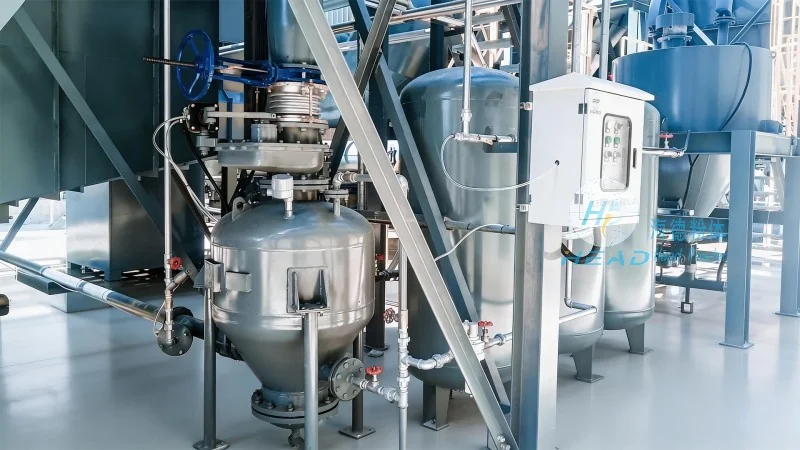
The gas-pneumatic conveying system is a critical component in industrial facilities that handle desulfurization and denitrification agent materials. This system efficiently transports bulk materials from storage silos or hoppers to processing units, ensuring a smooth and continuous flow. The operation process involves several key steps that work in tandem to achieve optimal material handling performance.
Key Operational Steps in the System
1. Material Loading: The process begins with loading the desulfurization or denitrification agent materials into the storage silo or hopper. The system is designed to accommodate various material types, including powders and granules, with adjustable feed mechanisms to control the flow rate. This step ensures that the material is properly positioned for subsequent conveying.
2. Air Supply and Pressure Regulation: Compressed air is supplied to the system, typically through a blower or air compressor. The pressure is carefully regulated to maintain the desired flow rate and prevent material blockages or degradation. Proper pressure control is essential to ensure the material is conveyed smoothly without excessive pressure that could damage the system or the material.
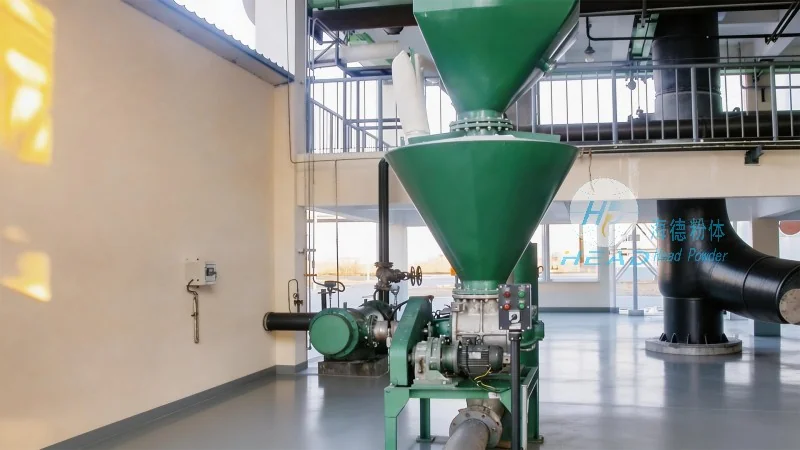
3. Conveying Pathway: The material is then drawn into the conveying line by the air flow. The system uses a combination of positive and negative pressure zones to move the material through the pipeline. The conveying path may include vertical or horizontal sections, with appropriate fittings and bends to accommodate the material's trajectory. The design of the pipeline and fittings is crucial to minimize friction and maintain consistent material flow.
4. Discharge and Dosing: At the receiving end of the system, the material is discharged into the processing unit or storage container. The system may include a dosing mechanism to control the exact amount of material being delivered, ensuring precise dosing for industrial applications. This step is vital for maintaining process efficiency and product quality.
Working Principle of the Gas-Pneumatic Conveying System
The core working principle of the gas-pneumatic conveying system relies on the interaction between air flow and solid material particles. When compressed air is introduced into the conveying line, it creates a low-pressure zone that draws the material particles into the pipeline. The air flow carries the material along the pathway, with the material suspended in the air stream. This suspension is maintained by the velocity of the air, which must be sufficient to overcome the gravitational force acting on the material particles.
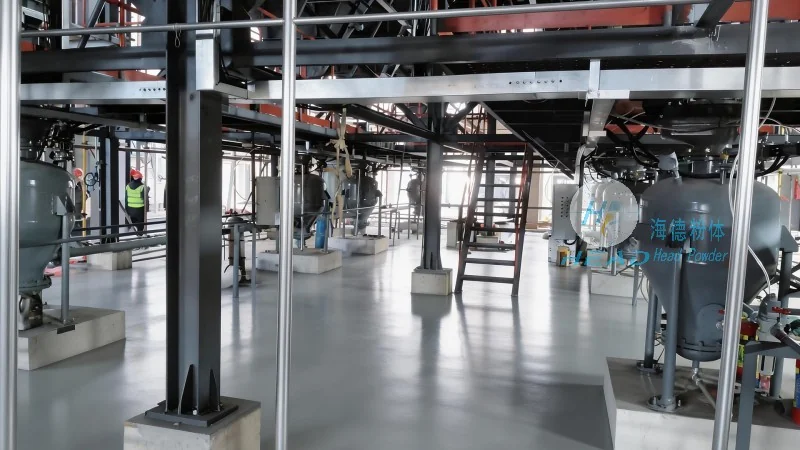
The system operates on the principle of fluidization, where the material particles are kept in a suspended state by the air flow. This fluidization allows for efficient transport of the material, as the particles move together with the air stream without settling or clogging the pipeline. The velocity of the air is a critical parameter, as it must be high enough to keep the particles suspended but not so high that it causes excessive wear on the system components or leads to material degradation.
The design of the system includes various components such as air filters, silencers, and material separators to ensure smooth operation and prevent contamination. Air filters remove dust and debris from the compressed air, while silencers reduce noise levels. Material separators may be used to separate different types of materials or to remove moisture from the material, ensuring that the delivered material meets the required specifications.
Company Information: Shandong HeadPowder Engineering Co., Ltd.
HeadPowder, a leading provider of industrial material handling solutions, specializes in designing and manufacturing gas-pneumatic conveying systems for desulfurization and denitrification agent materials. With a strong focus on innovation and quality, the company has established itself as a trusted partner in the industry. HeadPowder's systems are engineered to meet the specific needs of clients, ensuring reliable and efficient material transport in various industrial applications.
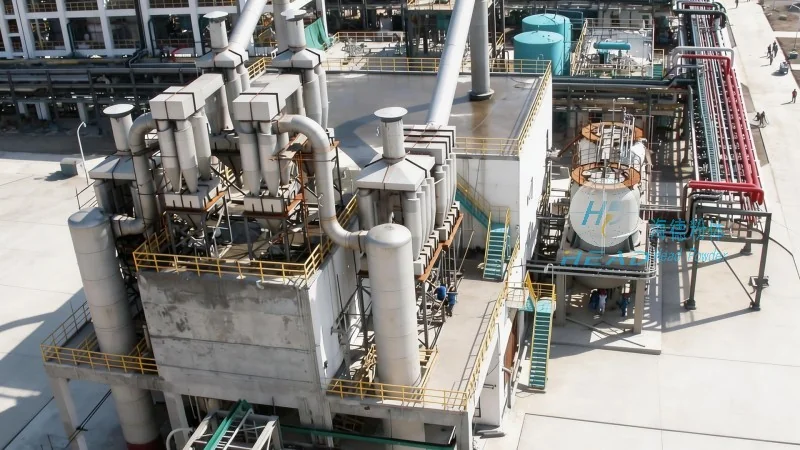
HeadPowder is headquartered in Shandong, China, and serves clients globally with customized solutions tailored to their operational requirements. The company's team of experts works closely with clients to understand their material handling challenges and develop optimal solutions. By leveraging advanced technology and rigorous quality control, HeadPowder delivers systems that enhance process efficiency, reduce downtime, and improve overall operational performance.
With a commitment to excellence and customer satisfaction, HeadPowder continues to be at the forefront of industrial material handling technology. The company's gas-pneumatic conveying systems are known for their durability, reliability, and efficiency, making them a preferred choice for industries that rely on consistent and high-quality material transport. HeadPowder's dedication to innovation and customer service ensures that clients receive the best possible solutions for their material handling needs.