

Operation Process and Working Principle of Mobile Material Pneumatic Conveying Equipment
Mobile material pneumatic conveying equipment, as a key component in modern material handling systems, plays a crucial role in efficiently transporting bulk materials over short to medium distances. Developed by Shandong HeadPowder Engineering Co., Ltd., a leading enterprise in China specializing in powder processing technology, this equipment integrates advanced pneumatic conveying technology with mobile design, offering users flexible and efficient material transport solutions. The following sections will detail the operational process and working principles of this equipment, highlighting its technical advantages and practical applications.
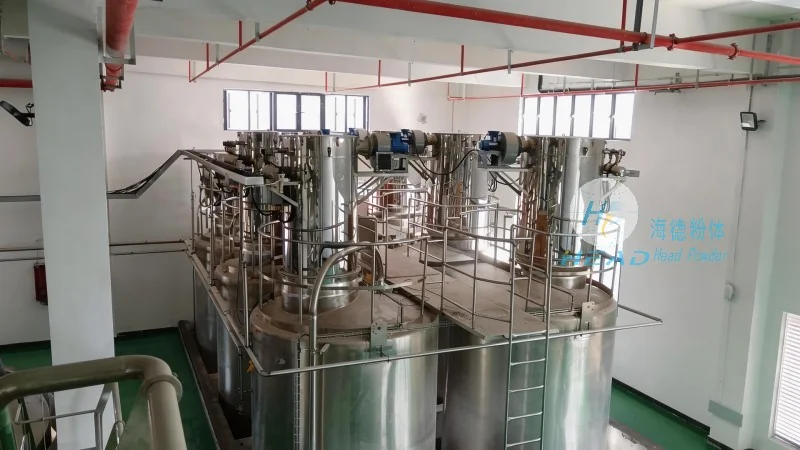
Key Components and Structure of the Equipment
The mobile material pneumatic conveying system typically consists of several core components, each playing a vital role in the overall conveying process. The main parts include a material loading hopper, a pneumatic conveying pipeline, a control system, and a mobile chassis. The material loading hopper is designed to receive bulk materials, such as powders or granules, and feed them into the conveying pipeline. The pipeline, often made of high-quality stainless steel or plastic, ensures the safe and efficient transport of materials under pressure. The control system, equipped with advanced sensors and automation technology, monitors and regulates the conveying process, ensuring stable and reliable operation. The mobile chassis provides mobility, allowing the equipment to be easily relocated to different work sites, enhancing its versatility and adaptability in various industrial applications.
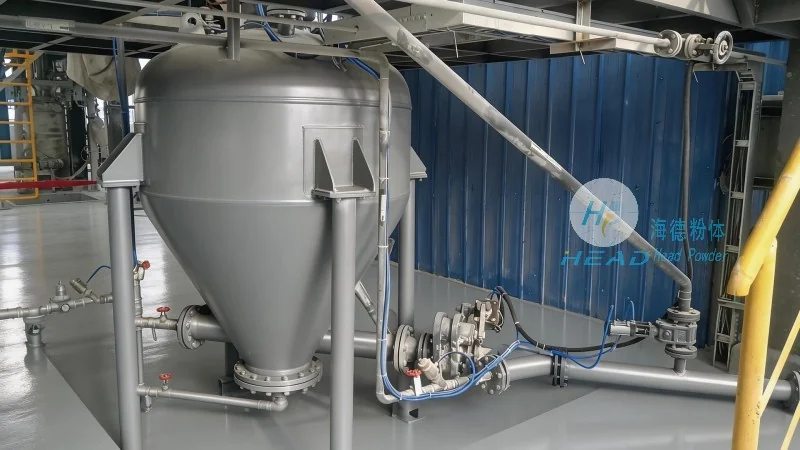
Operation Process of the Mobile Material Pneumatic Conveying Equipment
The operation process of the mobile material pneumatic conveying equipment involves several sequential steps, each carefully designed to ensure optimal material transport. The first step is material loading: bulk materials are fed into the loading hopper from a storage silo or directly from the production line. The hopper is equipped with a feeding mechanism, such as a rotary valve or a screw feeder, which controls the flow rate of materials into the conveying pipeline. The second step is air supply: a high-pressure air compressor supplies compressed air to the conveying pipeline, creating a pressure differential that drives the material flow. The compressed air, mixed with the material, forms a dense phase or dilute phase flow, depending on the system design and material characteristics. The third step is material transport: the air-material mixture travels through the pipeline under pressure, reaching the discharge point. The fourth step is material discharge: at the receiving end, the material is separated from the air, typically through a cyclone separator or a filter, and collected in a storage container or directly into the next production process. The control system continuously monitors the pressure, flow rate, and material level, adjusting the air supply and feeding rate to maintain stable operation. This closed-loop control system ensures that the conveying process is efficient, reliable, and safe, minimizing material loss and energy consumption.
Working Principle of the Pneumatic Conveying System
The working principle of the mobile material pneumatic conveying equipment is based on the fundamental physics of fluid dynamics and particle transport. The system operates by creating a pressure difference between the material loading point and the discharge point, using compressed air to move the material through the pipeline. There are two main types of pneumatic conveying systems: dense phase and dilute phase. Dense phase systems use higher air pressure and lower material velocity, resulting in a more stable and efficient transport of fine powders and granules. Dilute phase systems, on the other hand, use lower air pressure and higher material velocity, suitable for transporting larger particles or bulk materials over longer distances. The mobile design of the equipment allows for flexible installation, as it can be positioned close to the material source and the discharge point, reducing the length of the conveying pipeline and minimizing energy consumption. The integration of advanced control technology enables real-time monitoring and adjustment of the conveying parameters, ensuring optimal performance under varying material conditions and operational demands.
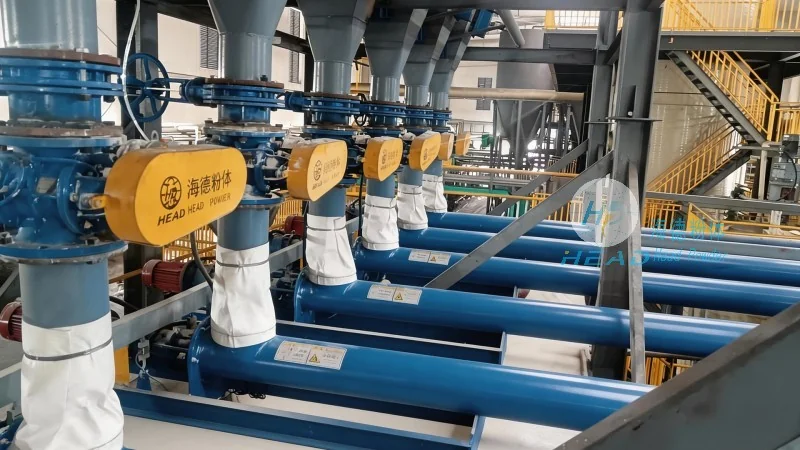
Technical Advantages and Practical Applications
Mobile material pneumatic conveying equipment developed by Shandong HeadPowder Engineering Co., Ltd. offers several technical advantages that make it an ideal choice for various industrial applications. The equipment's mobile chassis provides flexibility, allowing it to be easily moved to different work sites, reducing setup time and increasing operational efficiency. The advanced control system ensures stable and reliable operation, minimizing downtime and maintenance costs. The use of high-quality materials and components, such as stainless steel pipelines and durable feeding mechanisms, enhances the equipment's durability and longevity, reducing the need for frequent repairs and replacements. The system's ability to handle a wide range of materials, including powders, granules, and bulk materials, makes it suitable for applications in pharmaceuticals, food processing, chemical manufacturing, and construction industries. For example, in the pharmaceutical industry, the equipment can be used to transport active pharmaceutical ingredients (APIs) and excipients with high precision and minimal contamination, ensuring product quality and safety. In the food processing industry, the equipment can handle powders like flour, sugar, and spices, maintaining hygiene and preventing cross-contamination. In the chemical manufacturing industry, the equipment can transport bulk chemicals and raw materials, improving production efficiency and reducing material handling costs. Overall, the mobile material pneumatic conveying equipment provides a cost-effective and efficient solution for material transport, enhancing productivity and operational flexibility in various industrial settings.