

Operation Process and Working Principle of Dust-Free Closed Material Pneumatic Conveying Equipment
Shandong HeadPowder Engineering Co., Ltd., a leading manufacturer based in Shandong, China, specializes in the design, development, and production of advanced dust-free closed material pneumatic conveying equipment. This equipment is engineered to efficiently transport bulk materials in a sealed environment, ensuring minimal dust generation and maintaining product purity throughout the conveying process. The following sections will detail the operational process and working principles of such equipment, highlighting its key components and functional mechanisms.
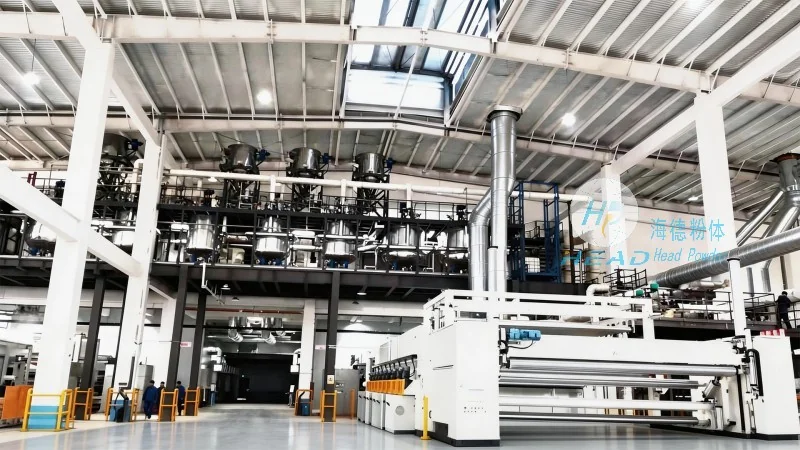
Key Components of the Pneumatic Conveying System
The dust-free closed material pneumatic conveying system typically consists of several core components that work in tandem to achieve efficient material transport. These components include a material hopper or feeder, a conveying line (often equipped with a dust filter or air filter), a pressure vessel or receiver, and a control system. The material hopper is responsible for storing and feeding the bulk material into the system, while the conveying line transports the material using pressurized air or vacuum. The pressure vessel or receiver collects the conveyed material and may include a dust removal system to ensure the air leaving the system is clean. The control system manages the flow of material and air, ensuring optimal performance and safety.
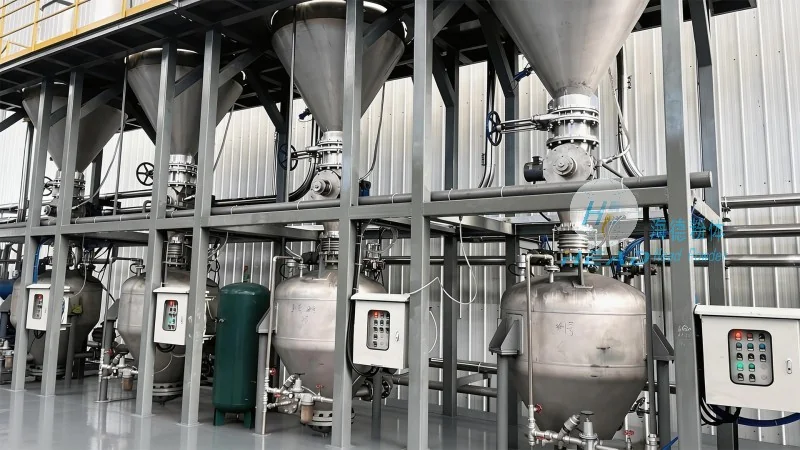
Working Principle of the Pneumatic Conveying Process
The operation of the dust-free closed material pneumatic conveying equipment follows a systematic process that ensures continuous and efficient material transport. The process begins with the material being fed from the hopper into the conveying line. In a typical positive pressure system, compressed air is introduced into the conveying line, creating a high-pressure environment that propels the material forward. The air and material mixture travels through the pipeline, with the air providing the necessary force to move the material. The system may include bends, elbows, or other fittings that guide the material along the desired path. At the receiving end, the material is deposited into the pressure vessel or receiver, while the air is filtered and returned to the system or released safely. The control system monitors pressure, flow rates, and other parameters to maintain consistent performance and prevent system failures.
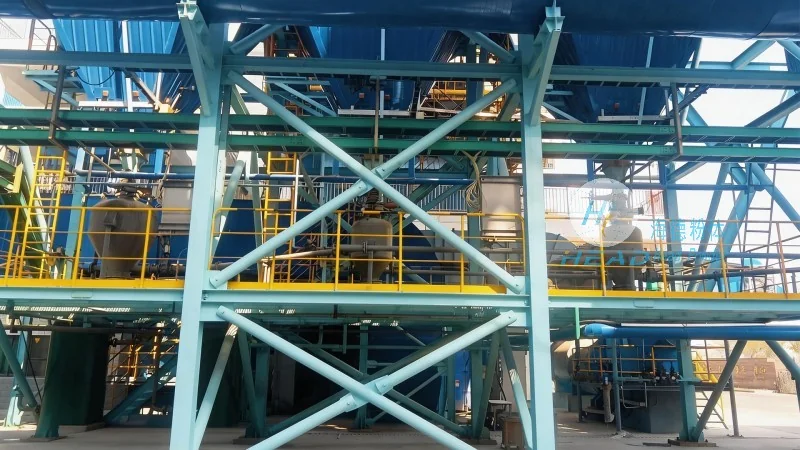
Operation Process: Step-by-Step Overview
The operational process of the dust-free closed material pneumatic conveying equipment can be broken down into several key steps, each contributing to the overall efficiency and reliability of the system. First, the bulk material is loaded into the material hopper, which is equipped with a feeding mechanism to regulate the flow rate. Next, the control system activates the compressed air supply, pressurizing the conveying line. As the air pressure increases, the material is drawn into the line and propelled towards the receiving vessel. The material travels through the pipeline, with the air maintaining a consistent velocity to prevent material settling or blockages. Upon reaching the receiving end, the material is discharged into the pressure vessel, where it accumulates until the system is ready for unloading. The air, now filtered to remove any residual dust, is either recirculated or vented, ensuring the system operates in a clean and safe manner. Throughout the process, the control system continuously monitors parameters such as pressure, flow rate, and material level, making adjustments as needed to maintain optimal performance.
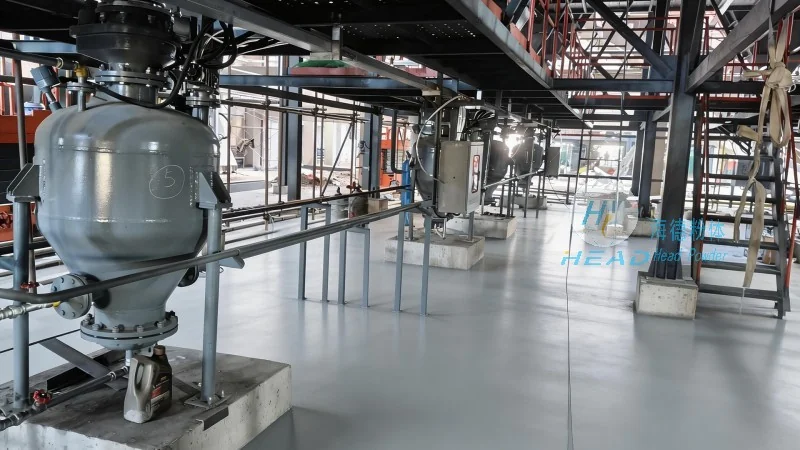
Advantages of Dust-Free Closed Material Pneumatic Conveying
Shandong HeadPowder Engineering Co., Ltd.'s dust-free closed material pneumatic conveying equipment offers several significant advantages over traditional open or manual conveying methods. Firstly, the sealed system minimizes dust generation, reducing the risk of contamination and improving workplace safety. This is particularly important for materials that are hazardous or sensitive to moisture or air exposure. Secondly, the closed system maintains product purity, ensuring that the material remains in its original state without exposure to external contaminants. This is crucial for pharmaceuticals, food products, and other industries where product quality is paramount. Additionally, the system provides high efficiency and flexibility, allowing for long-distance transport and the handling of various material types, including powders, granules, and bulk solids. The automated control system also enhances operational efficiency, reducing labor costs and minimizing the risk of human error. Overall, the dust-free closed material pneumatic conveying equipment is a reliable and effective solution for modern material handling needs.