

Operation Process and Working Principle of Fine Powder Material Pneumatic Conveying Equipment
HeadPowder, or Shandong HeadPowder Engineering Co., Ltd., is a professional manufacturer based in Shandong, China, specializing in the design, development, and production of pneumatic conveying equipment for fine powder materials. The company focuses on providing reliable and efficient solutions for the transportation of powders in various industrial applications.
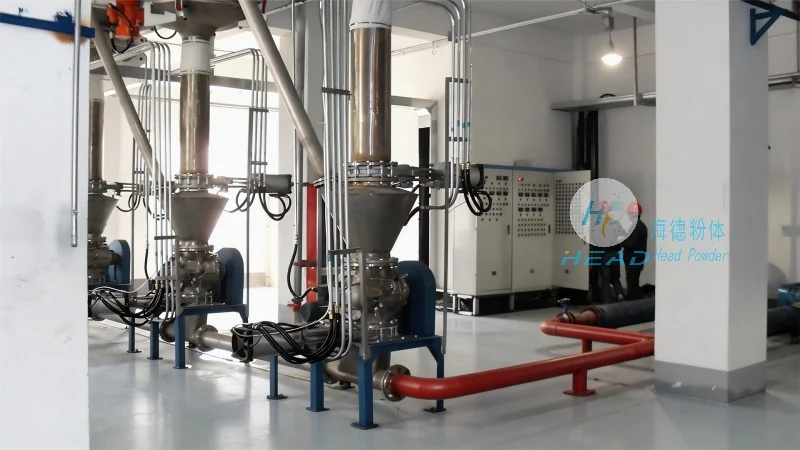
Overview of Fine Powder Material Pneumatic Conveying Equipment
Fine powder material pneumatic conveying equipment is a critical component in many industrial processes, designed to transport dry powders and granular materials through a pipeline using air or other gas as the conveying medium. This technology offers a dust-free, hygienic, and flexible method for material handling, making it suitable for a wide range of industries including pharmaceuticals, food processing, chemicals, and more.
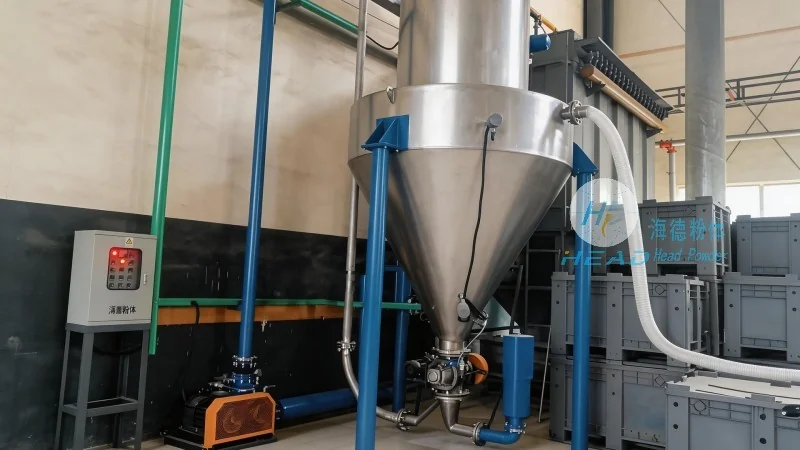
Working Principle of the Equipment
The core of the pneumatic conveying system lies in the interaction between the material and the conveying air. The process typically involves a hopper or feeder that feeds the powder into a pipeline. A blower or compressor generates the necessary air pressure, which then propels the powder particles forward. The design of the system, including the type of air flow (e.g., positive or negative pressure), the pipeline layout, and the use of components like cyclones or filters, determines the efficiency and effectiveness of the conveying process.
Operation Process of the Equipment
The operation of fine powder material pneumatic conveying equipment follows a systematic sequence to ensure smooth and continuous material transport. First, the powder is stored in a hopper or silo, where it is fed into the conveying line via a feeder or rotary valve. The blower then starts, creating the air flow that draws the powder into the pipeline. As the air and powder mixture moves through the system, it passes through various sections, such as bends, expansion joints, and control valves, which are designed to maintain the flow and prevent blockages. At the discharge end, the powder is separated from the air using a cyclone separator or filter, and the clean air is then released back into the environment. The entire process is controlled by a system of sensors and controls that monitor pressure, flow rate, and material level, ensuring optimal performance and safety.
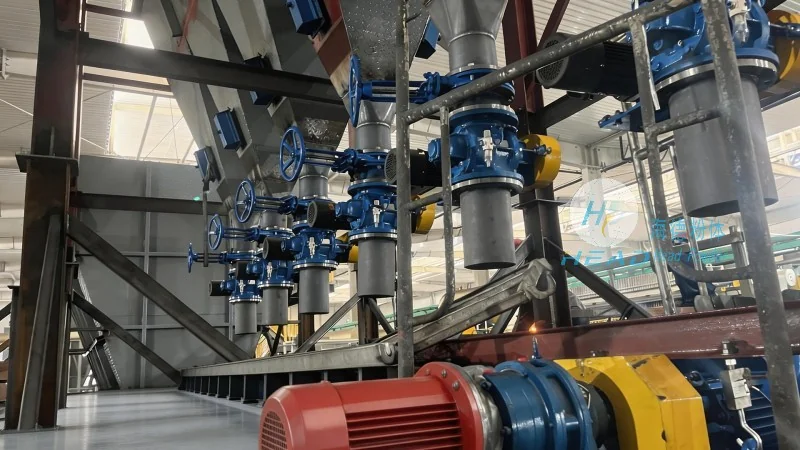
Advantages of Using Fine Powder Material Pneumatic Conveying Equipment
Implementing pneumatic conveying systems for fine powders offers several advantages over traditional methods like belt conveyors or bucket elevators. These include reduced dust generation, which improves workplace safety and compliance with environmental regulations. The hygienic design of the equipment is particularly beneficial in industries like food and pharmaceuticals, where contamination control is paramount. Additionally, the flexibility of the system allows for easy integration into existing production lines and the ability to transport materials over long distances without the need for multiple transfer points. The energy efficiency of modern pneumatic conveying systems also contributes to lower operational costs compared to other material handling methods.