

Operation Process and Working Principle of Bean Material Pneumatic Conveying Equipment
HeadPowder, a leading provider in the field, specializes in designing and manufacturing efficient pneumatic conveying systems tailored for bean material handling. The equipment is engineered to ensure reliable and safe transportation of beans from storage to processing units, offering a solution that minimizes manual labor and operational risks. With a focus on durability and performance, HeadPowder's systems are built to withstand the demands of continuous operation in agricultural and food processing environments.
Key Components and Their Functions
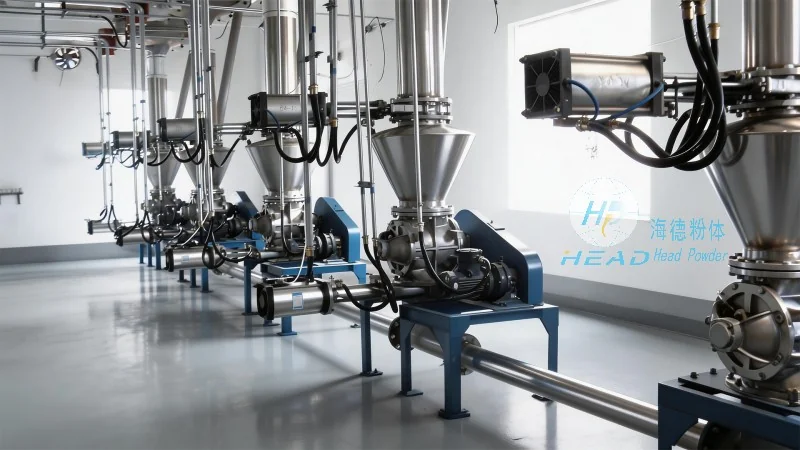
The pneumatic conveying system for bean materials typically consists of several critical components. The primary elements include a hopper for material storage, a rotary valve or feeder to control the flow rate, a conveying pipeline, a pressure vessel or receiver, and a dust collection system. Each component plays a vital role in maintaining the system's efficiency and safety. The hopper ensures a consistent supply of beans, while the feeder regulates the quantity fed into the pipeline. The conveying pipeline transports the material under pressure, and the pressure vessel collects and stores the conveyed beans. The dust collection system is essential for maintaining air quality and preventing dust accumulation, which is crucial for both operational safety and environmental compliance. Additionally, the system may include a filter to capture fine particles and a blower or pump to generate the necessary air pressure for conveying.
Working Principle of the Pneumatic Conveying Process
The operation of the bean material pneumatic conveying equipment is based on the principle of air movement to transport solid particles. In this system, air is drawn into the pipeline using a positive displacement blower or a rotary lobe pump, creating a pressure differential that propels the beans forward. The beans are introduced into the pipeline at a controlled rate, and the air flow carries them through the system. The process can be categorized into two main types: dilute-phase and dense-phase conveying. Dilute-phase conveying uses higher air velocities to transport the material in a relatively low concentration, which is suitable for short to medium conveying distances. Dense-phase conveying employs lower air velocities and higher material concentrations, which is often preferred for handling delicate or high-value beans to prevent damage during transport. The choice between these two methods depends on the specific characteristics of the bean material and the operational requirements of the processing facility.
Operation Process: Step-by-Step Overview
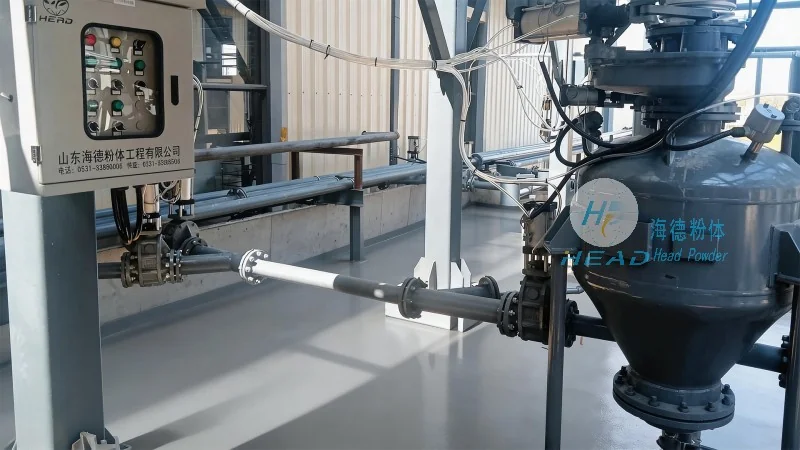
The operation process of the bean material pneumatic conveying equipment involves several sequential steps. First, the beans are loaded into the storage hopper. The rotary valve then controls the flow of beans into the conveying pipeline, ensuring a steady and controlled feed rate. The blower or pump generates the necessary air pressure, and the beans are conveyed through the pipeline to the receiving vessel. The receiving vessel collects the beans and may include a discharge mechanism to transfer them to the next processing stage, such as cleaning or sorting. The system also includes a control panel that monitors pressure, flow rate, and other parameters to ensure smooth operation. Regular maintenance, such as cleaning the hopper and checking the blower performance, is essential to maintain the system's efficiency and longevity. The control system may also include safety features like pressure relief valves to prevent over-pressurization and ensure safe operation.
Advantages of Using Pneumatic Conveying for Bean Handling
Implementing a pneumatic conveying system for bean material handling offers numerous advantages. One of the key benefits is the reduction in manual handling, which minimizes the risk of injury and improves workplace safety. The system also ensures consistent and uniform material flow, which is critical for maintaining product quality and preventing contamination. Additionally, pneumatic conveying systems are compact and can be integrated into existing processing facilities, saving space and reducing installation costs. The enclosed pipeline design prevents dust and moisture from affecting the beans, preserving their quality and extending shelf life. Furthermore, the system's ability to handle various bean types, including different sizes and shapes, makes it a versatile solution for different processing needs. The enclosed design also helps in maintaining hygiene standards, which is crucial for food processing applications.
Application Scenarios and Customization Options
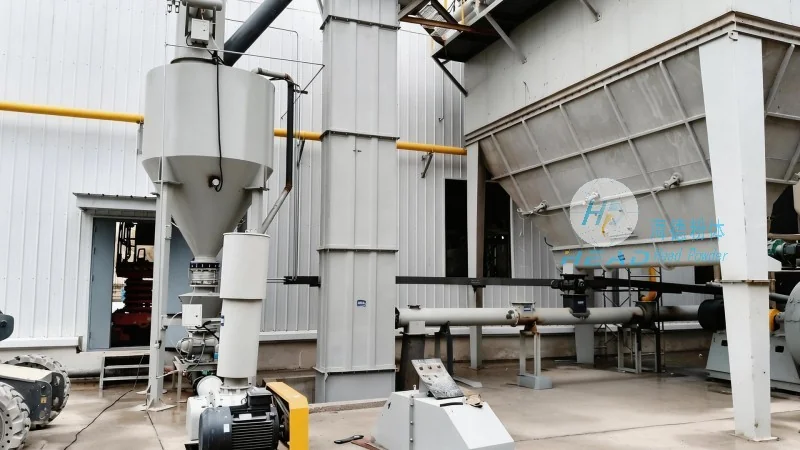
HeadPowder's bean material pneumatic conveying equipment is suitable for a wide range of applications in the agricultural and food processing industries. Common applications include transporting beans from storage silos to processing lines, moving beans between different processing stages such as cleaning, sorting, and roasting, and transferring beans to packaging units. The equipment can be customized to meet specific operational requirements, such as varying conveying distances, material flow rates, and system pressure. For example, for long-distance conveying, a high-pressure system with a larger blower capacity may be recommended. For handling delicate beans, a dense-phase conveying system with lower air velocities is preferred to prevent damage. HeadPowder provides tailored solutions based on the client's specific needs, ensuring optimal performance and efficiency. The customization options may include different hopper sizes, feeder types, pipeline materials, and control systems to suit various operational conditions and bean characteristics.
Maintenance and Operational Tips for Optimal Performance
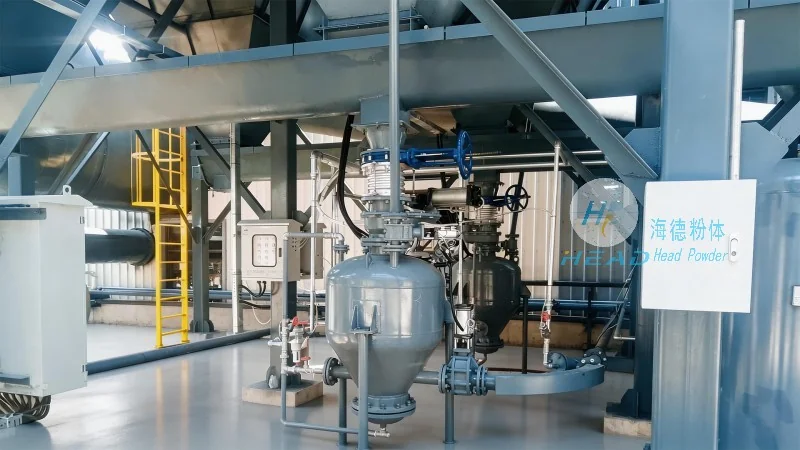
To ensure the long-term reliability and efficiency of the bean material pneumatic conveying equipment, regular maintenance and proper operational practices are essential. Routine checks should include inspecting the hopper and feeder for blockages or wear, cleaning the dust collection system to prevent clogging, and verifying the performance of the blower or pump. The control system should be monitored regularly to ensure all parameters are within the specified range. It is also important to follow the manufacturer's guidelines for material loading and flow rates to prevent system overload. Proper training of operators on the system's operation and maintenance is crucial to avoid operational errors and ensure safety. By adhering to these maintenance and operational tips, the system can maintain its performance and extend its service life, providing consistent and reliable bean material handling for years to come.
Conclusion: Enhancing Efficiency in Bean Processing
HeadPowder's bean material pneumatic conveying equipment offers a reliable and efficient solution for transporting beans in agricultural and food processing applications. By understanding the operation process and working principles of the system, users can optimize its performance and ensure consistent product quality. The equipment's design and components are tailored to meet the specific needs of bean handling, providing a versatile and durable solution that minimizes manual labor and operational risks. With proper maintenance and operational practices, the system can deliver long-term performance and contribute to the overall efficiency of bean processing operations. HeadPowder continues to innovate in the field of pneumatic conveying systems, providing advanced solutions that meet the evolving needs of the industry.