

Operation Process and Working Principle of Pneumatic Conveying Equipment for Coating Materials
HeadPowder, a leading manufacturer in the field of pneumatic conveying technology, specializes in providing advanced solutions for the efficient transport of coating materials. The company, based in Shandong, China, has established itself as a trusted partner for industries requiring reliable and efficient material handling systems.
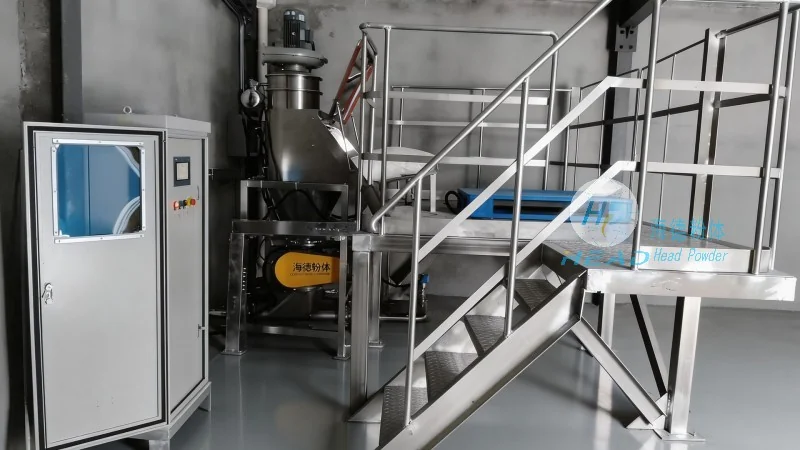
Introduction to Pneumatic Conveying Systems for Coating Materials
Pneumatic conveying equipment is a critical component in modern coating production lines, enabling the safe and efficient transfer of powders and granules from storage to processing units. This technology eliminates the need for traditional bulk handling methods, such as belt conveyors or bucket elevators, which can be prone to material degradation and contamination. By utilizing air as the conveying medium, these systems offer a hygienic, dust-free, and energy-efficient solution for transporting coating materials.
Key Components of Pneumatic Conveying Equipment
The operation of pneumatic conveying equipment for coating materials involves several key components that work in tandem to ensure smooth and reliable material transport. These components include the hopper or feed bin, which holds the raw coating material; the air compressor or blower, which generates the necessary air pressure; the conveying line, typically made of stainless steel or other corrosion-resistant materials to prevent material degradation; and the control system, which regulates the flow of material and air. Additionally, filters and cyclones are often integrated to separate the material from the air stream, ensuring that the material is returned to the system while the air is safely vented.
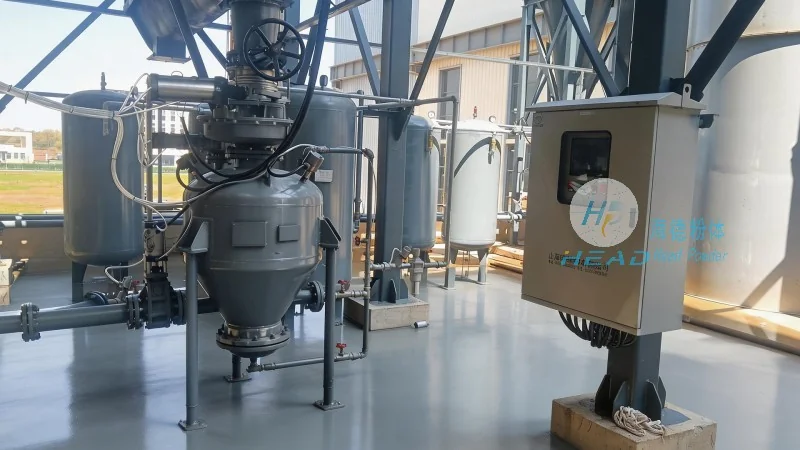
Operation Process of Pneumatic Conveying for Coating Materials
The operation process of pneumatic conveying equipment for coating materials begins with the loading of the coating material into the hopper. The material is then fed into the conveying line under the pressure of the air compressor. As the air flows through the line, it entrains the material particles, creating a slurry-like mixture that is transported to the destination point, such as a mixing tank or a storage silo. The control system monitors the flow rate and pressure, adjusting the air supply as needed to maintain optimal conveying conditions. Upon reaching the destination, the material is separated from the air using a cyclone or filter, and the material is collected while the air is discharged. This process ensures that the coating material is transported with minimal loss and maximum efficiency.
Working Principle of Pneumatic Conveying Systems
The working principle of pneumatic conveying equipment for coating materials is based on the principle of fluidization and drag. In a positive pressure system, the air compressor forces air into the conveying line, creating a high-pressure environment that lifts and transports the material particles. The material is suspended in the air stream, and the velocity of the air determines the conveying capacity. In a negative pressure system, the air is drawn from the conveying line using a vacuum pump, creating a low-pressure environment that pulls the material from the hopper into the line. Both systems rely on the interaction between the air flow and the material particles to achieve efficient transport. The design of the conveying line, including the diameter and length, is critical to maintaining the appropriate air velocity and pressure to prevent material deposition or blockage.
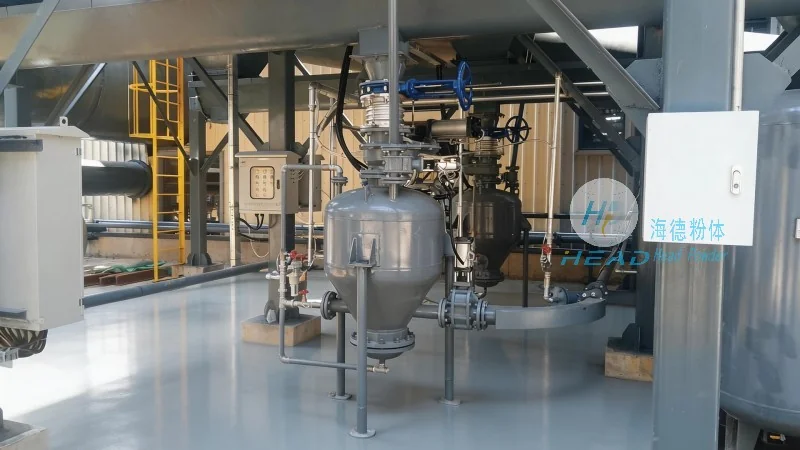
Advantages of Using Pneumatic Conveying for Coating Materials
There are several advantages to using pneumatic conveying equipment for coating materials. Firstly, it provides a hygienic and dust-free environment, which is essential for coating materials that are used in food, pharmaceutical, or cosmetic applications. The closed system prevents contamination from external sources and minimizes dust emissions. Secondly, it offers high efficiency and low energy consumption compared to traditional bulk handling methods. The system can transport materials over long distances with minimal energy input. Thirdly, it reduces material degradation and loss, as the material is not subjected to mechanical stress or impact during transport. This results in higher product quality and reduced waste. Finally, the system is flexible and can be easily integrated into existing production lines, allowing for easy expansion or modification as production needs change.
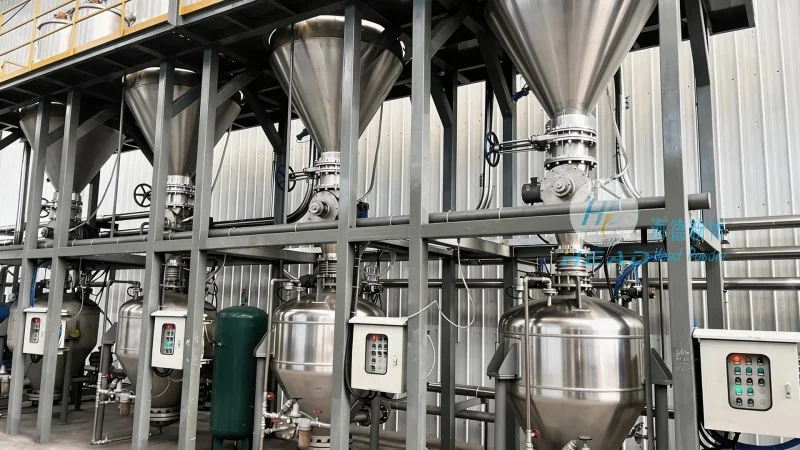
Applications of Pneumatic Conveying Equipment in Coating Industries
Pneumatic conveying equipment is widely used in various coating industries, including paint manufacturing, powder coating, and industrial coating applications. In paint manufacturing, the equipment is used to transport pigments, binders, and additives from storage to the mixing tanks. In powder coating, it is used to transport the powder coating material from the hopper to the spray booth or the curing oven. In industrial coating applications, it is used to transport specialty coatings, such as anti-corrosive or thermal insulation coatings, to the application equipment. The versatility of pneumatic conveying systems makes them suitable for a wide range of coating materials and applications.
Conclusion and Company Overview
HeadPowder Engineering Co., Ltd., based in Shandong, China, is a leading provider of pneumatic conveying equipment for coating materials. The company's advanced technology and expertise ensure that customers receive reliable and efficient solutions tailored to their specific needs. By leveraging the operation process and working principle of pneumatic conveying systems, HeadPowder helps industries improve their production efficiency, reduce costs, and enhance product quality. With a commitment to innovation and customer satisfaction, HeadPowder continues to be a trusted partner in the coating industry, providing cutting-edge solutions for material handling challenges.