

Operation Process and Working Principle of Coal and Coke Material Pneumatic Conveying Equipment
Shandong HeadPowder Engineering Co., Ltd., commonly known as Headpowder, is a professional manufacturer and supplier of pneumatic conveying equipment for coal and coke materials. With a focus on technological innovation and quality assurance, the company has established itself as a leading provider in the industry, offering reliable solutions for material handling in various industrial applications. Headpowder's headquarters is located in Shandong, China, where the company conducts research, development, and production to meet the diverse needs of clients worldwide.
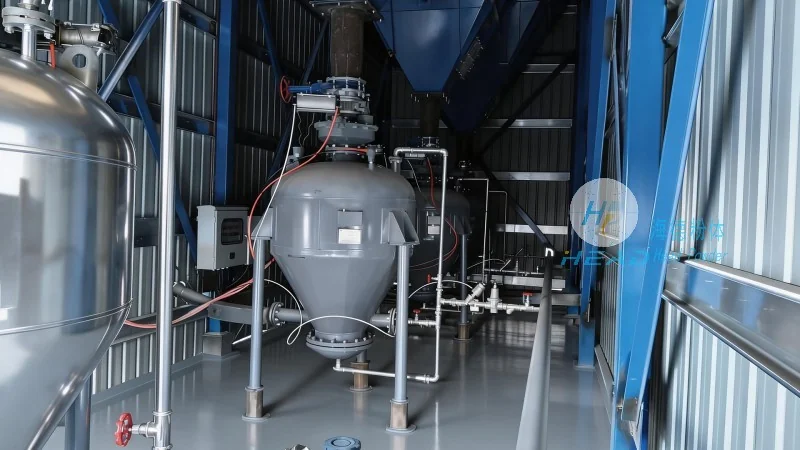
Overview of Pneumatic Conveying Equipment for Coal and Coke Materials
Pneumatic conveying equipment is a critical component in the processing and transportation of coal and coke materials. These systems utilize air or gas to transport bulk materials from one location to another, eliminating the need for traditional mechanical conveyors such as belts or buckets. The equipment is designed to handle abrasive and heavy materials like coal and coke, ensuring efficient and safe material transfer. Headpowder specializes in designing and manufacturing customized pneumatic conveying solutions tailored to the specific requirements of each client, including different material types, flow rates, and operational environments.
Key Components and Structure of Pneumatic Conveying Systems
The pneumatic conveying system for coal and coke materials typically consists of several key components, each playing a vital role in the overall operation. The main components include the material hopper, feeder, air compressor or blower, conveying pipeline, and discharge device. The material hopper is used to store and feed the coal or coke into the system, while the feeder controls the flow rate of the material. The air compressor or blower generates the necessary air pressure to move the material through the pipeline. The conveying pipeline is usually made of durable materials like stainless steel or plastic to withstand the abrasive nature of the materials. The discharge device, such as a rotary valve or a dust collector, collects the material at the end of the pipeline, ensuring a clean and efficient discharge process.
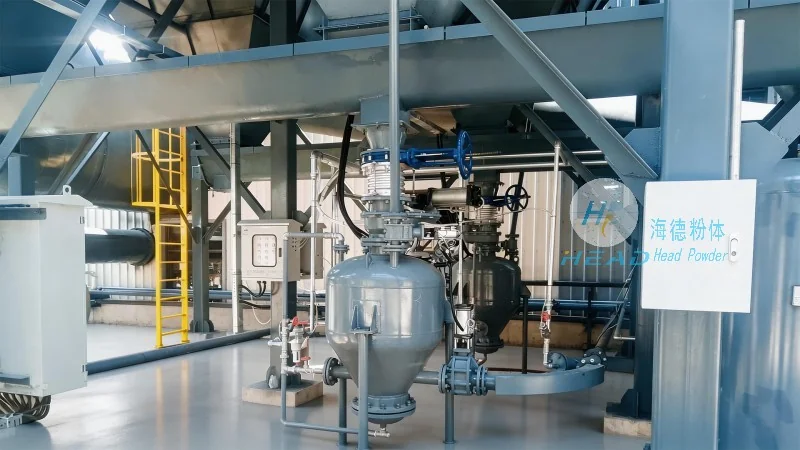
Operation Process of Pneumatic Conveying Equipment
The operation process of pneumatic conveying equipment for coal and coke materials involves several steps to ensure smooth and continuous material transfer. First, the coal or coke is loaded into the material hopper. The feeder then regulates the flow of material into the conveying pipeline. Simultaneously, the air compressor or blower starts to operate, generating the required air pressure. The air and material mixture is then transported through the pipeline to the discharge point. At the discharge end, the material is separated from the air, often using a cyclone separator or a dust collector, and collected in a storage bin or directly to the next processing stage. The system operates continuously, with the air flow and material feed adjusted as needed to maintain optimal performance and prevent blockages or overloading.
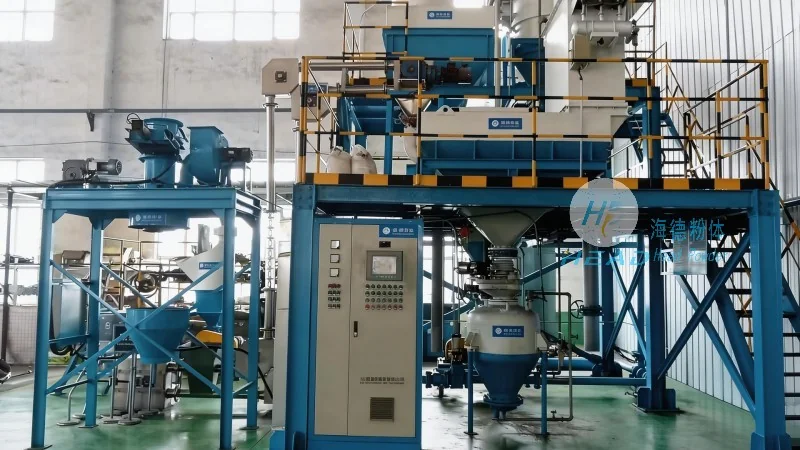
Working Principle of Pneumatic Conveying Equipment
The working principle of pneumatic conveying equipment for coal and coke materials is based on the fundamental concept of transporting bulk materials using air as the conveying medium. There are two main types of pneumatic conveying systems: suction (or vacuum) systems and pressure systems. Suction systems use a vacuum to draw material from the source into the pipeline, while pressure systems use compressed air to push material through the pipeline. In the case of coal and coke materials, both systems are commonly used depending on the application requirements. The suction system is often preferred for short-distance or low-pressure applications, while the pressure system is suitable for longer distances or higher material flow rates. The key principle is that the air flow creates a pressure differential that propels the material through the pipeline, with the material being carried by the air stream as it moves through the system. The design of the conveying pipeline, including the diameter and length, is critical to ensure efficient material transport and minimize energy consumption.
Advantages and Applications of Pneumatic Conveying Equipment
Pneumatic conveying equipment offers several advantages over traditional mechanical conveyors, making it an ideal choice for handling coal and coke materials. One of the primary advantages is the ability to transport materials in a closed system, which helps to prevent dust emissions and improve workplace safety. This is particularly important for coal and coke, which can generate significant dust during handling. Additionally, pneumatic conveying systems are highly flexible and can be easily adapted to different operational conditions, including changes in material flow rates or pipeline layout. The equipment is also capable of handling abrasive and heavy materials without causing wear and tear on the components, as the material is carried by the air stream rather than by mechanical contact. Headpowder's pneumatic conveying equipment is widely used in various industries, including power plants, steel mills, and chemical plants, for the transportation of coal and coke from storage facilities to processing units or for distribution to different parts of the plant. The systems are designed to handle large volumes of material efficiently, reducing labor costs and improving overall operational efficiency.