

Introduction to Sugar Pneumatic Conveying: Structural Design and Working Principles
HeadPowder, a leading enterprise in the field of powder handling and material transportation, specializes in the design and implementation of pneumatic conveying systems for sugar and other bulk materials. This article provides a comprehensive overview of the sugar pneumatic conveying process, focusing on its structural components and fundamental operating principles. By understanding these elements, users can appreciate the efficiency and reliability of pneumatic conveying as a modern solution for sugar transportation in industrial settings.
Key Structural Components of Sugar Pneumatic Conveying Systems
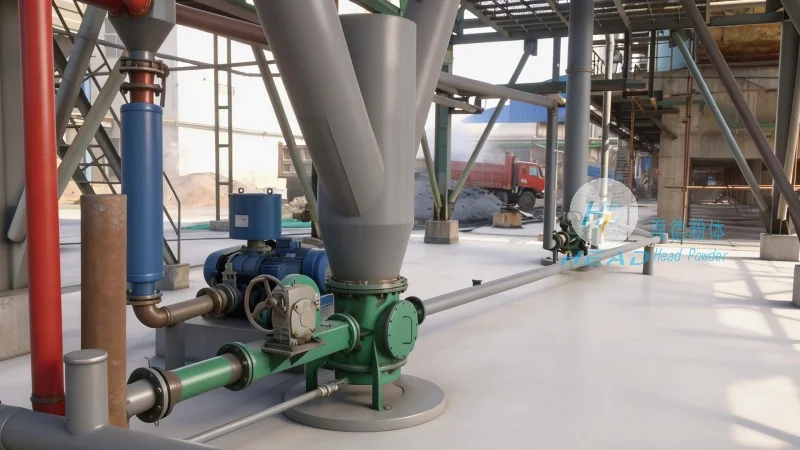
The sugar pneumatic conveying system typically consists of several critical components that work in tandem to transport sugar from the source to the destination. The main parts include the hopper, which serves as the storage and feeding unit, the air compressor or blower that generates the necessary airflow, the pipeline network that carries both the sugar and air, and the discharge unit where the sugar is released. Each component plays a vital role in ensuring the smooth and continuous operation of the system. The hopper is designed to maintain a consistent flow of sugar, preventing blockages and ensuring a steady supply to the conveying line. The air compressor provides the pressure and volume of air required to move the sugar particles through the pipeline, with the blower often chosen for its efficiency and suitability for handling fine powders like sugar. The pipeline system, usually made of materials such as stainless steel or plastic, is engineered to withstand the pressure and abrasion caused by the sugar particles, ensuring durability and minimal maintenance. The discharge unit, which may include valves and filters, controls the release of sugar at the end of the pipeline, allowing for precise dosing and collection.
Working Principle of Sugar Pneumatic Conveying
The fundamental principle behind sugar pneumatic conveying is the use of air to transport solid particles through a pipeline. This method, known as pneumatic conveying, relies on the interaction between the air flow and the sugar particles to achieve movement. The process begins with the sugar being fed from the hopper into the pipeline, where it is entrained by the high-velocity air stream generated by the compressor. The air flow creates a low-pressure zone within the pipeline, which draws the sugar particles along with it. As the sugar travels through the pipeline, it experiences a series of pressure changes and velocity variations, which help to maintain the flow and prevent clogging. The system is designed to handle different sugar types, including granulated, powdered, and crystalline forms, by adjusting the air pressure and flow rate to suit the specific characteristics of each product. The working principle is based on the concept of fluidization, where the sugar particles are suspended in the air stream, allowing them to move freely and efficiently. This method is particularly effective for sugar because it is a fine powder that can be easily carried by air, reducing the need for mechanical conveying equipment that may cause contamination or damage to the product.
Advantages of Pneumatic Conveying for Sugar Handling
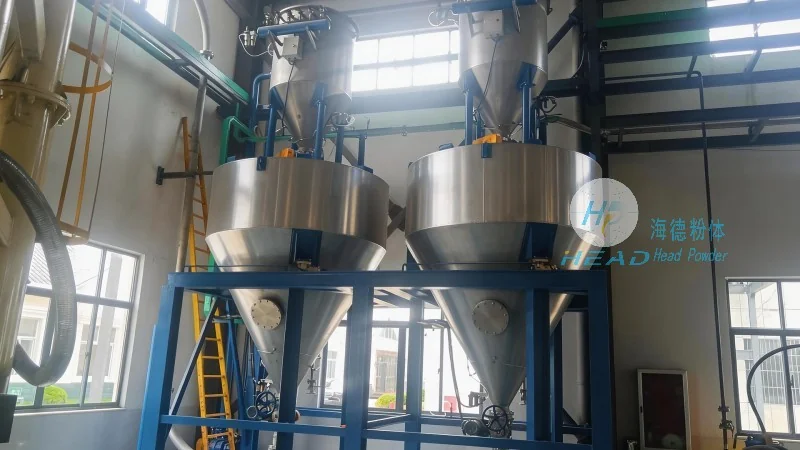
Compared to traditional mechanical conveying methods, sugar pneumatic conveying offers several significant advantages that make it a preferred choice for many industries. One of the primary benefits is the ability to transport sugar in a closed system, which helps to maintain product quality and prevent contamination from external factors such as dust, moisture, or pests. The closed pipeline design also reduces the risk of product spillage and environmental pollution, making it an environmentally friendly option. Another advantage is the high efficiency and speed of the system, which can transport large quantities of sugar over long distances with minimal energy consumption. The pneumatic system can handle high volumes of material with low maintenance requirements, as there are fewer moving parts compared to mechanical conveyors. Additionally, the system is flexible and can be easily modified or expanded to accommodate changes in production needs or facility layouts. The ability to control the flow rate and pressure allows for precise dosing and dosing, which is crucial for applications such as sugar processing, packaging, and blending. The system also reduces labor costs by automating the transportation process, freeing up workers for other tasks and improving overall productivity.
Applications of Sugar Pneumatic Conveying in Industrial Settings
Sugar pneumatic conveying systems are widely used in various industrial applications where efficient and reliable transportation of sugar is essential. In the sugar manufacturing industry, these systems are used to transport raw sugar from storage silos to processing equipment, such as crushers and refiners. The pneumatic conveying allows for a continuous and uninterrupted flow of sugar, ensuring that the processing line operates at optimal capacity. In the food processing sector, sugar is often used as an ingredient in a wide range of products, including beverages, baked goods, and confectionery. The pneumatic system is used to transport sugar from storage to production lines, where it is blended with other ingredients or packaged for distribution. In the pharmaceutical industry, sugar is used as a sweetener and filler in various medications, and the pneumatic conveying system ensures that the sugar is transported in a sterile and controlled environment, maintaining the quality and safety of the final product. Additionally, sugar pneumatic conveying is used in the chemical and petrochemical industries for the transportation of sugar-based products or as a raw material in chemical processes. The versatility of the system makes it suitable for a wide range of applications, from small-scale operations to large industrial facilities.
Installation and Maintenance Considerations for Sugar Pneumatic Conveying Systems
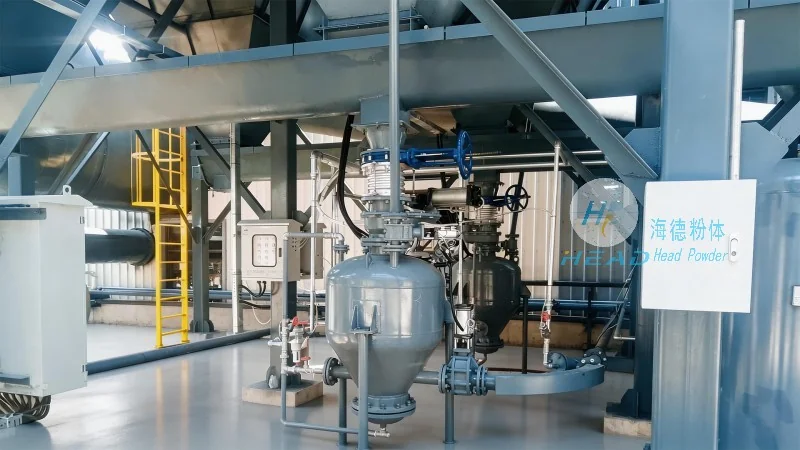
Proper installation and regular maintenance are crucial for the efficient and long-term operation of sugar pneumatic conveying systems. During the installation process, it is important to ensure that all components are properly aligned and connected to prevent air leaks or blockages. The pipeline should be checked for any kinks or bends that could impede the flow of sugar or air, and the system should be tested for pressure and flow rates to ensure it meets the design specifications. The hopper and discharge unit should be properly sealed to prevent dust and moisture from entering the system, which could affect the quality of the sugar and cause corrosion or other issues. Regular maintenance is essential to keep the system in good working condition. This includes cleaning the pipeline and components to remove any accumulated sugar or debris, checking the air compressor or blower for wear and tear, and replacing filters and seals as needed. The system should be inspected regularly for signs of wear, such as rust or corrosion, and any issues should be addressed promptly to prevent further damage. Proper maintenance can extend the lifespan of the system and reduce the risk of breakdowns, ensuring consistent and reliable performance. HeadPowder provides comprehensive installation and maintenance services to ensure that its customers get the best possible performance from their sugar pneumatic conveying systems.
Conclusion: The Role of HeadPowder in Sugar Pneumatic Conveying Solutions
HeadPowder Engineering Co., Ltd., with its headquarters in Shandong, China, is a leading provider of advanced sugar pneumatic conveying systems. The company's expertise in powder handling and material transportation has enabled it to develop and implement cutting-edge solutions that meet the diverse needs of the sugar industry. By focusing on the structural design and working principles of pneumatic conveying systems, HeadPowder ensures that its products are efficient, reliable, and durable. The company's commitment to quality and customer satisfaction has made it a trusted partner for many industrial facilities around the world. As the demand for efficient sugar transportation continues to grow, HeadPowder remains at the forefront of innovation, providing solutions that enhance productivity and improve product quality. With its comprehensive range of services and products, HeadPowder is well-positioned to meet the evolving needs of the sugar industry and contribute to its continued success.