

Introduction to Wheat Bran Pneumatic Conveying: Structure and Working Principle Explanation
Wheat bran pneumatic conveying is a key process in the grain processing industry, particularly for handling wheat bran, a byproduct of wheat milling. This method utilizes air as the conveying medium to transport bulk materials like wheat bran from one location to another. The technology offers several advantages over traditional mechanical conveying systems, including reduced equipment wear, lower maintenance costs, and the ability to handle materials in a dust-free environment. For businesses involved in wheat processing, understanding the principles and structure of pneumatic conveying is crucial for optimizing production efficiency and ensuring product quality.
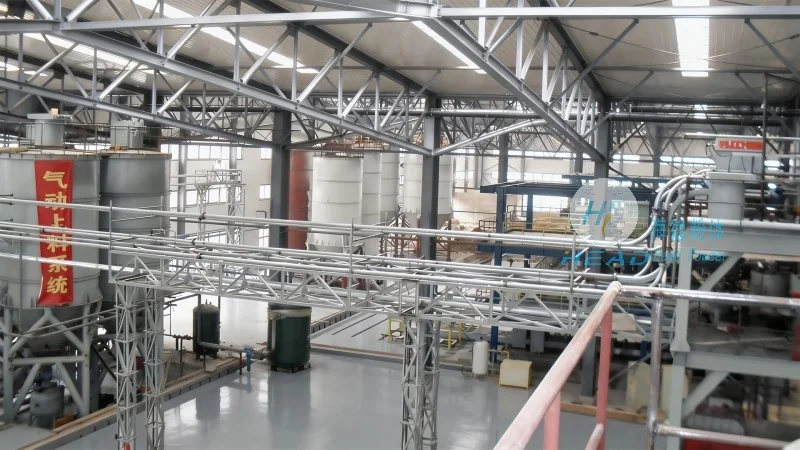
Structural Components of Wheat Bran Pneumatic Conveying Systems
A typical wheat bran pneumatic conveying system consists of several core components that work in tandem to achieve efficient material transport. The main parts include the material feed hopper, the air compressor or blower, the conveying pipeline, the dust separator, and the material discharge outlet. The feed hopper is designed to hold the wheat bran and control the flow rate into the system. The air compressor generates the necessary air pressure to move the material through the pipeline. The conveying pipeline, often made of metal or plastic, carries the mixture of air and wheat bran. The dust separator, such as a cyclone or bag filter, separates the wheat bran from the air, ensuring that the material is collected in a clean and dry state. The discharge outlet allows the wheat bran to be released into the next processing stage. Each component plays a vital role in the overall performance of the system, and proper design and maintenance are essential for reliable operation.
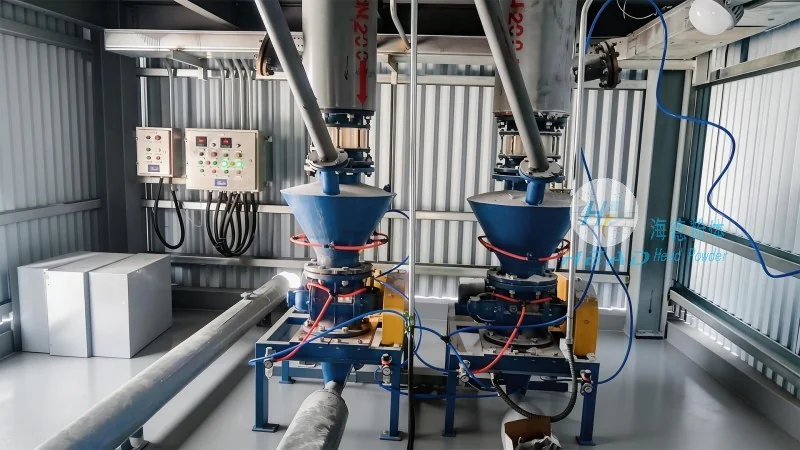
Working Principle of Wheat Bran Pneumatic Conveying
The working principle of wheat bran pneumatic conveying involves the use of air to create a flow that carries the wheat bran particles. There are two primary types of pneumatic conveying systems: dilute-phase and dense-phase. Dilute-phase systems operate at higher air velocities, typically 20-30 meters per second, and are suitable for short to medium distances. In this system, the wheat bran is suspended in the air stream and transported through the pipeline. Dense-phase systems, on the other hand, operate at lower air velocities (5-15 meters per second) and use higher air volumes to push the material in a plug-like flow. This method is ideal for longer distances and can handle more material per unit of air. The process begins with the wheat bran being fed into the system from the hopper. The air compressor then supplies compressed air, which is introduced into the pipeline at the feed point. As the air flows through the pipeline, it picks up the wheat bran particles, creating a mixture that moves towards the discharge point. At the discharge end, the dust separator separates the wheat bran from the air, allowing the clean wheat bran to be collected. The separated air is then either recirculated back into the system or vented to the atmosphere, depending on the system design. The efficiency of the conveying process depends on factors such as air pressure, flow rate, and the characteristics of the wheat bran, including particle size, moisture content, and density.
Applications and Benefits in Wheat Processing
Wheat bran pneumatic conveying is widely used in various stages of wheat processing, from the initial milling of wheat to the final packaging of bran products. In the milling process, after the wheat is ground into flour, the bran is separated and collected. Pneumatic conveying systems are used to transport the bran from the milling machine to storage silos or to other processing units, such as for the production of bran-based products like bran flakes or bran oil. The benefits of using pneumatic conveying in these applications include reduced contamination risk, as the system operates in a closed environment, and improved product quality due to the prevention of moisture absorption or oxidation. Additionally, the system can handle large volumes of wheat bran, making it suitable for high-capacity production lines. For businesses in the food industry, especially those producing wheat bran-based products, the use of pneumatic conveying ensures consistent quality and compliance with food safety standards. The technology also contributes to energy efficiency by minimizing the need for manual handling and reducing the wear on mechanical components.
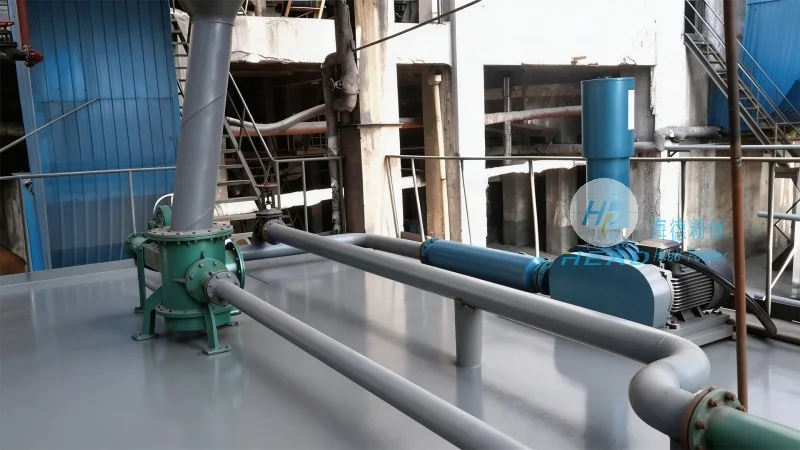
Company Profile: Shandong HeadPowder Engineering Co., Ltd.
Shandong HeadPowder Engineering Co., Ltd., operating under the brand name headpowder, is a leading manufacturer of pneumatic conveying systems and related equipment for the grain processing industry. With its headquarters in Shandong, China, the company specializes in designing, manufacturing, and supplying customized solutions for handling bulk materials like wheat bran. The company has a team of experienced engineers and technicians who work closely with clients to understand their specific needs and provide tailored solutions. HeadPowder's products are known for their high quality, durability, and efficiency, meeting the demands of modern wheat processing facilities. The company adheres to international standards and continuously invests in research and development to improve its products and stay ahead in the industry. By choosing headpowder's pneumatic conveying systems, businesses can enhance their production capabilities, reduce operational costs, and ensure the consistent quality of their wheat bran products.