

PPT Pellet Pneumatic Conveying: An Introduction to Its Structure and Working Principles
PP (Polypropylene) pellet pneumatic conveying systems are essential equipment in modern material handling and processing industries. These systems efficiently transport polypropylene pellets from one location to another using air as the conveying medium. Understanding the basic structure and operational principles of such systems is crucial for optimizing material flow, ensuring process efficiency, and maintaining product quality in various industrial applications.
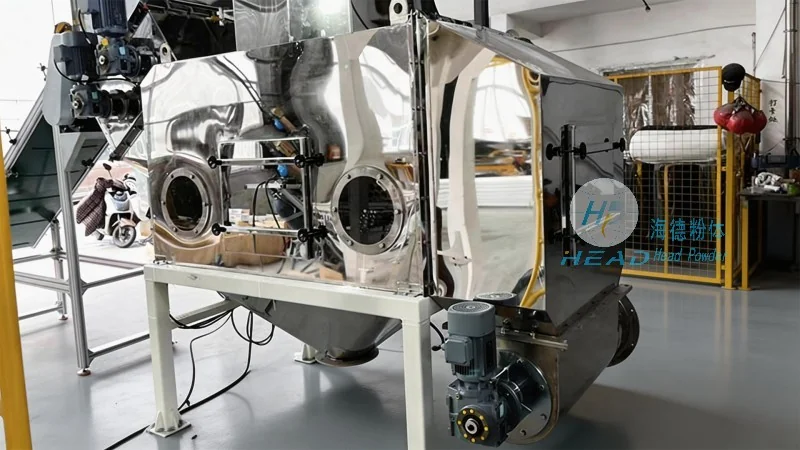
Key Components of PPT Pellet Pneumatic Conveying Systems
The core components of a typical PP pellet pneumatic conveying system include the hopper, feeder, conveying line, and receiver. The hopper serves as the storage container for the polypropylene pellets, providing a consistent feed to the system. The feeder, often a rotary valve or a screw feeder, regulates the flow of pellets into the conveying line, ensuring a controlled and steady material supply. The conveying line, which can be either a rigid pipe or a flexible hose, transports the pellets through the system using compressed air. The receiver is the final container where the conveyed pellets are deposited, completing the material transfer process.
Working Principle of PPT Pellet Pneumatic Conveying
The operation of a PP pellet pneumatic conveying system relies on the principle of air flow and pressure differentials. When the feeder introduces pellets into the conveying line, compressed air is introduced at a high velocity, creating a flow that lifts and transports the pellets. The air velocity must be sufficient to overcome the gravitational force and the friction between the pellets and the pipe walls. The system typically operates under either positive pressure (where air is forced into the line) or negative pressure (where air is drawn out of the line), depending on the specific design and application requirements. The choice between positive and negative pressure systems affects the system's performance, energy consumption, and suitability for different material characteristics and distances.
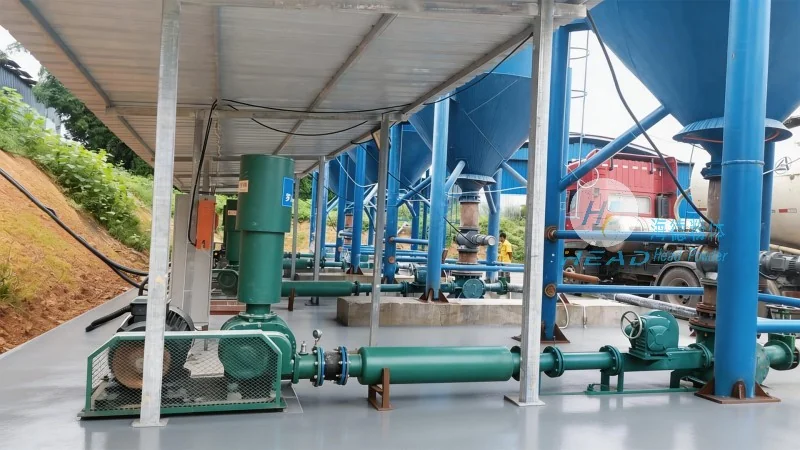
Advantages of Using PPT Pellet Pneumatic Conveying
Implementing a PP pellet pneumatic conveying system offers several advantages over traditional mechanical conveying methods. These include reduced equipment wear and tear, as there are no moving parts in direct contact with the pellets, minimizing the risk of product contamination and damage. The system also provides a clean and hygienic material transfer process, which is particularly important in food and pharmaceutical industries where product purity is critical. Additionally, pneumatic conveying systems can handle a wide range of particle sizes and shapes, making them versatile for various PP pellet applications. The ability to transport materials over long distances without the need for multiple transfer points or intermediate storage also enhances operational efficiency and reduces downtime.
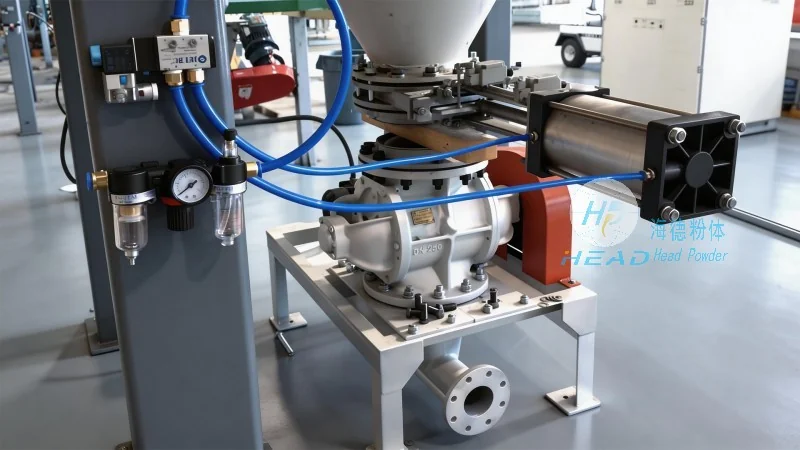
Applications in Industrial Settings
PP pellet pneumatic conveying systems are widely used in industries such as plastics manufacturing, chemical processing, and food processing. In plastics manufacturing, these systems efficiently transport PP pellets from storage silos to extrusion lines, ensuring a continuous supply of raw material for production. In chemical processing, they facilitate the transfer of PP pellets between processing stages, such as from drying to compounding. The systems are also employed in food processing facilities to convey PP pellets used in packaging materials, where maintaining product integrity and hygiene is paramount.
About Shandong HeadPowder Engineering Co., Ltd.
Shandong HeadPowder Engineering Co., Ltd., a leading provider of material handling solutions, specializes in designing and manufacturing high-quality PP pellet pneumatic conveying systems. With a strong commitment to innovation and customer satisfaction, the company has established itself as a trusted partner in the industry. HeadPowder's expertise lies in tailoring conveying systems to meet the specific needs of clients, ensuring optimal performance and reliability. The company's facilities are located in Shandong, China, where it leverages advanced technology and skilled engineering to deliver cutting-edge solutions for material handling challenges.