

Introduction to Straw Ash Pneumatic Conveying: Structure and Working Principle Explanation
Straw ash, a byproduct of biomass combustion processes, presents unique handling challenges due to its fine particle size and variable moisture content. Efficient and reliable transportation of straw ash from the combustion chamber to storage or processing facilities is crucial for maintaining operational efficiency and environmental compliance. Pneumatic conveying systems offer a viable solution for this application, leveraging air flow to transport the material through a network of pipes and components. This article provides an overview of the straw ash pneumatic conveying system, detailing its structural components and the underlying principles of operation.
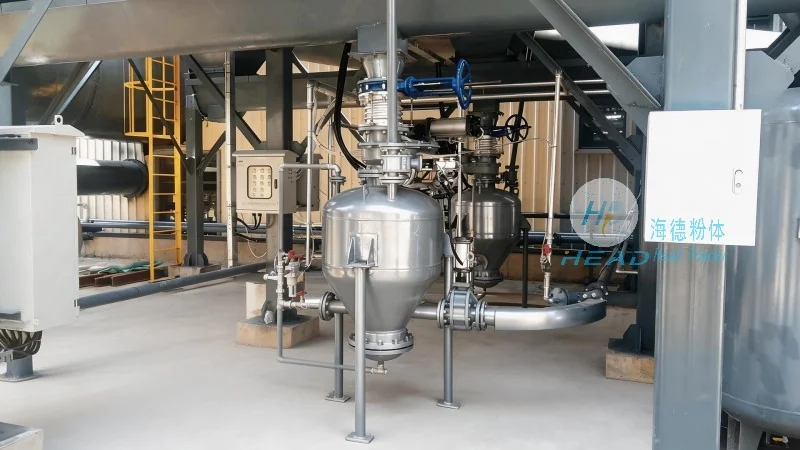
Key Structural Components of the Pneumatic Conveying System
The straw ash pneumatic conveying system from Shandong HeadPowder Engineering Co., Ltd. is designed with several critical components that work in tandem to ensure effective material transport. The primary components include the feed hopper, which holds the straw ash and provides a controlled discharge mechanism; the air compressor or blower, which generates the necessary air pressure to move the material; the conveying line, typically made of stainless steel or other corrosion-resistant materials to handle the abrasive nature of ash particles; and the collection hopper or silo, where the transported ash is deposited. Additionally, the system may incorporate components such as cyclone separators, filters, and pressure regulators to enhance performance and ensure the material is handled safely and efficiently.
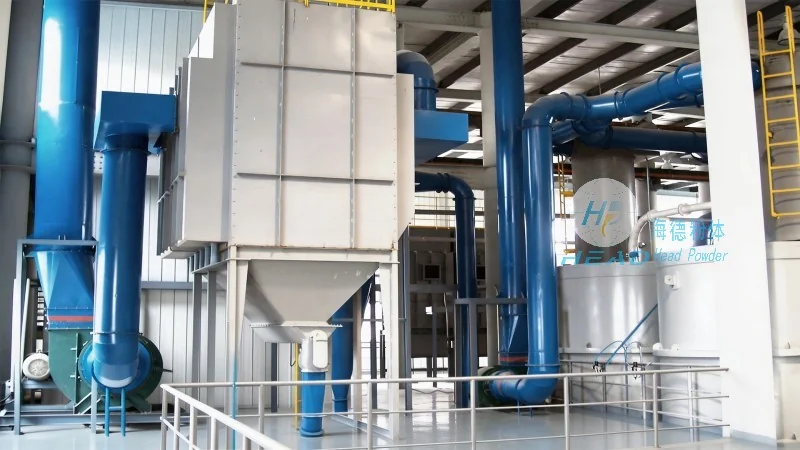
Working Principle of the Pneumatic Conveying System
The operation of the straw ash pneumatic conveying system is based on the principle of air suspension, where the ash particles are suspended in a stream of air and transported through the conveying line. The process begins with the ash being fed into the hopper, where it is then discharged into the conveying line under the influence of the air flow. The air compressor or blower creates a pressure differential between the inlet and outlet of the conveying line, causing the air to flow through the system and carry the ash particles along. As the ash travels through the line, it may encounter components such as cyclone separators, which separate the ash from the air stream and direct it to the collection hopper. The filtered air is then discharged back into the environment or recirculated, depending on the system design. The entire process is controlled by a series of valves, sensors, and control panels that monitor pressure, flow rate, and material level, ensuring optimal performance and preventing system failures.
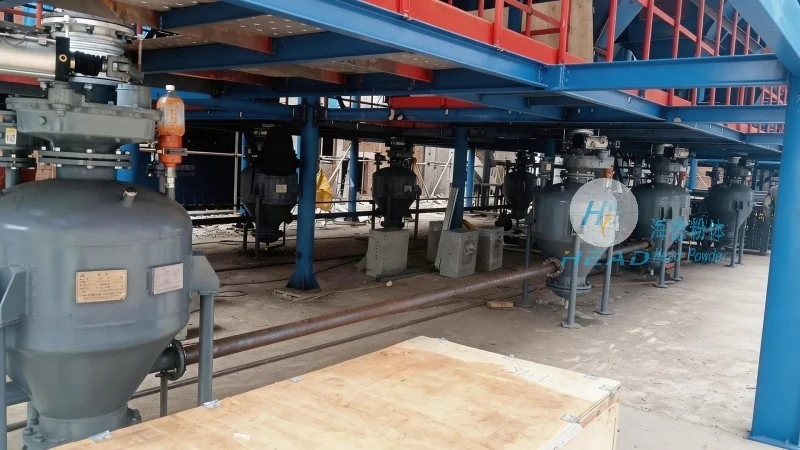
Advantages of Pneumatic Conveying for Straw Ash Handling
Compared to traditional methods such as belt conveyors or bucket elevators, pneumatic conveying offers several advantages for straw ash handling. These include the ability to transport ash over long distances with minimal maintenance, the reduction of dust emissions and environmental impact, and the flexibility to handle varying ash compositions and moisture levels. The system is also more compact and can be integrated into existing plant layouts, making it a suitable solution for both new and retrofit applications. Furthermore, the use of corrosion-resistant materials and advanced control systems ensures the longevity and reliability of the equipment, contributing to lower operational costs over time.
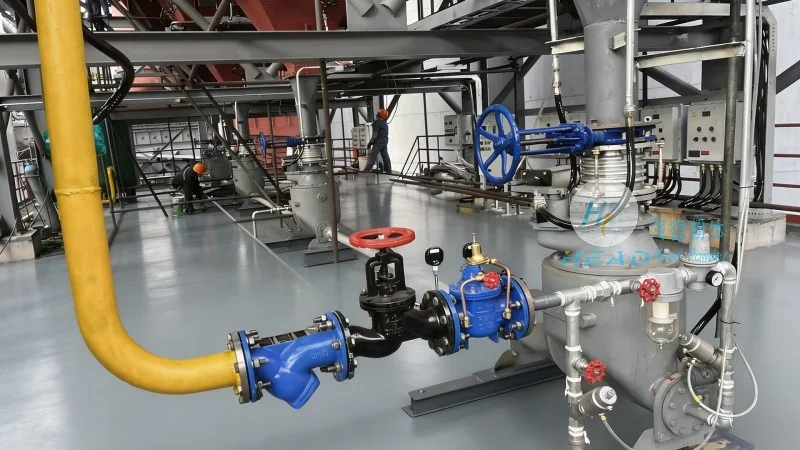
Application and Implementation Considerations
The straw ash pneumatic conveying system from Shandong HeadPowder Engineering Co., Ltd. is suitable for a wide range of applications, including power plants, biomass facilities, and waste-to-energy plants. The system can be customized to meet specific operational requirements, such as the required conveying distance, material flow rate, and environmental regulations. During the implementation phase, factors such as the ash's particle size distribution, moisture content, and corrosivity must be considered to select the appropriate equipment and system configuration. Proper installation and commissioning are also critical to ensure the system operates at peak efficiency and meets all safety and environmental standards.