

Introduction to Pneumatic Conveying of Magnesia Powder and Its Structural Principles
HeadPowder, a leading enterprise in the field of material handling technology, specializes in the design and implementation of pneumatic conveying systems tailored for magnesia powder. This article provides a comprehensive overview of the pneumatic conveying process for magnesia powder, detailing its structural components and operational principles to enhance understanding of this critical material transport method.
Magnesia powder, a widely used industrial material in applications such as refractory production, construction, and chemical processing, requires efficient and reliable handling to maintain product quality and operational efficiency. Pneumatic conveying offers a solution that minimizes material degradation, reduces contamination risks, and optimizes production flow compared to traditional mechanical conveying methods. The following sections explore the key aspects of magnesia powder pneumatic conveying, including system design, structural elements, and the underlying principles that ensure effective material transport.
Core Components of Pneumatic Conveying Systems for Magnesia Powder
The pneumatic conveying system for magnesia powder typically consists of several interconnected components that work in tandem to achieve efficient material transport. These components include the material feed hopper, air supply system, conveying line, and material discharge unit. Each component plays a crucial role in the overall functionality of the system.
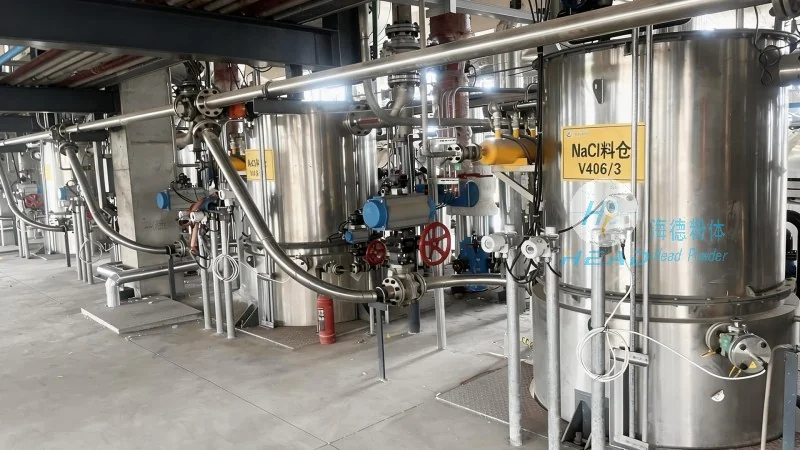
The material feed hopper is designed to store and meter the magnesia powder, ensuring a consistent flow rate into the conveying line. This hopper often incorporates a rotary valve or a feeder mechanism to control the discharge of powder, preventing blockages and maintaining a steady supply. The design of the hopper is critical to handle the specific properties of magnesia powder, such as its fine particle size and potential for static charge buildup, which can affect flow characteristics.
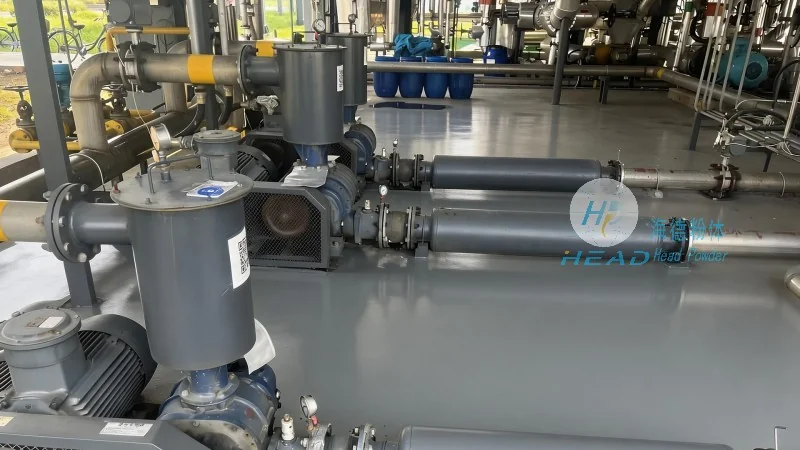
The air supply system is another vital component, responsible for generating the necessary airflow to move the powder particles through the conveying line. This system typically includes a blower or a compressor that provides the required pressure and volume of air. The choice of air supply equipment depends on the system's capacity, the distance the powder needs to travel, and the specific characteristics of the magnesia powder being conveyed. High-pressure or low-pressure systems are commonly used, each with its own advantages in terms of energy efficiency and material handling capabilities.
The conveying line itself is the central pathway for the magnesia powder and air mixture. It is usually constructed from materials that are resistant to corrosion and abrasion, such as stainless steel or special alloys, to withstand the abrasive nature of magnesia powder over extended periods. The line may include bends, elbows, or expansion joints to accommodate changes in direction or elevation, ensuring the smooth flow of the powder-air mixture without causing excessive pressure drops or material loss.
The material discharge unit is the final component of the system, responsible for delivering the magnesia powder to its destination. This unit may include a rotary valve, a filter, or a collection bin, depending on the application requirements. The discharge mechanism is designed to handle the fine particles of magnesia powder without causing clogging or spillage, ensuring a clean and efficient transfer of material.
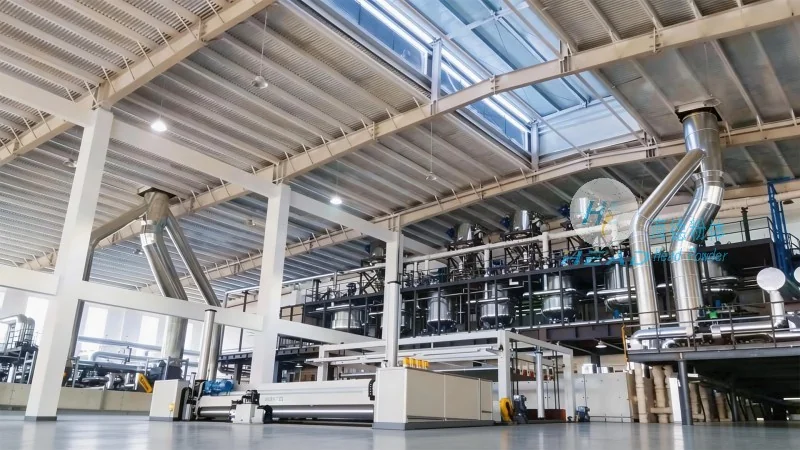
Structural Principles Underlying Pneumatic Conveying
The effectiveness of a pneumatic conveying system for magnesia powder is governed by several fundamental principles that govern the interaction between the powder particles and the air stream. These principles include the concept of particle suspension, where the air flow maintains the powder particles in a suspended state, preventing them from settling or clogging the conveying line. The velocity of the air in the conveying line must be sufficient to overcome the gravitational forces acting on the powder particles, ensuring that they remain entrained in the air stream.
Another key principle is the pressure drop across the system, which is a measure of the energy required to move the powder through the conveying line. The pressure drop is influenced by factors such as the length and diameter of the line, the number of bends, and the properties of the magnesia powder. Proper system design aims to minimize pressure drop while maintaining the necessary air velocity to keep the powder suspended, thereby optimizing energy efficiency and reducing operational costs.
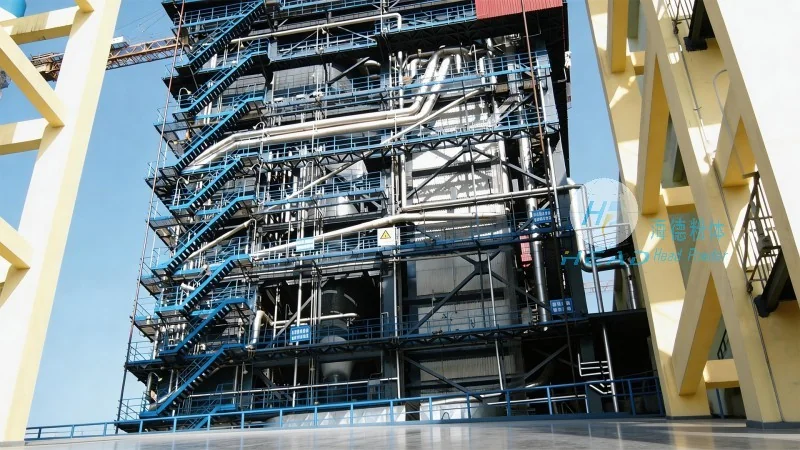
The concept of dilute-phase versus dense-phase conveying is also relevant to magnesia powder systems. Dilute-phase conveying operates at higher air velocities, resulting in a lower concentration of powder in the air stream, while dense-phase conveying uses lower air velocities and higher pressure to create a more concentrated powder-air mixture. The choice between these two modes depends on the specific application, with dilute-phase systems being more suitable for long-distance transport and dense-phase systems better for short-distance or high-volume transport.
In addition to these principles, the system must account for the potential for static electricity generation in the magnesia powder. Fine powders like magnesia are prone to generating static charges during handling, which can lead to material buildup or even fire hazards. Therefore, the design of the pneumatic conveying system includes measures to control static electricity, such as grounding the system components or using anti-static materials in the construction of the conveying line and equipment.
Applications and Benefits of Magnesia Powder Pneumatic Conveying
Pneumatic conveying systems for magnesia powder are widely used in various industrial applications where efficient material handling is critical. These systems are particularly advantageous in processes that require the transport of fine powders over short or long distances, such as in refractory manufacturing, where magnesia powder is used to produce high-temperature resistant materials. The ability to maintain the quality of the magnesia powder during transport, without causing agglomeration or degradation, is a significant benefit of pneumatic conveying.