

Introduction to Return Coke Powder Pneumatic Conveying: Structure and Principle Explanation
HeadPowder, as a professional engineering company based in Shandong, China, specializes in the design, manufacturing, and installation of advanced pneumatic conveying systems. This article provides an in-depth overview of return coke powder pneumatic conveying, focusing on its structural design and operational principles to help users understand the technology's core mechanisms and practical applications.
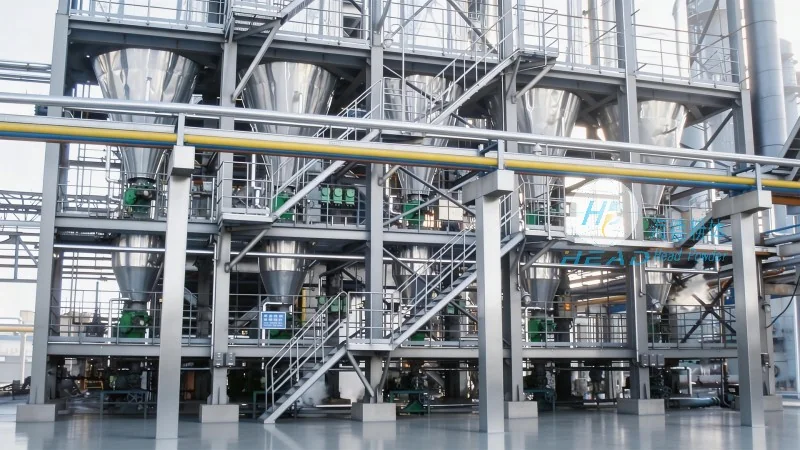
Company Profile: HeadPowder Engineering
HeadPowder Engineering Co., Ltd. is a leading enterprise in the field of material handling solutions, headquartered in Shandong, China. With years of experience in the industry, the company has developed a strong reputation for delivering high-quality, efficient, and reliable pneumatic conveying systems. The company's expertise lies in customizing solutions to meet diverse industrial needs, ensuring optimal performance and cost-effectiveness for clients across various sectors.
Overview of Return Coke Powder Pneumatic Conveying System
Return coke powder pneumatic conveying is a specialized method used to transport coke powder, a byproduct of the coking process, from one location to another within industrial facilities. This technology utilizes air as the conveying medium, enabling the efficient movement of fine, abrasive materials like coke powder through a network of pipes and components. The system is particularly valuable in coke production plants, where the need to recycle and transport coke powder efficiently is critical for operational productivity and material management.
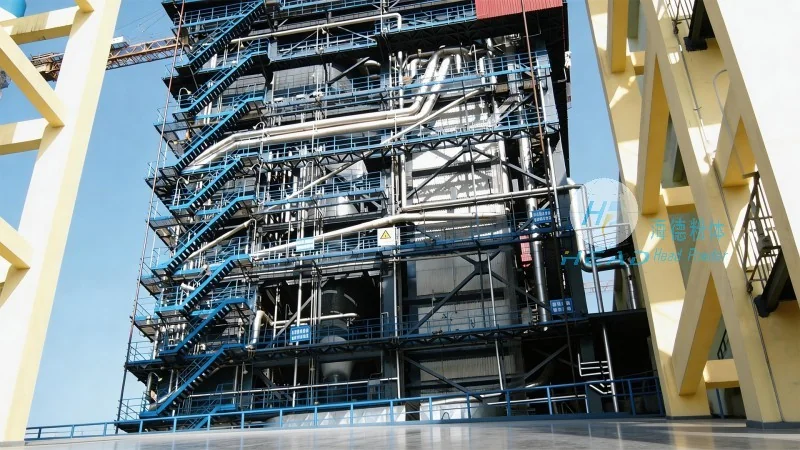
Detailed Structural Design of the Conveying System
The return coke powder pneumatic conveying system consists of several key components, each designed to work in harmony to ensure smooth material transport. The main structural elements include a feeding hopper, a rotary valve or feeder, a conveying pipeline network, a filter or separator unit, and a discharge hopper. The feeding hopper is responsible for storing and regulating the flow of coke powder into the system. The rotary valve or feeder controls the quantity of material entering the pipeline, preventing overloading and ensuring consistent air flow. The conveying pipeline, typically made of stainless steel or other corrosion-resistant materials, is designed to withstand the abrasive nature of coke powder and maintain air pressure efficiency. The filter or separator unit is crucial for removing any entrained particles from the air stream, protecting downstream equipment and ensuring clean air discharge. Finally, the discharge hopper collects the conveyed coke powder, ready for further processing or reuse.
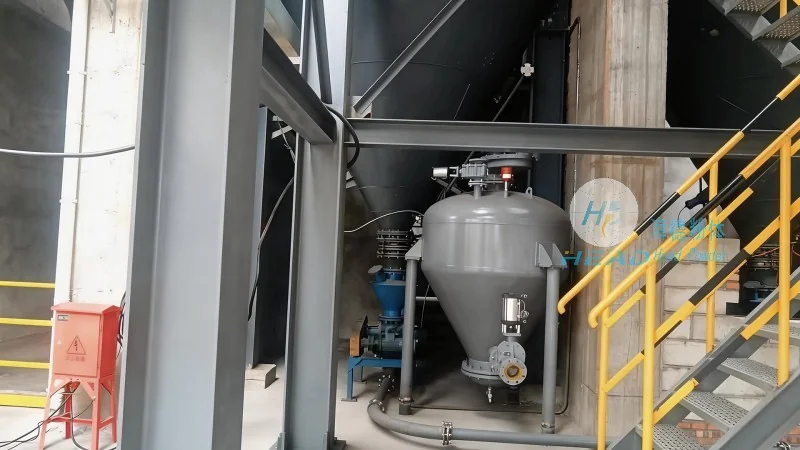
Operational Principle and Working Mechanism
The working principle of the return coke powder pneumatic conveying system is based on the use of compressed air to create a flow of material through the pipeline. When the rotary valve or feeder opens, coke powder is introduced into the pipeline along with the compressed air. The air, moving at a high velocity, entrains the powder particles and carries them through the system. The filter or separator unit then removes the powder from the air, allowing the clean air to be discharged back into the facility or to be recycled. The system operates under positive pressure, meaning the air pressure is higher than the ambient air pressure, which helps to maintain the flow of material and prevent backflow. The entire process is controlled by a system of valves, sensors, and control panels, which monitor and adjust the air pressure, material flow, and other parameters to ensure optimal performance.
Technical Advantages and Practical Applications
Return coke powder pneumatic conveying offers several technical advantages that make it an ideal solution for coke powder handling in industrial settings. One of the primary benefits is its ability to transport fine, abrasive materials over long distances without the need for mechanical components like belts or buckets, which can wear out quickly. The system is also highly efficient in terms of energy consumption, as the use of compressed air allows for the transport of large volumes of material with relatively low power input. Additionally, the system is easy to install and maintain, with modular components that can be replaced or upgraded as needed. Practical applications of this technology include the recycling of coke powder within coke production plants, the transport of coke powder to storage facilities, and the integration of the system with other material handling processes to enhance overall plant efficiency.