

Introduction to and Structural Principles of Weighing Feeding Pneumatic Conveying Systems
HeadPowder, a leading engineering company based in Shandong, China, specializes in the design, manufacturing, and integration of advanced weighing and feeding pneumatic conveying systems. This article provides an overview of the system's structure and operational principles, highlighting its key components and functional mechanisms.
Company Overview
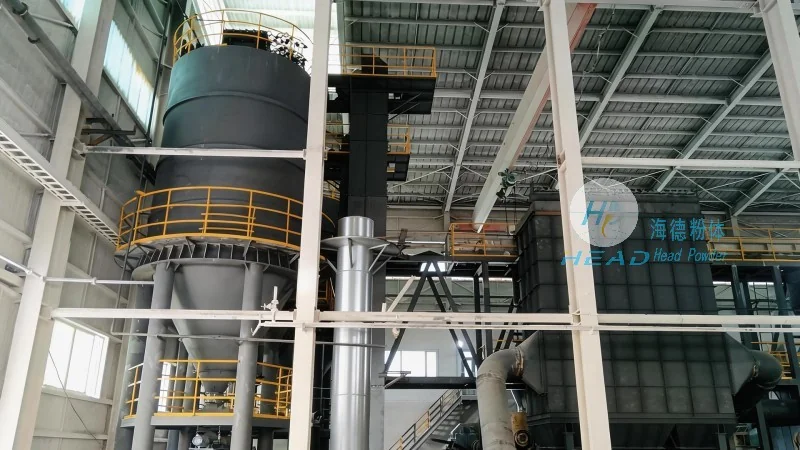
HeadPowder Engineering Co., Ltd. is a professional enterprise dedicated to the research, development, and production of pneumatic conveying equipment. With a strong focus on precision and efficiency, the company has established itself as a trusted provider in the industry. HeadPowder's headquarters is located in Shandong, China, where the company leverages local manufacturing capabilities and technical expertise to deliver high-quality solutions for various industrial applications.
Introduction to Weighing Feeding Pneumatic Conveying Systems
The weighing feeding pneumatic conveying system is a sophisticated piece of equipment designed to handle bulk materials in a controlled and efficient manner. It combines the functions of material weighing, feeding, and pneumatic transport, making it ideal for applications in industries such as food processing, pharmaceuticals, chemicals, and minerals. The system ensures accurate material measurement and consistent feeding rates, which are critical for maintaining product quality and process stability.
Key Components and Structural Design
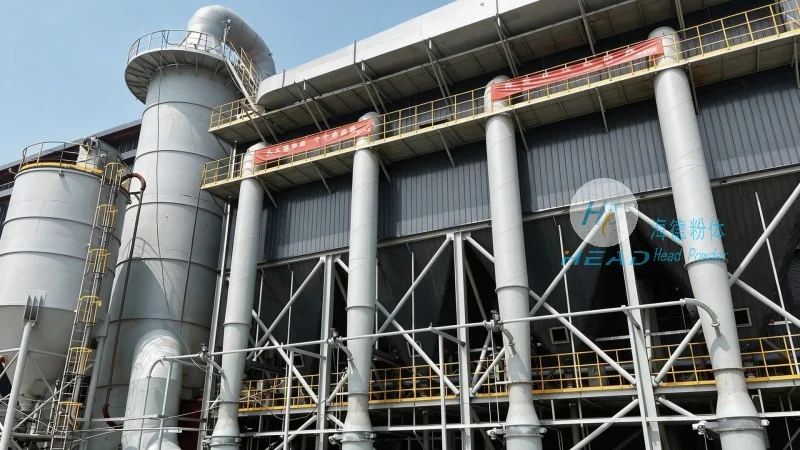
The system's structure comprises several essential components that work in harmony to achieve its operational goals. The primary components include a weighing hopper, a feeding mechanism, a pneumatic conveying line, and a control system. Each component is carefully designed to meet specific performance requirements and ensure reliable operation.
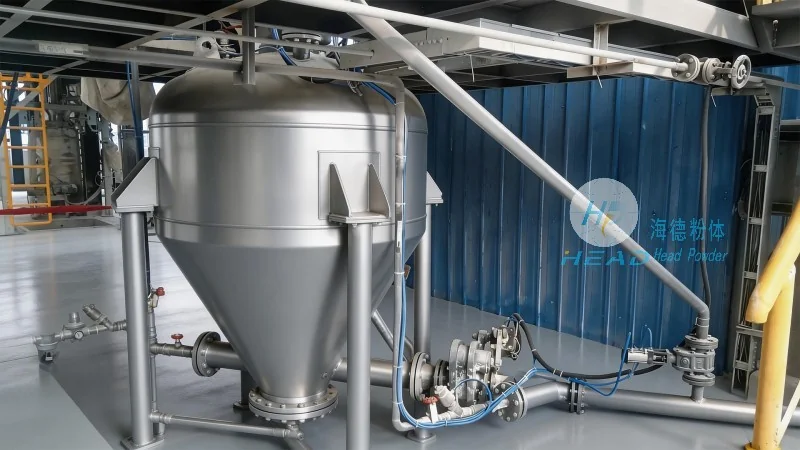
- Weighing Hopper: This is the container where bulk materials are stored and weighed. It is equipped with load cells to measure the material weight accurately. The hopper's design allows for easy material loading and unloading, and its dimensions are optimized to accommodate different material types and flow rates.
- Feeding Mechanism: The feeding mechanism, often a rotary valve or a screw feeder, regulates the flow of material from the weighing hopper into the pneumatic conveying line. It ensures a consistent and controlled feeding rate, which is crucial for maintaining the accuracy of the weighing process. The mechanism is designed to handle various material characteristics, including different particle sizes, densities, and flowabilities.
- Pneumatic Conveying Line: This component uses compressed air to transport the material from the feeding point to the discharge point. The line typically consists of a pipeline, a blower or compressor, and a series of fittings and valves. The design of the conveying line is critical to minimize material degradation and ensure efficient transport. Factors such as pipeline diameter, air velocity, and material properties are carefully considered to optimize the conveying process.
- Control System: The control system monitors and regulates the operation of all components in the system. It includes sensors, controllers, and software that manage the weighing, feeding, and conveying processes. The system provides real-time data on material weight, feeding rate, and conveying status, allowing operators to adjust parameters as needed to maintain optimal performance. Advanced control algorithms are used to ensure precise control and minimize errors.
Operational Principles and Working Mechanism
The operation of the weighing feeding pneumatic conveying system follows a sequential process that ensures accurate material handling. The system starts with material being loaded into the weighing hopper. The load cells measure the weight of the material, and this data is transmitted to the control system. The control system then calculates the required feeding rate based on the target weight and material flow characteristics.
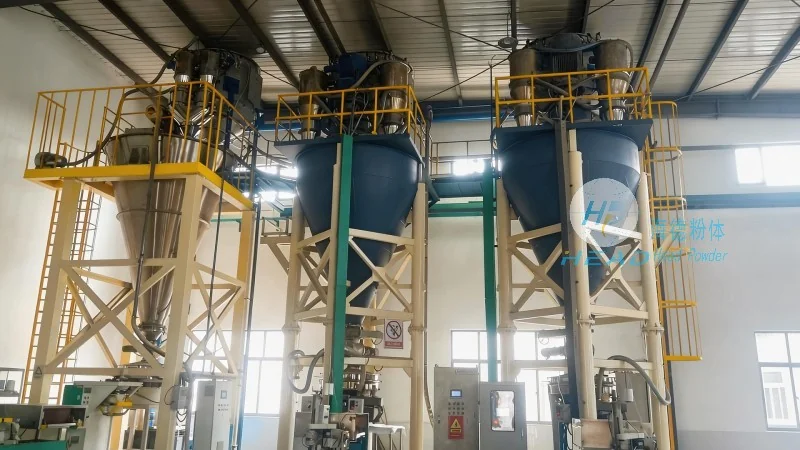
Once the target weight is reached, the feeding mechanism starts to discharge the material into the pneumatic conveying line. Simultaneously, the blower generates compressed air that propels the material through the pipeline. The material is transported to the discharge point, where it is collected in a receiving hopper or directly into a processing unit. The control system continuously monitors the process, adjusting the feeding rate and air pressure as needed to maintain the desired material flow and weighing accuracy.
Advantages and Applications
The weighing feeding pneumatic conveying system offers several advantages that make it a preferred choice for industrial applications. These include high accuracy in material measurement, consistent feeding rates, and efficient material transport. The system is also designed to minimize material degradation and contamination, which is essential for industries that require high-purity products. Additionally, the system's modular design allows for easy integration with existing production lines and flexibility in adapting to different material types and process requirements.
Common applications of the system include bulk material handling in food processing plants, where it is used to transport ingredients such as flour, sugar, and spices. In the pharmaceutical industry, the system is used to handle active pharmaceutical ingredients (APIs) and excipients with high precision and minimal risk of contamination. The chemical industry also utilizes the system for transporting raw materials and intermediates, ensuring accurate dosing and consistent product quality. In the minerals and mining sector, the system is used to convey ores and other bulk materials from storage to processing equipment.
Conclusion
HeadPowder Engineering Co., Ltd. provides comprehensive solutions for weighing feeding pneumatic conveying systems, combining advanced technology with expert engineering. The system's robust design and precise control mechanisms ensure reliable operation and high performance in various industrial applications. By leveraging the company's expertise and local manufacturing capabilities, HeadPowder delivers customized solutions that meet the specific needs of its clients. The weighing feeding pneumatic conveying system is an essential component in modern industrial processes, enabling efficient and accurate material handling while maintaining product quality and process stability.