

Introduction to Automatic Quantitative Pneumatic Conveying Systems: Structure and Principle of Opera
Automatic quantitative pneumatic conveying systems represent a sophisticated solution for material handling in various industrial sectors. These systems are designed to transport bulk materials efficiently and accurately, ensuring consistent flow rates and precise dosing. The technology integrates advanced engineering principles with robust mechanical components to achieve reliable performance in demanding operational environments.
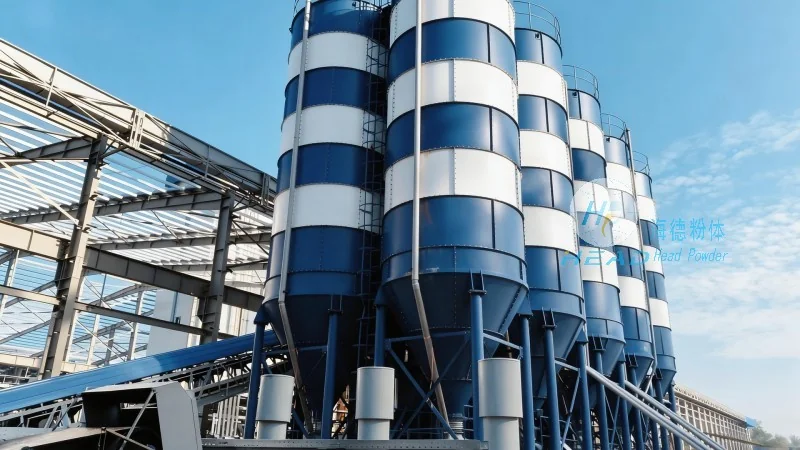
Key Components and Structural Design
The core structure of an automatic quantitative pneumatic conveying system comprises several critical components that work in concert to facilitate material transport. At the heart of the system is the pneumatic conveying pipeline, which is typically made from durable materials such as stainless steel or high-grade plastic to withstand the abrasive nature of bulk materials and maintain hygiene standards. The pipeline network includes inlet and outlet points, as well as intermediate sections equipped with valves and control mechanisms to regulate flow direction and pressure.
Complementing the pipeline is the air supply system, which generates the necessary pressure and volume of air to propel the material. This system usually consists of a blower or compressor, air filters, and pressure regulators to ensure stable and clean air delivery. The air source is connected to the pipeline via a manifold or distribution block, allowing for controlled air distribution to different sections of the conveying line.
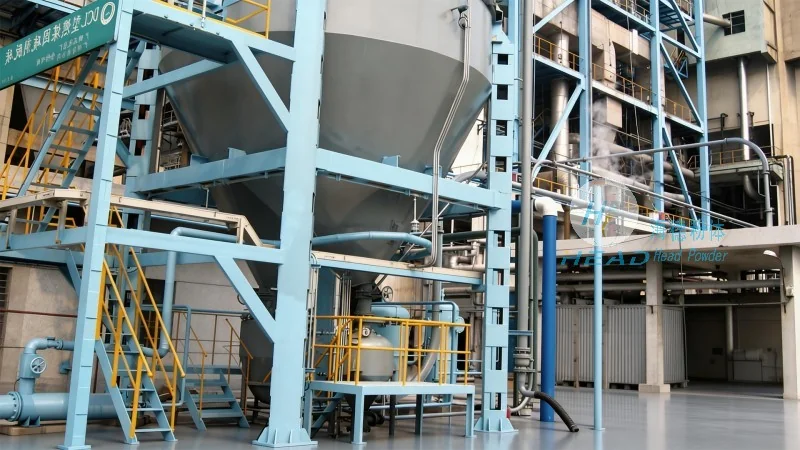
A critical component for quantitative control is the dosing unit, which may include a rotary valve, a metering pump, or a variable-speed feeder. These devices are integrated with sensors and control logic to measure and adjust the material flow rate in real-time. The dosing unit is often positioned at the inlet of the conveying pipeline or at a specific point along the line where precise metering is required. In some designs, a hopper or silo is used to store the material before it is fed into the system, ensuring a continuous supply and preventing material bridging or clogging.
Principle of Operation
The fundamental principle of pneumatic conveying involves the use of compressed air to create a flow of material through the pipeline. As air is introduced into the conveying line, it creates a low-pressure zone that draws the material particles into the stream. The material is then carried along the pipeline by the air flow, with the velocity and pressure of the air determining the conveying capacity and efficiency. In quantitative systems, the air flow rate is precisely controlled to maintain a consistent material velocity, ensuring that the desired flow rate is achieved without overloading the system.
The system operates on a closed-loop control mechanism, where sensors continuously monitor parameters such as pressure, flow rate, and material level. These data points are fed into a control unit, which adjusts the air supply and dosing mechanisms to maintain the set quantitative parameters. For example, if the material flow rate deviates from the target, the control system will automatically increase or decrease the air pressure or adjust the feeder speed to bring the flow back to the desired level. This closed-loop control ensures high accuracy and repeatability in material dosing, minimizing errors and waste.
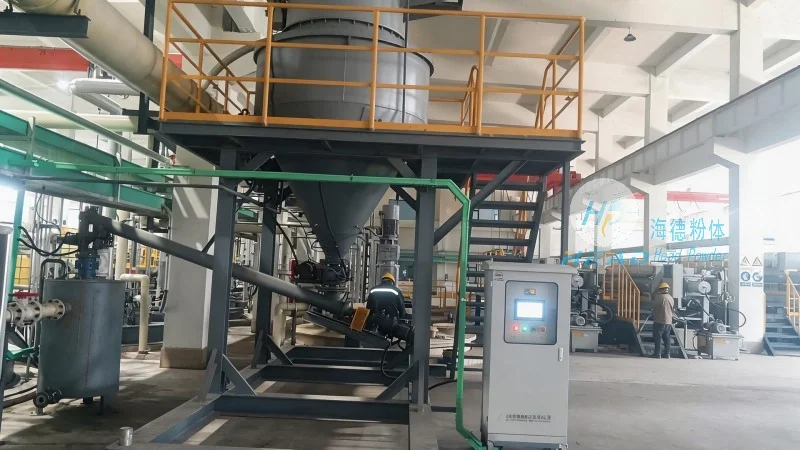
About Shandong HeadPowder Engineering Co., Ltd.
Shandong HeadPowder Engineering Co., Ltd., commonly known as headpowder, is a leading manufacturer and supplier of advanced material handling solutions, including automatic quantitative pneumatic conveying systems. The company is headquartered in Shandong, China, and has established a strong reputation for delivering high-quality, reliable equipment tailored to the specific needs of various industries. With a focus on innovation and customer satisfaction, headpowder provides comprehensive services from system design and installation to maintenance and technical support.
HeadPowder Engineering Co., Ltd. specializes in customizing pneumatic conveying systems to meet the unique requirements of clients across sectors such as food processing, pharmaceuticals, chemicals, and mining. The company's team of experienced engineers and technicians leverages cutting-edge technology and rigorous quality control processes to ensure that each system meets or exceeds industry standards. By combining expertise in material science, fluid dynamics, and mechanical engineering, headpowder delivers solutions that enhance operational efficiency, reduce downtime, and improve overall productivity for its clients.