

Design Calculation and Equipment Selection for Quartz Sand Particle Pneumatic Conveying
Quartz sand, a widely used industrial material, often requires efficient and reliable transportation methods for processing and application. Pneumatic conveying systems offer a solution by utilizing air to transport particles, providing advantages such as reduced contamination, improved safety, and flexibility in layout. This article focuses on the design calculation and equipment selection for quartz sand particle pneumatic conveying, ensuring optimal performance and cost-effectiveness.
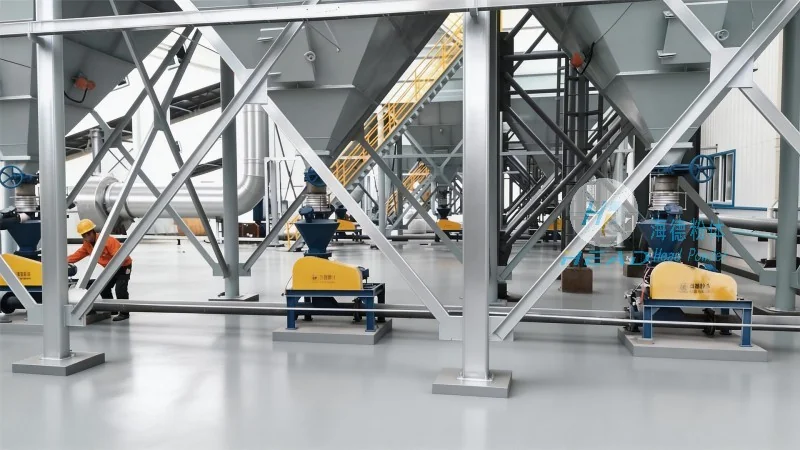
Company Profile and Expertise
HeadPowder, a leading engineering company based in Shandong, China, specializes in the design and implementation of pneumatic conveying systems. With years of experience in the field, HeadPowder has developed a comprehensive approach to address the unique challenges of quartz sand transportation. The company’s team of engineers and technicians leverages advanced technology and industry best practices to deliver tailored solutions that meet the specific needs of clients.
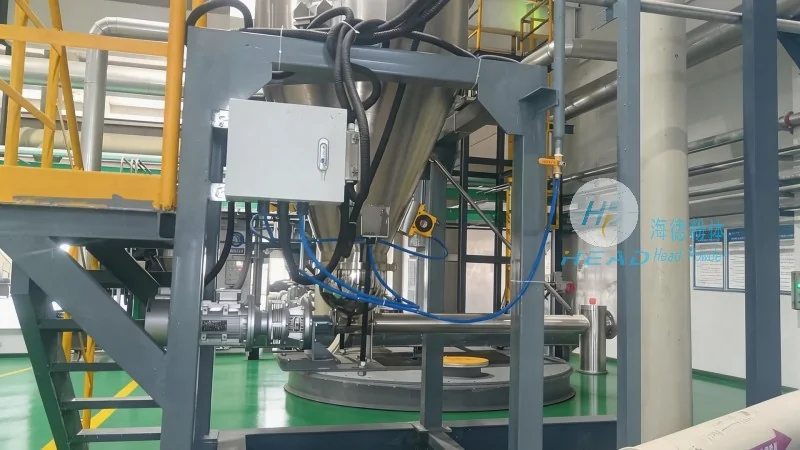
Design Considerations for Quartz Sand Pneumatic Conveying
The design of a quartz sand pneumatic conveying system involves several critical factors that must be carefully evaluated to ensure system efficiency and longevity. Key considerations include particle size distribution, density, and flow characteristics of the quartz sand. These properties directly impact the selection of air velocity, pressure, and system configuration. Additionally, the system must account for the potential for dust generation and the need for proper filtration and dust collection to maintain environmental compliance and operational safety.
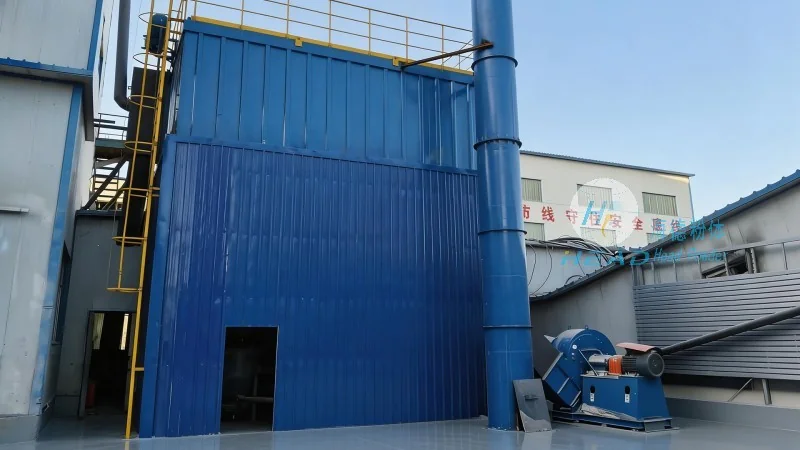
Equipment Selection for Quartz Sand Pneumatic Conveying
Choosing the appropriate equipment is crucial for the successful operation of a quartz sand pneumatic conveying system. The primary components include the conveying line, air source, and material handling devices. For quartz sand, which is typically abrasive and abrasive in nature, the selection of materials for the conveying line and components is paramount. High-quality materials, such as stainless steel or specialized alloys, are recommended to withstand the wear and tear caused by the particles. The air source, often a blower or compressor, must be capable of delivering sufficient air volume and pressure to maintain consistent flow rates. Additionally, accessories like filters, cyclones, and silos are essential for maintaining system performance and preventing material buildup.
System Integration and Optimization
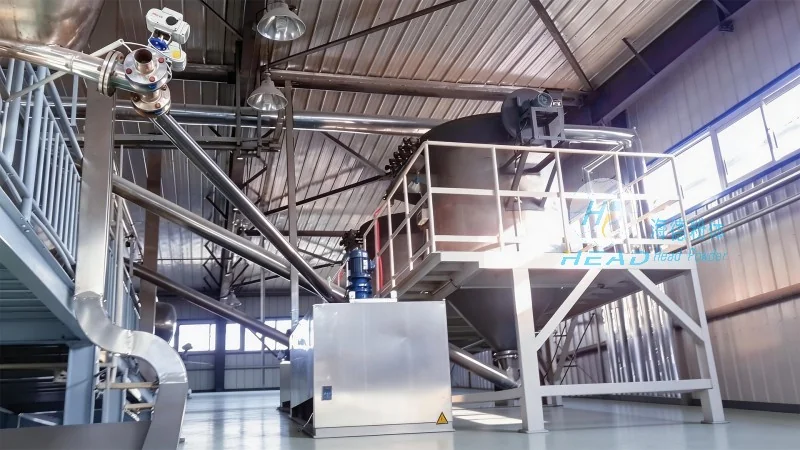
Effective integration of all components is essential to achieve optimal performance in quartz sand pneumatic conveying systems. This involves coordinating the air flow, particle flow, and control mechanisms to ensure smooth operation. HeadPowder employs advanced simulation tools and field testing to optimize system parameters, such as air velocity and pressure, to minimize energy consumption and maximize conveying efficiency. Regular maintenance and monitoring are also critical to prevent system failures and ensure long-term reliability.
Conclusion
Designing and selecting the right equipment for quartz sand particle pneumatic conveying requires a thorough understanding of the material properties and system requirements. By leveraging the expertise of companies like HeadPowder, and following a systematic approach to design and optimization, industries can achieve efficient, reliable, and cost-effective transportation of quartz sand. The combination of proper engineering calculations and high-quality equipment ensures that pneumatic conveying systems remain a preferred method for handling quartz sand in various industrial applications.