

Design Considerations for Wheat Bran Pneumatic Conveying Systems
Wheat bran pneumatic conveying systems are essential in the processing and handling of wheat bran, a byproduct of wheat milling. These systems efficiently transport bran from storage silos or processing units to downstream equipment such as mixers, dryers, or packaging machines. The design of an effective wheat bran pneumatic conveying system requires careful consideration of several key factors to ensure optimal performance, reliability, and cost-efficiency. This article outlines the critical design considerations for such systems, providing insights into the technical and practical aspects that engineers and facility managers should evaluate.
Understanding the Basics of Pneumatic Conveying
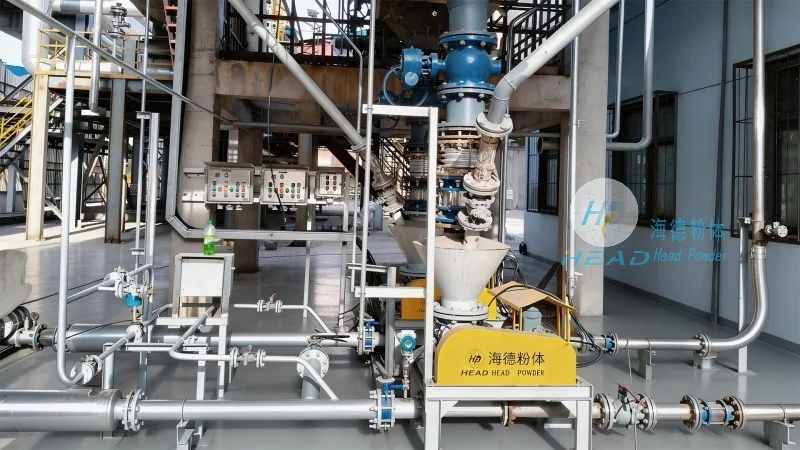
Pneumatic conveying systems use air or other gases to transport bulk materials like wheat bran through a pipeline. There are two primary types: dilute-phase and dense-phase systems. Dilute-phase systems, which are more common for wheat bran, use high-velocity air to suspend the material in the air stream, allowing it to travel through the pipeline. Dense-phase systems, on the other hand, use lower air velocities and higher material concentrations, which can be beneficial for handling delicate or abrasive materials. The choice between these systems depends on the specific characteristics of the wheat bran, including its moisture content, particle size, and flowability.
Key Design Considerations for Wheat Bran Pneumatic Conveying
Several critical factors must be addressed during the design of a wheat bran pneumatic conveying system. First, the system's capacity and flow rate must be matched to the production requirements. This involves calculating the required air volume and pressure to achieve the desired material throughput. Second, the pipeline layout and dimensions are crucial. The diameter and length of the pipeline, along with the number of bends and fittings, affect the system's pressure drop and overall efficiency. Properly sized pipelines and minimal fittings reduce energy consumption and prevent material buildup or blockages. Third, the selection of the air compressor and blower is vital. High-efficiency, low-noise compressors are preferred to minimize operational costs and environmental impact. The compressor's capacity should be sufficient to maintain the required air pressure throughout the system, especially when dealing with long or complex pipeline configurations.
Material Handling and Equipment Selection
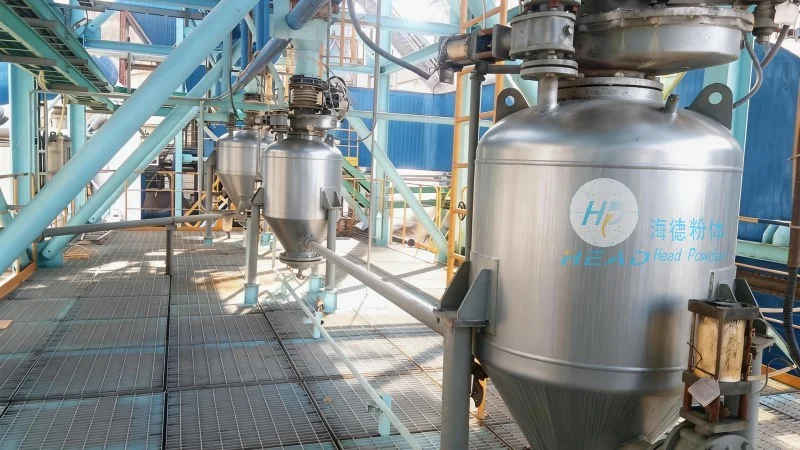
The design of the wheat bran pneumatic conveying system also involves selecting appropriate equipment for material handling. The inlet and outlet components, such as rotary valves or feeders, must be chosen to handle the bran's characteristics. Rotary valves are commonly used for their ability to control the flow rate and prevent air leakage. The material's moisture content and particle size affect the selection of these components, as excessive moisture can cause clogging or corrosion, while large particles may require larger inlet openings to prevent blockages. Additionally, the system's cleaning and maintenance procedures should be considered. Regular cleaning of the pipeline and equipment is essential to prevent material buildup and ensure long-term system performance. The use of cleaning tools, such as air guns or mechanical scrapers, should be planned into the system's design to facilitate maintenance.
System Integration and Control
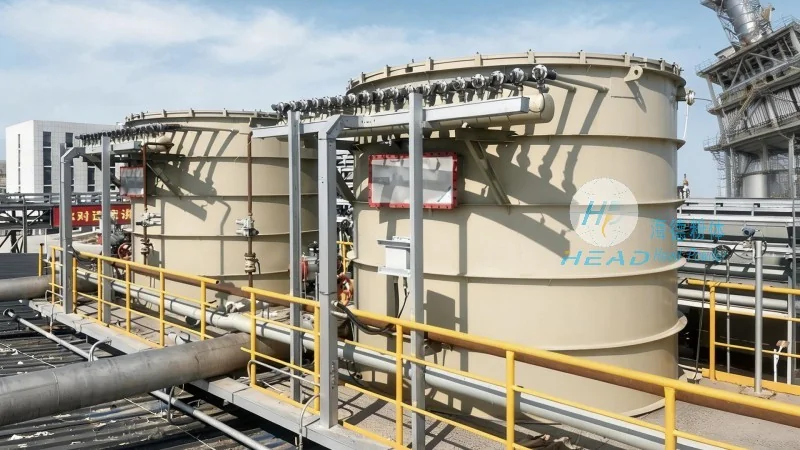
Integrating the wheat bran pneumatic conveying system with other processing equipment is another important design consideration. The system must be compatible with the downstream equipment, such as mixers or dryers, to ensure smooth material transfer. The control system, which regulates the air flow, pressure, and material feed, should be user-friendly and capable of monitoring system performance in real-time. This allows operators to detect and address issues promptly, such as pressure drops or material blockages, before they cause significant downtime. The control system may include sensors for air pressure, material flow, and temperature, providing data for process optimization and troubleshooting.
Environmental and Safety Considerations
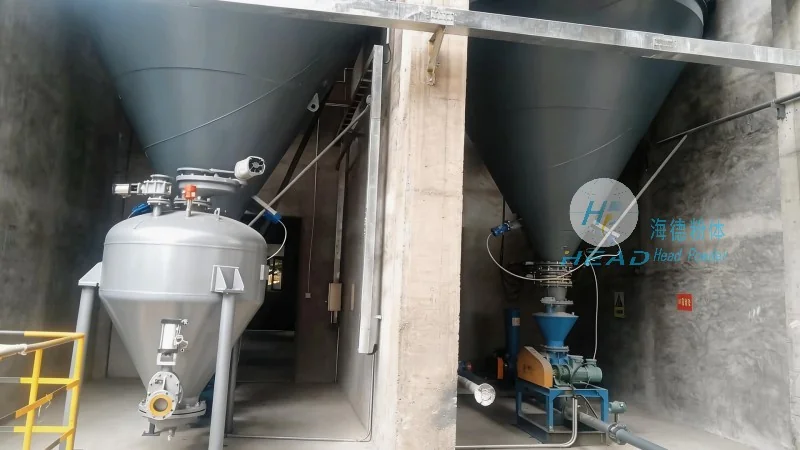
Environmental and safety factors are critical in the design of any industrial system, including wheat bran pneumatic conveying systems. The system should be designed to minimize dust emissions and noise pollution. Dust collection systems, such as cyclones or baghouses, may be required to capture airborne bran particles and prevent environmental contamination. Additionally, the system should comply with safety regulations to protect operators from hazards like high-pressure air or moving parts. Proper guarding of equipment and emergency shut-off mechanisms are essential to ensure workplace safety. The design should also consider the impact of the system on the surrounding environment, including noise levels and air quality, to meet local regulations and maintain a positive relationship with the community.
Case Study: A Successful Wheat Bran Pneumatic Conveying System by HeadPowder
Shandong HeadPowder Engineering Co., Ltd., a leading provider of industrial conveying solutions, has successfully designed and implemented numerous wheat bran pneumatic conveying systems. One such project involved a large-scale wheat milling facility in China, where the company designed a dilute-phase system to transport wheat bran from storage silos to a downstream dryer. The system was engineered to handle 100 tons of bran per hour, with a pipeline length of 500 meters and multiple bends. The design incorporated high-efficiency air compressors, properly sized pipelines, and rotary valves to control the flow rate. The system has been in operation for over two years, achieving high throughput and low maintenance costs. The success of this project highlights the importance of considering all design factors, from material characteristics to system integration, to ensure optimal performance.