

Design Considerations for Sesame Pneumatic Conveying Systems
When designing a pneumatic conveying system for sesame processing, several critical factors must be considered to ensure efficiency, reliability, and longevity. The system's performance is directly linked to how well these design elements are integrated. This article outlines key considerations that professionals in the industry should address when planning a sesame pneumatic conveying solution, with insights from Shandong HeadPowder Engineering Co., Ltd., a leading provider of engineering solutions for material handling systems.
Material Characteristics and System Compatibility
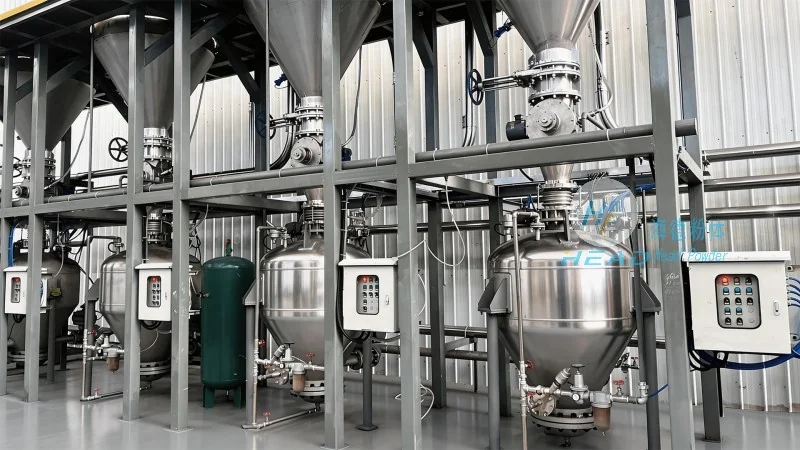
Sesame is a unique material with distinct physical properties that influence the choice of conveying system. Its density, particle size distribution, and moisture content are all critical variables. For instance, sesame particles are relatively small and can be prone to caking or bridging in traditional gravity or mechanical systems. Pneumatic conveying, particularly with positive pressure systems, offers a solution by using air to transport the material through pipelines. The system must be designed to handle these characteristics without causing blockages or excessive wear on components. This includes selecting appropriate air velocities, pipeline diameters, and filter systems to maintain consistent flow and prevent material degradation. The abrasive nature of sesame also requires components made from durable materials like stainless steel to minimize wear and extend service life.
System Sizing and Airflow Management
Accurate system sizing is paramount for optimal performance. The airflow rate must be sufficient to move the sesame particles through the system without causing excessive pressure drops or energy consumption. Engineers typically use empirical formulas or computational fluid dynamics (CFD) simulations to determine the required air velocity and volume. For sesame, a typical air velocity range is between 20 to 30 meters per second in the pipeline, depending on the system configuration. The pipeline diameter is also a critical parameter; larger diameters reduce pressure losses but increase material handling costs. A balance must be struck to ensure efficient transport while minimizing operational expenses. Proper airflow management also involves incorporating pressure relief valves and surge tanks to handle fluctuations in material feed rates and system demand. These components help maintain system stability and prevent damage from overpressure.
Component Selection and Material Compatibility
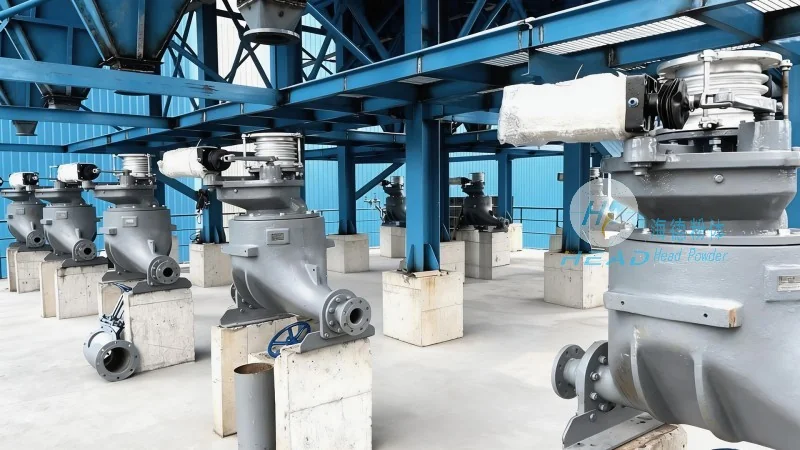
The selection of components is crucial for the longevity and efficiency of the system. Materials of construction must be compatible with sesame and the air used in the system. Common materials include stainless steel, which resists corrosion and wear from the sesame particles. The choice of valves, elbows, and other fittings is also important. For example, rotary air locks (or star valves) are commonly used at the discharge end to prevent backflow and maintain system pressure. These components must be designed to handle the abrasive nature of sesame and avoid clogging. Additionally, the filter system is a critical component, as it prevents sesame particles from entering the air compressor or downstream equipment. High-efficiency filters with regular cleaning mechanisms are recommended to maintain system performance and reduce maintenance downtime. Proper component selection ensures the system operates smoothly and reduces the risk of downtime due to component failure.
Energy Efficiency and Operational Costs
Energy consumption is a significant factor in the overall cost of operating a pneumatic conveying system. Designing for energy efficiency involves optimizing air velocity and system pressure. Higher air velocities increase energy use but may improve material flow. Conversely, lower velocities reduce energy costs but could lead to system inefficiencies or blockages. Engineers often use variable frequency drives (VFDs) to adjust the air compressor speed based on the material feed rate, ensuring that energy is used only when needed. This dynamic control helps reduce operational costs while maintaining system performance. Additionally, regular maintenance of the system, such as cleaning filters and checking for air leaks, is essential to prevent energy waste and extend the system's lifespan. A well-maintained system will have fewer breakdowns and lower repair costs, contributing to long-term cost savings.
Installation and Maintenance Considerations
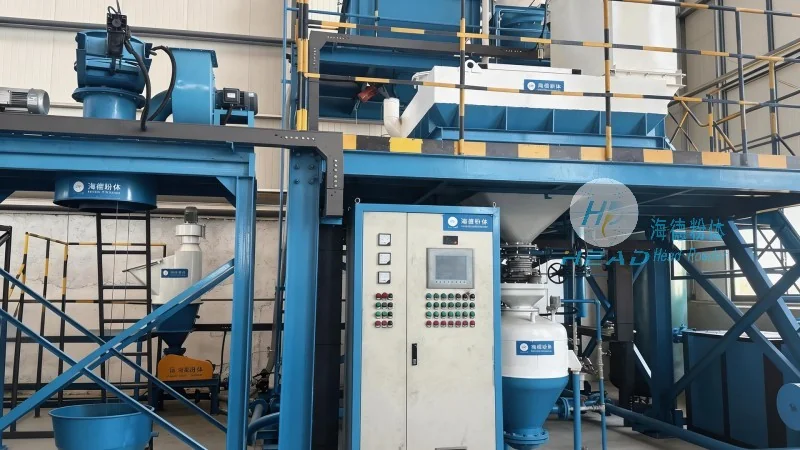
The installation process must be carefully planned to ensure the system operates as intended. Proper alignment of pipelines and components is necessary to avoid stress on the system and reduce the risk of leaks or blockages. The system should be installed with access points for maintenance, such as access panels on the filter housing and easy-to-reach valves. Regular maintenance is critical to the system's performance and longevity. This includes cleaning the filter system, inspecting components for wear, and checking for air leaks. A well-maintained system will have fewer breakdowns and lower repair costs. Additionally, training operators on the proper use and maintenance of the system is essential to ensure optimal performance and safety. Proper training helps prevent operational errors that could lead to system failures or safety hazards.
Conclusion
Designing a sesame pneumatic conveying system requires a comprehensive approach that considers material properties, system sizing, component selection, energy efficiency, and maintenance. By addressing these factors, engineers can create a system that is efficient, reliable, and cost-effective. The key is to balance performance with operational costs and ensure that the system is designed to handle the unique challenges of sesame processing. With proper planning and execution, a well-designed pneumatic conveying system can significantly improve the efficiency of sesame handling operations. The expertise of companies like Shandong HeadPowder Engineering Co., Ltd. is invaluable in ensuring that these systems are built to meet the specific needs of sesame processing facilities, providing long-term benefits and reliable performance.