

Design Considerations for Aggregate Pneumatic Conveying Systems
Aggregate pneumatic conveying systems are critical components in various industrial applications, facilitating the efficient and reliable transport of bulk materials such as sand, gravel, and other construction aggregates. These systems rely on air pressure or vacuum to move materials from one location to another, offering advantages like reduced equipment wear, minimal contamination, and the ability to handle materials in enclosed environments. For industries ranging from construction to mining, the proper design and implementation of these systems are paramount to ensure optimal performance, safety, and cost-effectiveness.
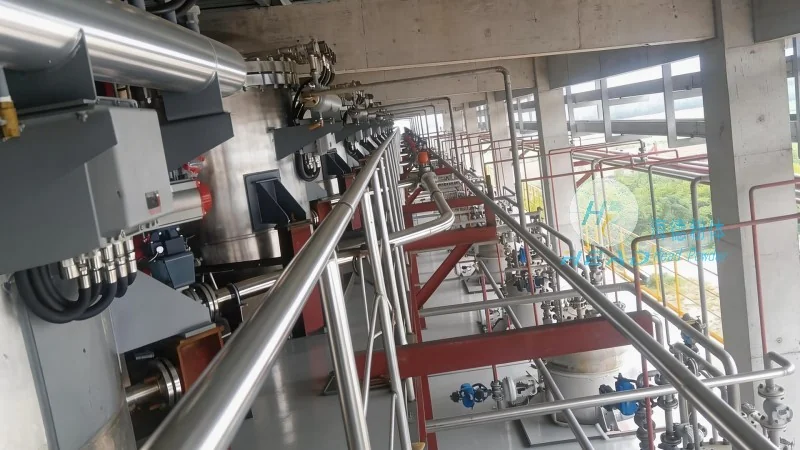
Key Design Considerations for Pneumatic Conveying Systems
When designing an aggregate pneumatic conveying system, several critical factors must be considered to ensure its efficiency and longevity. These considerations include material properties, system configuration, and operational parameters. Understanding the specific characteristics of the aggregate, such as particle size, density, and moisture content, is essential for selecting the appropriate conveying method—whether it be pressure or vacuum-based. The system configuration, including the layout of the pipeline, the placement of feeders and receivers, and the selection of components like blowers and filters, directly impacts the system's performance. Additionally, operational parameters like air velocity, pressure differentials, and flow rates must be carefully calculated to prevent issues like blockages or excessive energy consumption.
Material Properties and Their Impact on System Design
The physical and chemical properties of the aggregate play a significant role in the design of pneumatic conveying systems. For instance, the particle size distribution affects the air velocity required to maintain a stable flow, as smaller particles may require higher velocities to prevent settling. Similarly, the density and moisture content of the material influence the system's capacity and energy efficiency. High moisture content can lead to caking or blockages, necessitating the use of drying or conditioning equipment. Furthermore, abrasive materials may cause increased wear on components like pipes and valves, requiring the selection of durable materials such as stainless steel or special coatings. By carefully analyzing these material properties, engineers can tailor the system design to match the specific needs of the application, ensuring reliable operation and minimizing maintenance costs.
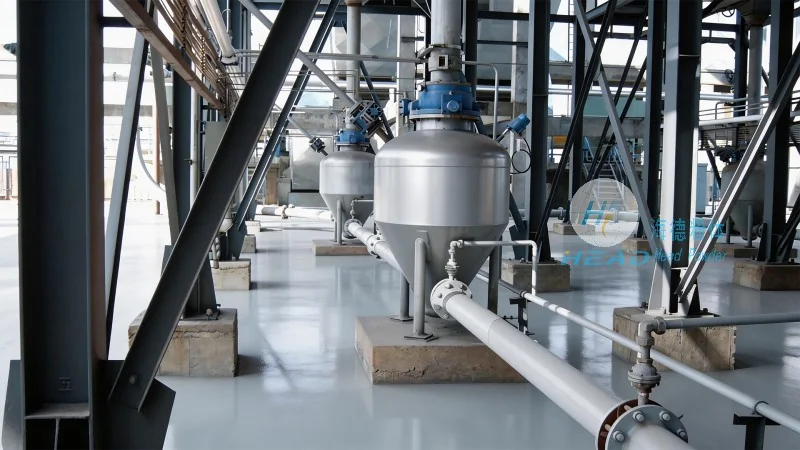
System Configuration and Component Selection
The configuration of the pneumatic conveying system, including the pipeline layout and the placement of key components, is a critical design consideration. The pipeline should be designed to minimize bends and changes in direction, as these can cause pressure losses and increase the risk of blockages. The use of appropriate fittings, such as elbows and tees, is essential to maintain smooth airflow and prevent turbulence. The selection of the blower or vacuum pump is another key decision, as it must provide sufficient pressure or vacuum to overcome the system's resistance while operating efficiently. Filters and dust collectors are also crucial components, as they help maintain air quality and prevent the accumulation of material in the system. The choice of filter media and the design of the dust collection system must be tailored to the specific characteristics of the aggregate, ensuring effective filtration and minimal maintenance. Additionally, the placement of feeders and receivers should be optimized to minimize material spillage and ensure smooth material transfer.
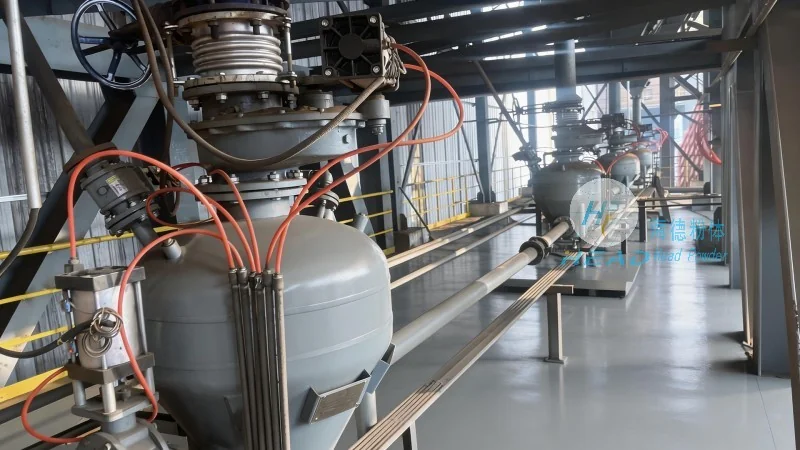
Operational Parameters and Performance Optimization
Optimizing operational parameters is essential for maximizing the efficiency of aggregate pneumatic conveying systems. Key parameters include air velocity, pressure differentials, and flow rates. Air velocity must be sufficient to maintain a stable suspension of the material but not so high as to cause excessive energy consumption or damage to the system components. The pressure differential between the inlet and outlet of the system should be carefully calculated to ensure the material is conveyed at the desired rate. Flow rates should be adjusted based on the material's properties and the system's capacity, avoiding overloading or underutilization. Regular monitoring of these parameters and the use of control systems can help maintain optimal performance and prevent issues such as blockages or pressure surges. Additionally, the system should be equipped with safety features such as pressure relief valves and emergency shutdown mechanisms to protect against potential hazards.
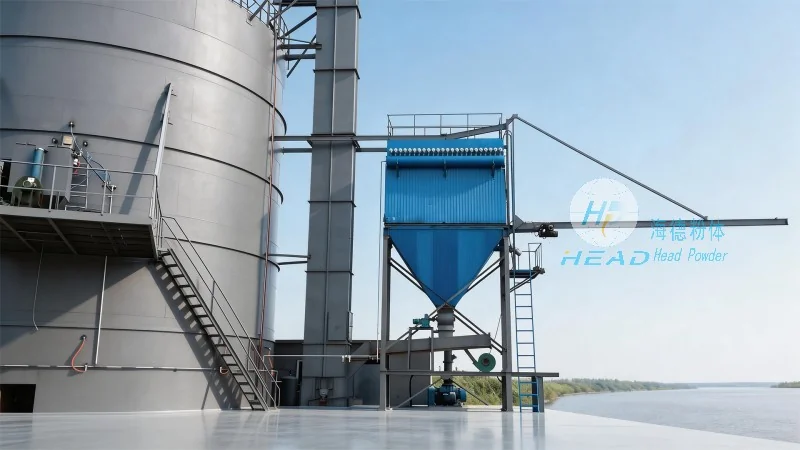
Case Study: Successful Implementation by Shandong HeadPowder Engineering Co., Ltd.
Shandong HeadPowder Engineering Co., Ltd., a leading provider of aggregate handling solutions, has successfully implemented numerous pneumatic conveying systems for various industrial applications. One notable project involved the design and installation of a pressure pneumatic conveying system for a construction aggregate plant in China. The system was designed to transport sand and gravel from a storage silo to a processing facility, with a capacity of 100 tons per hour. The design team at HeadPowder carefully analyzed the material properties, including particle size and moisture content, and selected a system configuration that minimized pressure losses and ensured smooth material flow. The use of high-quality components, such as stainless steel pipelines and efficient filters, contributed to the system's long-term reliability and low maintenance costs. The project was completed on time and within budget, with the system achieving its design capacity and operating efficiently for over two years. This success demonstrates the expertise and commitment of HeadPowder in providing tailored solutions for aggregate pneumatic conveying systems.
Conclusion: Ensuring Reliable and Efficient Operation
Designing an aggregate pneumatic conveying system requires a comprehensive approach that considers material properties, system configuration, and operational parameters. By carefully addressing these factors, engineers can ensure the system operates reliably, efficiently, and safely. The importance of selecting appropriate components, such as blowers, filters, and pipelines, cannot be overstated, as they directly impact the system's performance and longevity. Additionally, regular maintenance and monitoring are essential to prevent issues and extend the system's lifespan. For industries relying on bulk material transport, investing in a well-designed pneumatic conveying system is a critical step toward improving operational efficiency and reducing costs. With the expertise of companies like Shandong HeadPowder Engineering Co., Ltd., industries can achieve optimal performance and reliability in their aggregate handling operations.