

Design Considerations for Caustic Soda Pneumatic Conveying Systems
Caustic soda, also known as sodium hydroxide, is a widely used chemical in various industrial applications. The efficient and safe handling of caustic soda is crucial for industrial processes, and pneumatic conveying systems offer a reliable solution for transporting this material. This article outlines key design considerations for the development of effective caustic soda pneumatic conveying systems, emphasizing safety, efficiency, and system longevity.
About HeadPowder Engineering
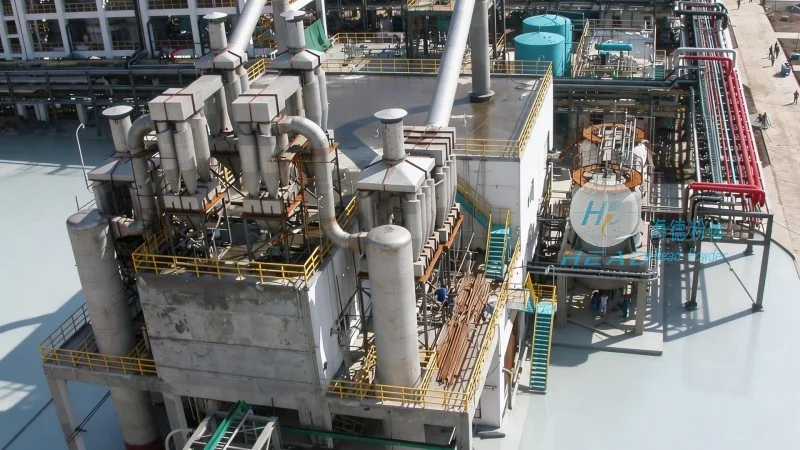
HeadPowder, a leading engineering firm based in Shandong, China, specializes in the design and implementation of chemical handling systems. With a strong focus on safety and performance, HeadPowder provides tailored solutions for industries requiring the transport of caustic soda and other hazardous materials. The company’s expertise in material handling engineering ensures that each system is optimized for the specific requirements of the client, whether for bulk processing, packaging, or storage.
System Selection and Material Compatibility
The first critical step in designing a caustic soda pneumatic conveying system is selecting the appropriate system type and ensuring material compatibility. Caustic soda is a highly corrosive substance, and the system components must be constructed from materials that can withstand its chemical properties. Stainless steel, particularly 316L, is commonly used for the construction of conveying lines, valves, and hoppers due to its resistance to corrosion and chemical attack. The choice between positive pressure and negative pressure systems depends on the specific application, including the distance to be covered, the required flow rate, and the need to minimize dust generation. Positive pressure systems are often preferred for long-distance or high-capacity applications, as they provide better control over material flow and can handle more challenging conveying conditions.
Pipeline Design and Sizing
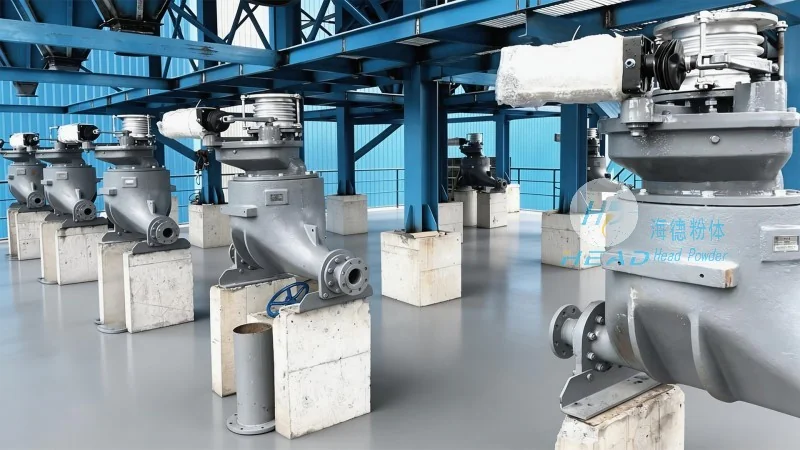
Proper pipeline design is essential for maintaining the efficiency and reliability of a pneumatic conveying system. The diameter of the conveying line must be selected based on the material’s bulk density, flow rate, and the system’s operating pressure. Oversized or undersized pipes can lead to excessive pressure drops, reduced flow rates, or even system blockages. For caustic soda, which has a relatively high bulk density, a larger pipe diameter may be required to ensure smooth material transport. Additionally, the pipeline should be designed with smooth, rounded transitions to prevent material buildup and reduce the risk of clogging. The use of flexible connectors and expansion joints is also important to accommodate thermal expansion and reduce stress on the system components.
Air Source and Pressure Control
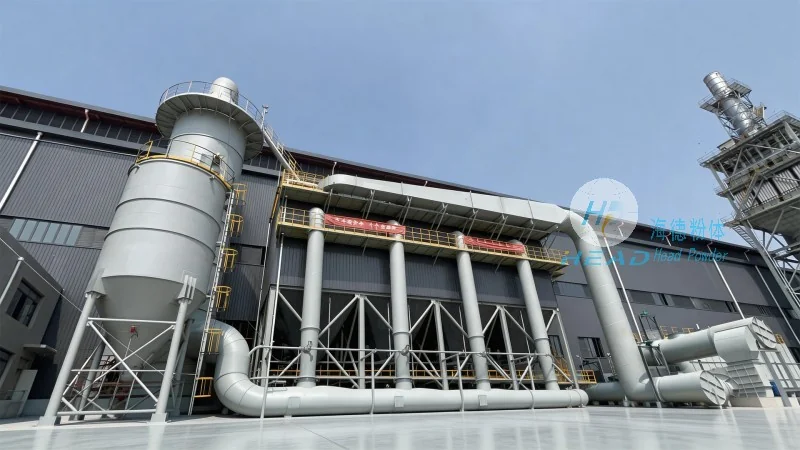
The air source is a critical component of any pneumatic conveying system, as it provides the necessary force to move the material through the pipeline. High-quality compressed air, free from contaminants such as oil, water, or particulates, is essential to prevent system corrosion and material contamination. The air compressor must be sized appropriately to meet the system’s air demand, considering factors such as the required pressure, flow rate, and the number of conveying cycles per hour. Pressure control is also vital to maintain consistent material flow and prevent excessive wear on system components. A pressure regulator and filter system should be installed to ensure stable air pressure and remove any impurities that could affect the system’s performance.
Safety Considerations
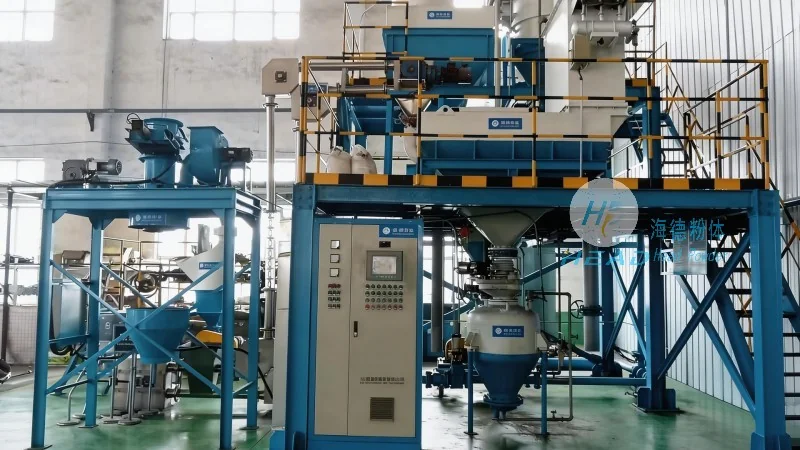
Due to the hazardous nature of caustic soda, safety is a top priority in the design of pneumatic conveying systems. The system must be equipped with appropriate safety features to prevent accidents and protect personnel. This includes explosion-proof components for areas where there is a risk of flammable vapors, emergency shut-off valves, and pressure relief devices. The system should also be designed with proper ventilation to prevent the accumulation of caustic fumes, and all access points should be equipped with safety interlocks to prevent unauthorized access during operation. Regular maintenance and inspection of the system are also essential to ensure that all safety features are functioning correctly and that the system remains in compliance with relevant safety regulations.
Maintenance and Longevity
The longevity and reliability of a caustic soda pneumatic conveying system depend on regular maintenance and proper care. The system should be inspected regularly for signs of wear, corrosion, or damage, and any issues should be addressed promptly to prevent further problems. Components such as filters, valves, and air compressors should be replaced or serviced according to the manufacturer’s recommendations to ensure optimal performance. The use of high-quality, compatible materials and components is also crucial for extending the system’s lifespan. By following a regular maintenance schedule and using reliable components, the system can operate efficiently for many years, providing consistent and safe transport of caustic soda.