

Design Considerations for Corn Pneumatic Conveying Systems
When designing a corn pneumatic conveying system, several critical factors must be considered to ensure efficient operation, durability, and cost-effectiveness. The system's performance is directly influenced by the selection of components, material handling characteristics, and environmental conditions. This article outlines key design considerations that professionals in the agricultural and industrial sectors should evaluate when planning such systems.
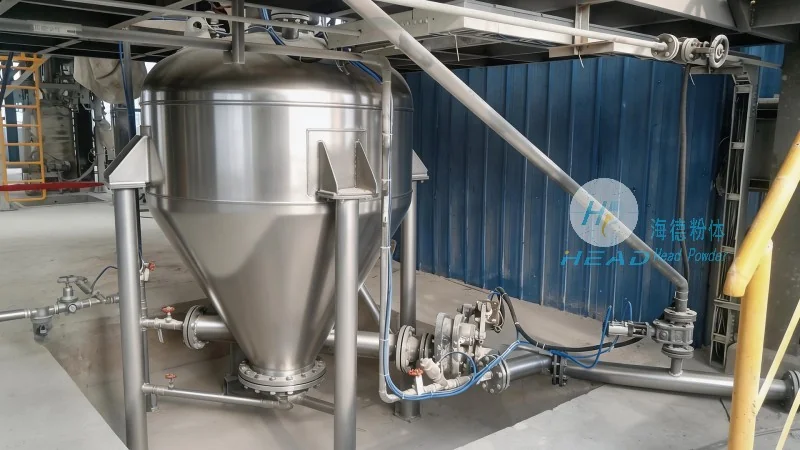
Key Design Considerations for Efficient Corn Handling
Efficient corn pneumatic conveying relies on a comprehensive understanding of the material's properties and the system's operational requirements. The first step in the design process involves assessing the corn's bulk density, moisture content, and flow characteristics. These parameters dictate the appropriate air velocity, pipeline diameter, and pressure levels needed to move the material without excessive wear or blockage. For instance, high-moisture corn may require higher air velocities to prevent caking, while low-moisture corn can be handled at lower velocities with reduced energy consumption.
Component Selection and System Layout
The choice of components, such as blowers, cyclones, and material separators, is pivotal to the system's performance. HeadPowder, a leading manufacturer based in Shandong, China, emphasizes the importance of selecting high-efficiency blowers that can maintain consistent pressure and airflow. The blower type—positive displacement or centrifugal—depends on the system's capacity and the need for variable flow rates. Cyclones and separators are critical for separating air from the corn, ensuring that the material is delivered to the target location without contamination. The layout of the pipeline, including the number of bends, vertical and horizontal runs, and the placement of components, must be optimized to minimize pressure drop and energy loss. Properly designed elbows and straight sections reduce turbulence and prevent particle degradation.
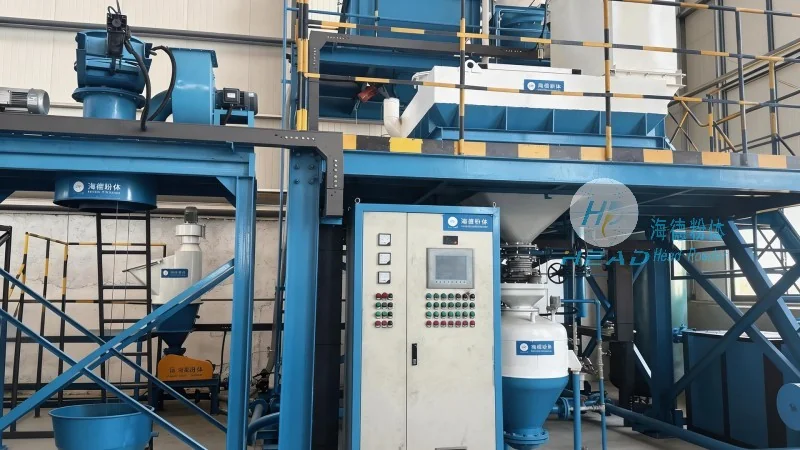
Material Handling and Wear Management
Long-term system reliability depends on effective wear management. Corn, being a abrasive material, can cause significant wear on pipelines, elbows, and other components. HeadPowder recommends using materials with high abrasion resistance, such as stainless steel or specialized alloys, for high-wear areas. Additionally, the use of wear liners and protective coatings can extend the lifespan of the system. Regular maintenance, including inspections for wear and the replacement of worn parts, is essential to prevent system failures and downtime. The design should also account for the potential for blockages, which can occur due to moisture buildup or foreign objects in the corn. Implementing check valves and surge tanks can mitigate these risks and ensure continuous operation.
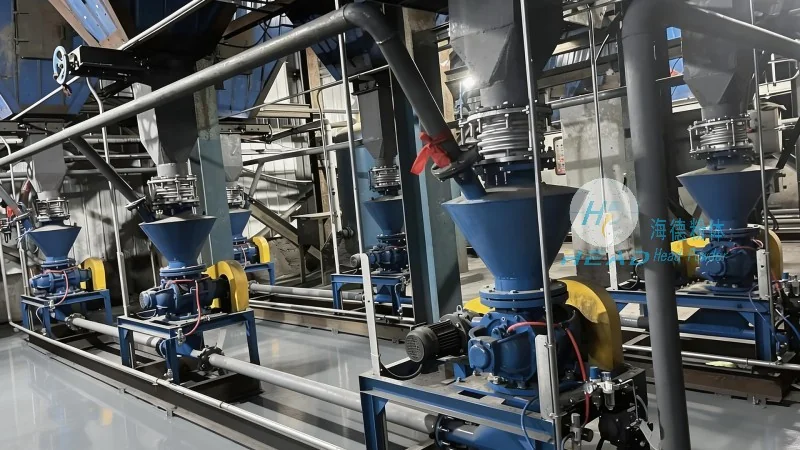
Energy Efficiency and Environmental Impact
Modern corn pneumatic conveying systems prioritize energy efficiency to reduce operational costs and environmental impact. The selection of a high-efficiency blower, as mentioned earlier, is a key factor in minimizing energy consumption. Additionally, optimizing the system's airflow and pressure levels can reduce energy waste. For example, using variable frequency drives (VFDs) to adjust blower speed based on the system's load can save significant energy. The system's design should also consider noise reduction, as high-pressure blowers can generate considerable noise. Acoustic enclosures and soundproofing materials can mitigate this issue, making the system more suitable for industrial and agricultural settings.
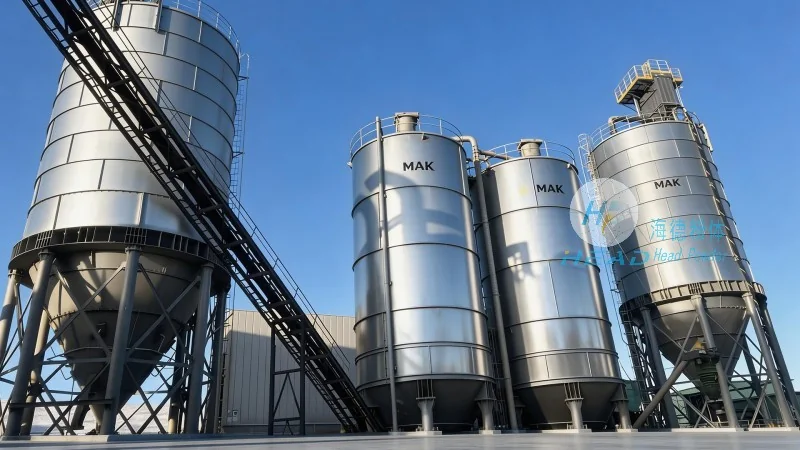
Integration with Existing Infrastructure
For many agricultural facilities, integrating a new corn pneumatic conveying system with existing infrastructure is necessary. The design must account for the existing layout, including storage silos, processing equipment, and transportation routes. HeadPowder provides customized solutions that adapt to the client's specific needs, ensuring seamless integration. This includes matching the system's capacity to the existing storage and processing capabilities, as well as coordinating the pipeline layout with the facility's layout. Proper planning during the design phase can prevent costly modifications and delays during installation.
Conclusion and Recommendations
Designing a corn pneumatic conveying system requires a holistic approach that considers material properties, component selection, wear management, energy efficiency, and integration with existing infrastructure. By adhering to these design considerations, operators can achieve efficient, reliable, and cost-effective corn handling. HeadPowder Engineering Co., Ltd., with its expertise in pneumatic conveying systems, offers tailored solutions that meet the unique needs of agricultural and industrial clients. Based in Shandong, China, the company leverages advanced technology and engineering expertise to deliver high-quality systems that enhance productivity and reduce operational costs. Whether for small-scale or large-scale corn handling, HeadPowder's solutions are designed to meet the demands of modern agricultural operations.