

Design Considerations for Bentonite Pneumatic Conveying Systems
Bentonite, a versatile clay widely used in various industrial applications, often requires efficient and reliable transportation methods. Pneumatic conveying systems offer a solution that minimizes material handling risks and optimizes operational efficiency. However, designing a successful bentonite pneumatic conveying system involves careful consideration of several critical factors to ensure optimal performance and longevity. This article outlines key design considerations for such systems, emphasizing the expertise of Shandong HeadPowder Engineering Co., Ltd., a leading provider in the field.
Material Properties and Flow Characteristics
The first step in designing a bentonite pneumatic conveying system is a thorough analysis of the material's physical properties. Bentonite is known for its high moisture content and cohesive nature, which can significantly impact flow behavior. Understanding the bulk density, particle size distribution, and moisture level is crucial for selecting the appropriate conveying method—whether it's a dilute phase or dense phase system. The company, HeadPowder, leverages advanced material testing to tailor system designs that accommodate these unique characteristics, ensuring smooth and consistent material transport.
System Sizing and Airflow Management
Proper system sizing is fundamental to the success of a bentonite pneumatic conveying system. Calculating the required airflow rate and pressure is essential to maintain stable material flow and prevent blockages. Factors such as the length of the conveying line, elevation changes, and the number of bends must be accounted for in the design process. HeadPowder engineers employ sophisticated computational fluid dynamics (CFD) simulations and empirical formulas to determine optimal air volumes and pressure levels, minimizing energy consumption while maximizing throughput. This approach ensures that the system operates within its design parameters, reducing wear on components and extending the overall lifespan.
Equipment Selection and Component Integration
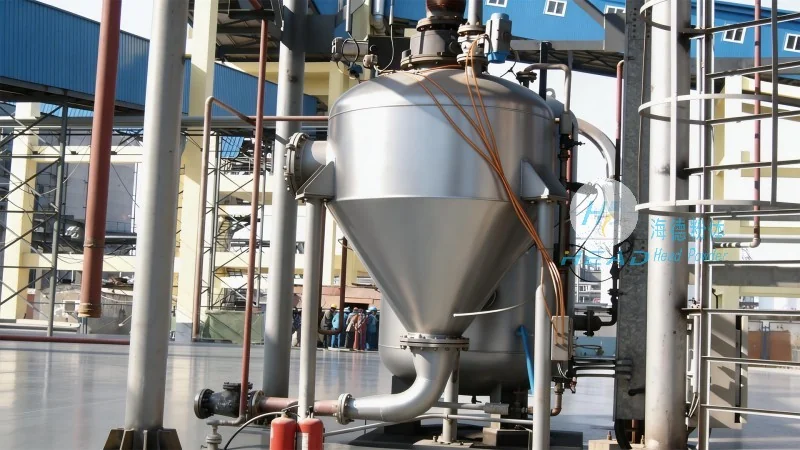
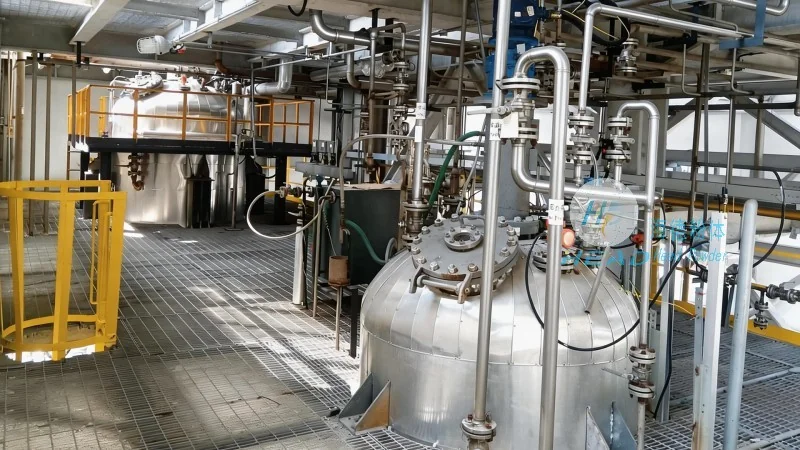
Selecting the right equipment components is critical for the reliability and efficiency of the conveying system. Key components include the feeders, air movers (blowers or compressors), pipelines, and separation devices. For bentonite, which can be abrasive and prone to caking, high-quality materials like stainless steel or special alloys are often recommended to prevent corrosion and material buildup. HeadPowder specializes in integrating these components seamlessly, ensuring that each part works in harmony to achieve the desired conveying performance. The company's expertise in material handling technology allows for the selection of durable, low-maintenance equipment that meets the specific demands of bentonite transportation.
Control Systems and Automation
Modern pneumatic conveying systems benefit greatly from advanced control systems and automation. Implementing programmable logic controllers (PLCs) and sensors enables real-time monitoring of system performance, allowing for immediate adjustments to maintain optimal operation. For bentonite systems, this is particularly important as variations in material properties can affect flow rates. HeadPowder offers customized control solutions that integrate with existing plant infrastructure, providing operators with clear visibility into system status and enabling proactive maintenance. This automation not only enhances operational efficiency but also reduces the risk of system downtime due to human error.
Installation and Maintenance Considerations
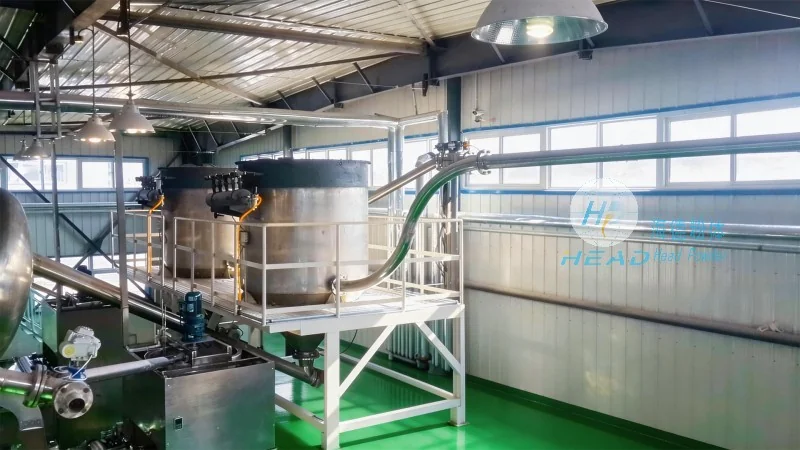
The design of a bentonite pneumatic conveying system extends beyond the equipment itself to include installation and maintenance strategies. Proper layout of the conveying line, including the placement of feeders, receivers, and silos, is essential to minimize material accumulation and ensure smooth flow. HeadPowder provides comprehensive installation services, ensuring that all components are positioned correctly and that the system is commissioned according to industry best practices. Additionally, regular maintenance is critical to prevent issues such as blockages or equipment failure. The company offers maintenance programs tailored to the specific needs of bentonite systems, including scheduled inspections, cleaning, and component replacement, ensuring that the system remains in optimal condition throughout its operational life.
Environmental and Safety Compliance
Designing a bentonite pneumatic conveying system must also consider environmental and safety regulations. Bentonite is often handled in environments where dust control is a priority, and systems must be designed to minimize emissions and comply with local air quality standards. HeadPowder incorporates dust suppression measures, such as cyclone separators and filtration systems, into the design to ensure compliance. Furthermore, safety considerations, including proper ventilation and emergency shutdown procedures, are integrated into the system design to protect personnel and equipment. By adhering to these standards, HeadPowder ensures that its systems not only meet operational requirements but also contribute to a safe and sustainable industrial environment.
Case Studies and Real-World Applications
HeadPowder's expertise in bentonite pneumatic conveying systems is demonstrated through successful case studies across various industries. For example, in the oil and gas sector, the company designed a system to transport bentonite for drilling fluid applications, achieving high throughput and low maintenance costs. In the construction industry, a system was implemented to convey bentonite for soil stabilization projects, improving project efficiency and reducing labor costs. These real-world applications highlight the effectiveness of HeadPowder's design approach, which focuses on understanding the unique challenges of bentonite and providing tailored solutions that meet client objectives. The company's commitment to quality and customer satisfaction has made it a trusted partner for businesses seeking reliable bentonite transportation solutions.
Conclusion and Future Trends
In conclusion, designing a bentonite pneumatic conveying system requires a comprehensive approach that considers material properties, system sizing, equipment selection, control systems, installation, and safety. Shandong HeadPowder Engineering Co., Ltd. brings decades of experience and technical expertise to the table, ensuring that each system is optimized for performance and longevity. As industries continue to demand more efficient and sustainable material handling solutions, the importance of well-designed bentonite pneumatic conveying systems will only grow. HeadPowder remains at the forefront of this technology, providing innovative solutions that help clients achieve their operational goals while minimizing costs and environmental impact.