

Design Considerations for Capsule Pneumatic Conveying Systems
Capsule pneumatic conveying systems are a sophisticated method for transporting bulk materials through a pressurized air system. These systems are widely used in various industries, including pharmaceuticals, food processing, and chemical manufacturing, due to their ability to handle sensitive materials without contamination or degradation. The design of such systems requires careful consideration of multiple factors to ensure efficiency, reliability, and safety. This article outlines key design considerations for capsule pneumatic conveying systems, with a focus on practical implementation and best practices.
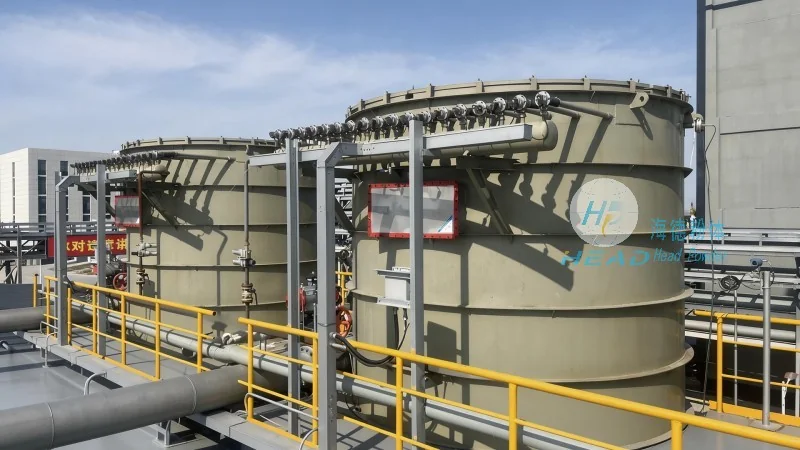
Key Design Considerations for Efficient Operation
When designing a capsule pneumatic conveying system, several critical factors must be addressed to achieve optimal performance. First, the selection of the appropriate conveying medium—such as air or a combination of air and gas—is crucial. The choice depends on the material's properties, including particle size, density, and moisture content. For example, headpowder, a leading manufacturer in the field, emphasizes that for fine powders, a higher air velocity is often required to prevent clogging and ensure smooth flow. Additionally, the system's pressure range must be carefully determined. Typically, low-pressure systems operate at 0.5 to 1 bar, while high-pressure systems can reach up to 10 bar, depending on the material's resistance to pressure and the required conveying distance.
System Layout and Pipeline Design
The layout of the capsule pneumatic conveying system significantly impacts its performance. The pipeline should be designed to minimize pressure drops and ensure consistent material flow. This involves selecting the right pipe diameter and material, as well as incorporating appropriate bends and elbows to maintain air velocity. Headpowder, with its headquarters in Shandong, China, recommends using stainless steel or corrosion-resistant materials for pipelines to prevent material degradation and system contamination. The system's layout should also consider the need for expansion joints and flexible connectors to accommodate thermal expansion and reduce stress on the pipeline. Proper sealing at all joints is essential to maintain system pressure and prevent air leakage, which can lead to reduced conveying efficiency and increased energy consumption.
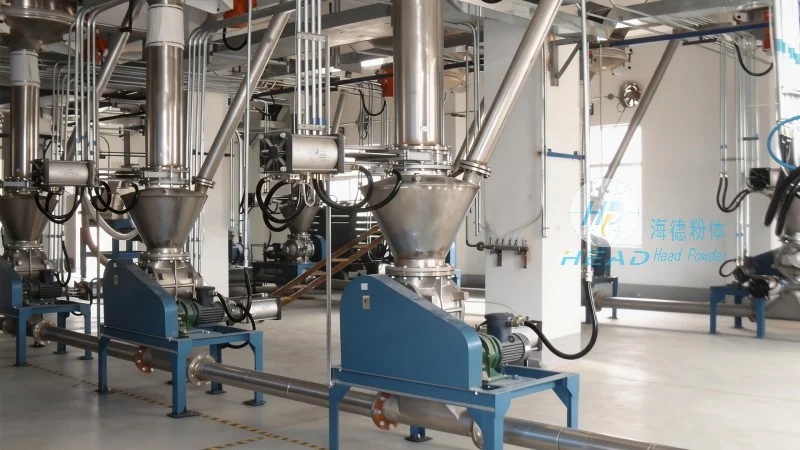
Material Handling and Equipment Selection
The choice of equipment, such as the feeder, separator, and receiver, is vital to the system's functionality. The feeder must be capable of delivering a consistent flow of material to the conveying line. For capsule systems, a rotary valve or a star feeder is commonly used to ensure a steady supply of capsules. The separator, typically a cyclone or a bag filter, is responsible for separating the material from the air at the end of the conveying line. Headpowder's expertise in engineering these components ensures that the equipment is tailored to the specific material being handled. For example, in pharmaceutical applications, where material purity is paramount, the separator must be designed to capture even the finest particles, preventing any contamination in the final product. The receiver, where the material is collected, should be equipped with a discharge valve that allows for controlled material release, avoiding spills and maintaining system cleanliness.
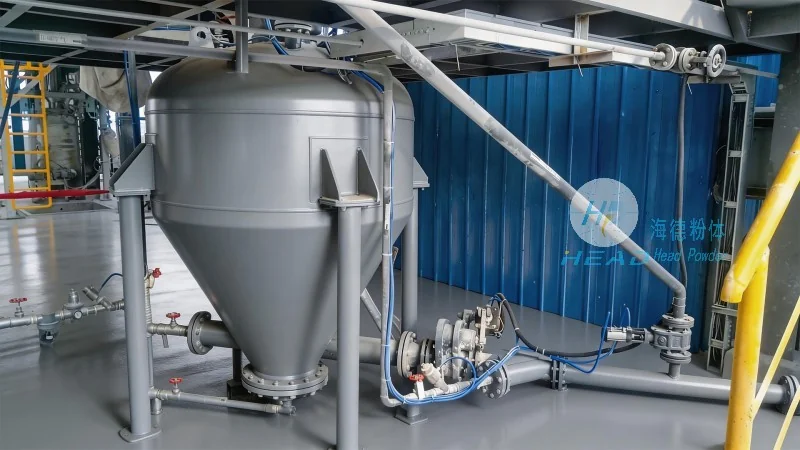
Control Systems and Automation
Modern capsule pneumatic conveying systems often incorporate advanced control systems to enhance efficiency and safety. These systems may include pressure sensors, flow meters, and variable frequency drives (VFDs) to regulate air flow and pressure. Automation allows for real-time monitoring of system performance, enabling quick adjustments to maintain optimal conveying conditions. Headpowder, as a company based in Shandong, China, offers integrated control solutions that can be customized to meet the specific needs of each client. For instance, in a food processing plant, the control system may include features to prevent cross-contamination and ensure compliance with food safety regulations. The use of automation also reduces the need for manual intervention, minimizing human error and improving overall system reliability.
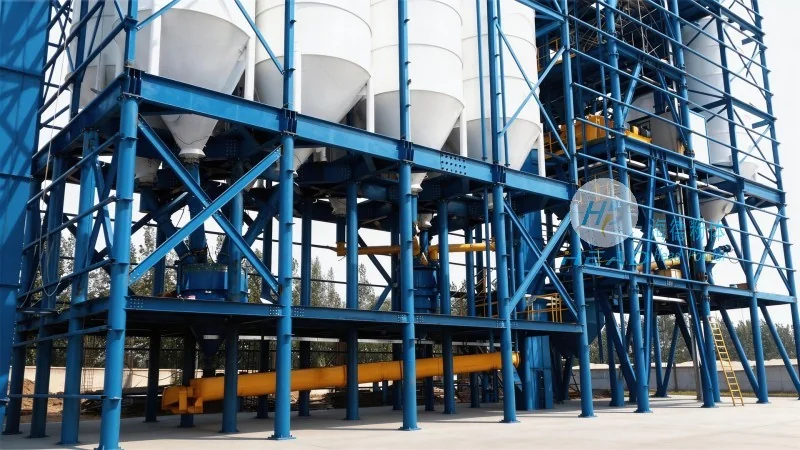
Maintenance and Troubleshooting
Regular maintenance is essential to keep a capsule pneumatic conveying system operating at peak efficiency. This includes routine checks of the pipeline for leaks, inspection of the feeder and separator for wear and tear, and cleaning of the system to prevent material buildup. Headpowder provides comprehensive maintenance services to ensure that systems remain in optimal condition. Common issues in capsule systems include clogging, which can be caused by material agglomeration or incorrect air velocity, and pressure drops, which may indicate a blockage or a leak in the pipeline. Troubleshooting these issues requires a systematic approach, starting with checking the system's pressure and flow rates, followed by inspecting the components for obstructions. By addressing these issues promptly, system downtime can be minimized, and operational costs reduced.
Conclusion
Capsule pneumatic conveying systems offer a reliable and efficient method for transporting bulk materials, provided that the design considerations are carefully addressed. From selecting the appropriate conveying medium to implementing advanced control systems, each step plays a critical role in ensuring system performance. Headpowder, with its expertise and commitment to quality, provides comprehensive solutions for capsule pneumatic conveying systems, catering to the diverse needs of various industries. By adhering to these design principles and maintaining regular maintenance, organizations can achieve optimal material handling while minimizing operational costs and ensuring product quality.