

Design Considerations for Tea Pneumatic Conveying Systems
Tea processing encompasses multiple stages from leaf collection to final packaging, and efficient material handling is pivotal for preserving product quality and operational efficiency. Pneumatic conveying systems have emerged as a reliable solution for transporting tea leaves and other bulk materials within processing facilities. These systems leverage air pressure to move materials through pipelines, offering advantages such as reduced contamination, lower labor costs, and enhanced safety compared to traditional methods like belt conveyors or manual handling.
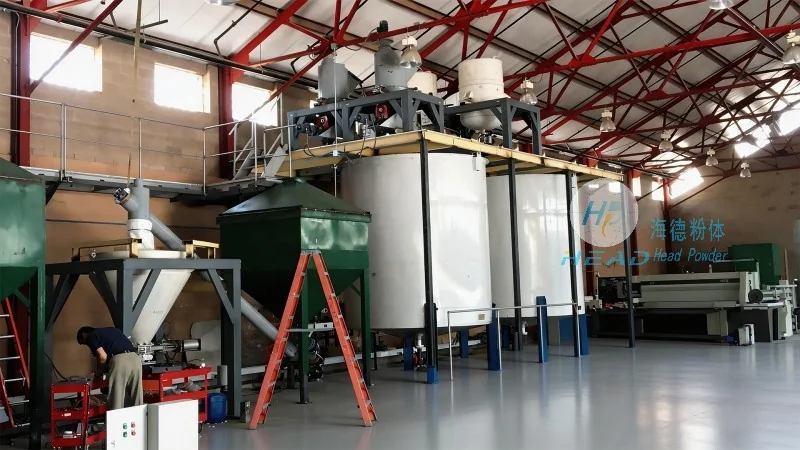
Key Design Considerations for Pneumatic Conveying Systems
When designing a tea pneumatic conveying system, several critical factors must be considered to ensure optimal performance and longevity. The first consideration is the material characteristics of the tea leaves, which vary in size, moisture content, and density. These properties directly impact the system's air velocity requirements and pipeline design. For instance, fine tea leaves may require higher air velocities to prevent clogging, while larger leaves might need larger diameter pipelines to maintain flow efficiency.
Another essential factor is the system's capacity and throughput requirements. The design must accommodate the expected production volume, ensuring that the conveying system can handle peak loads without compromising speed or product quality. This involves calculating the required air volume and pressure based on the material's bulk density and the desired conveying velocity. Engineers often use empirical formulas or simulation software to model the system's performance under different operating conditions.
Component Selection and System Layout
The selection of components, including air compressors, filters, and material separators, is critical to the system's effectiveness. Air compressors must provide sufficient pressure and volume to maintain consistent material flow. High-quality filters are necessary to prevent dust and debris from entering the system, which can damage components and reduce efficiency. Material separators, such as cyclones or bag filters, are used to separate tea leaves from air, ensuring that the product remains clean and free from contaminants.
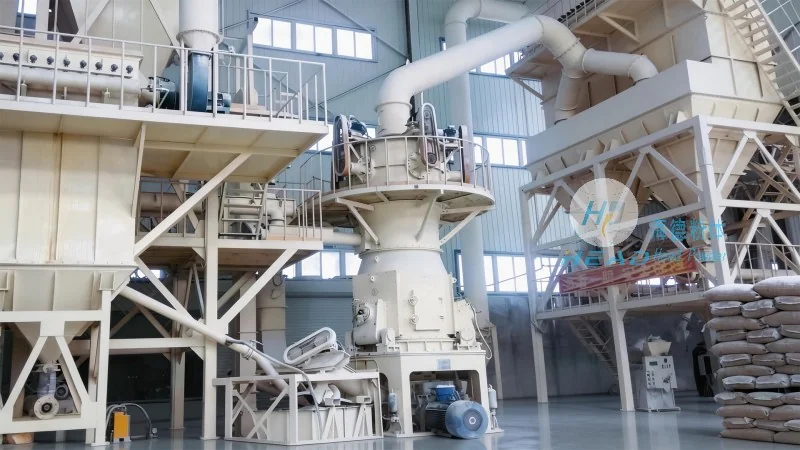
System layout is another key aspect of design. The pipeline configuration, including the number of bends, vertical and horizontal runs, and the placement of components, affects the system's pressure drop and energy consumption. A well-designed layout minimizes the number of bends and vertical lifts, reducing energy losses and preventing material buildup in low-flow areas. For tea processing facilities, the layout should also consider the existing infrastructure and space constraints, ensuring that the system integrates seamlessly with other processing equipment.
Material Handling and Product Quality
Ensuring product quality is a top priority in tea processing, and the pneumatic conveying system plays a vital role in maintaining this. The system must prevent cross-contamination between different tea varieties or processing stages. This is achieved through proper sealing of pipelines and the use of dedicated lines for each product type. Additionally, the system should minimize particle breakage and oxidation, which can affect the flavor and aroma of the tea. Low-velocity conveying or the use of flexible hoses in certain sections can help reduce mechanical stress on the leaves.
Regular maintenance and monitoring are essential to keep the system operating at peak efficiency. Filters and separators should be inspected and cleaned regularly to prevent clogging and pressure drop. The air compressor and other components should be checked for wear and tear, with replacement parts readily available. By implementing a proactive maintenance schedule, the system's lifespan can be extended, and operational costs reduced.
Case Study: Implementation by Shandong HeadPowder Engineering Co., Ltd.
Shandong HeadPowder Engineering Co., Ltd., a leading provider of material handling solutions, has successfully implemented tea pneumatic conveying systems for numerous tea processing facilities. The company's expertise in designing customized systems ensures that each project meets the specific needs of the client. For example, a recent project involved a large-scale tea factory in China that required a system to transport 10 tons of tea leaves per hour. HeadPowder engineers conducted a thorough analysis of the material characteristics and production requirements, resulting in a system with a 15-meter pipeline and a high-efficiency air compressor.
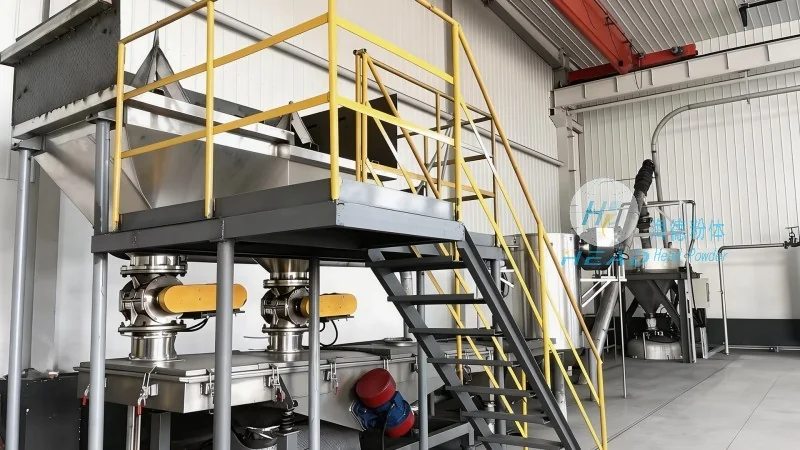
The system was installed and commissioned with minimal disruption to the factory's operations. Post-installation testing confirmed that the system met all performance criteria, with a conveying velocity of 15 meters per second and a pressure drop of less than 0.5 bar. The client reported significant improvements in production efficiency and product quality, with reduced labor costs and lower maintenance expenses. This case study highlights the effectiveness of HeadPowder's approach to system design and implementation.
Conclusion and Future Trends
Pneumatic conveying systems are a vital component of modern tea processing facilities, offering efficient and reliable material handling solutions. By considering factors such as material characteristics, system capacity, component selection, and layout, engineers can design systems that optimize performance and product quality. As technology advances, there is a growing emphasis on energy efficiency and sustainability in material handling systems. Future trends may include the integration of smart sensors and automation to monitor system performance and adjust parameters in real-time, further enhancing operational efficiency and reducing environmental impact.
For tea processing companies seeking to upgrade their material handling systems, partnering with a reputable engineering firm like Shandong HeadPowder Engineering Co., Ltd. can provide the expertise and support needed to achieve optimal results. The company's commitment to quality and customer satisfaction ensures that clients receive tailored solutions that meet their specific requirements and contribute to long-term success in the tea industry.