

Design Considerations for the Pneumatic Conveying System of Desulfurization Sodium Bicarbonate
The design of a pneumatic conveying system for desulfurization sodium bicarbonate is a critical process that requires careful consideration of various technical and operational factors. As a leading engineering company, Shandong HeadPowder Engineering Co., Ltd. specializes in providing tailored solutions that ensure efficiency, reliability, and safety in the handling of this specialized chemical. This article outlines key design considerations to help engineers and industry professionals optimize their systems.
Key Design Considerations for the System
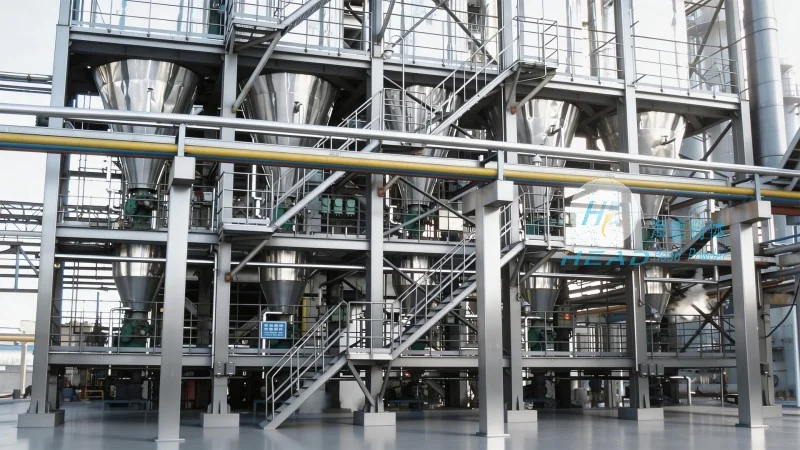
When designing a pneumatic conveying system for desulfurization sodium bicarbonate, several factors must be evaluated to achieve optimal performance. The first consideration is the material properties of the sodium bicarbonate itself. This chemical, often used in flue gas desulfurization processes, has specific characteristics such as particle size distribution, moisture content, and flowability. These properties directly impact the selection of conveying equipment, including the type of pneumatic system (e.g., pressure or vacuum), the size of the ductwork, and the choice of air compressor or fan. For example, if the sodium bicarbonate particles are fine and have a high moisture content, a pressure system with a higher air velocity may be necessary to prevent clogging and ensure smooth flow.
System Components and Their Role
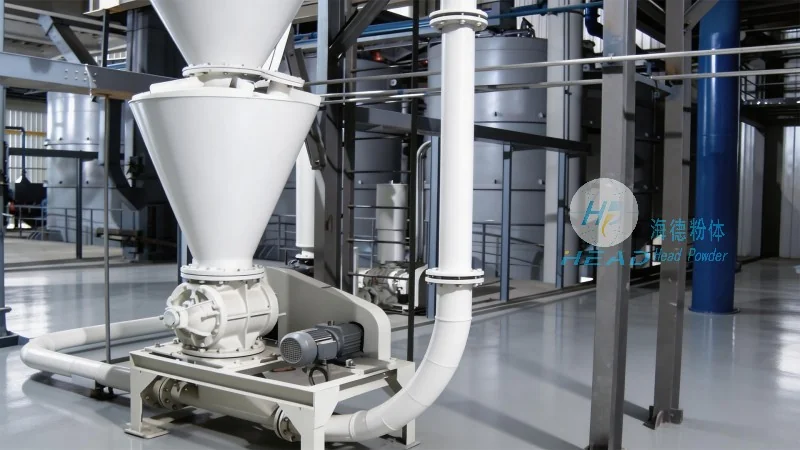
The pneumatic conveying system typically consists of several key components, each playing a vital role in the overall operation. These include the material feed hopper, which stores and feeds the sodium bicarbonate into the system; the air compressor or fan, which provides the necessary pressure or vacuum to move the material; the ductwork, which transports the material and air mixture; and the separation equipment, such as cyclones or filters, which separates the material from the air at the end of the conveying line. Each component must be selected based on the specific requirements of the application, including the desired conveying distance, the volume of material to be handled, and the required flow rate. For instance, the air compressor must be capable of delivering sufficient air volume and pressure to overcome the resistance in the ductwork and maintain the desired material velocity. The ductwork diameter and length are also critical, as they affect the pressure drop and energy consumption of the system. Proper sizing of these components is essential to minimize energy costs and ensure consistent material delivery.
Material Handling and Safety Considerations
Handling desulfurization sodium bicarbonate requires attention to safety and material integrity. The system design must incorporate measures to prevent dust explosions, as sodium bicarbonate is a combustible dust under certain conditions. This includes installing explosion-proof equipment, such as spark arrestors and flame arrestors, and ensuring proper ventilation to remove dust from the system. Additionally, the material feed hopper and conveying lines should be designed to prevent material buildup and blockages, which can lead to system failures and safety hazards. Regular maintenance and cleaning of the system are also essential to maintain performance and safety. The use of appropriate seals and gaskets in the equipment can help prevent leaks and contamination, ensuring the quality of the sodium bicarbonate remains consistent throughout the conveying process.
Energy Efficiency and Operational Costs
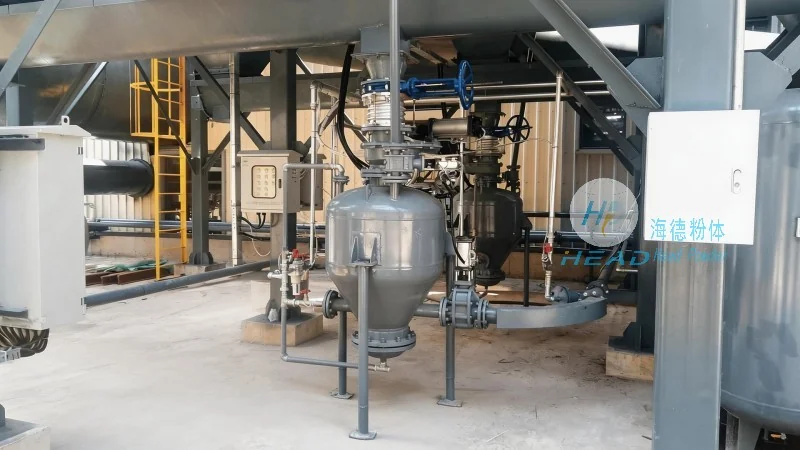
Optimizing the pneumatic conveying system for energy efficiency is another important design consideration. The choice of system type (pressure vs. vacuum) and the selection of the air compressor or fan can significantly impact energy consumption. A pressure system generally requires less energy than a vacuum system for the same conveying distance, but it may require more maintenance. The system design should aim to minimize pressure drop in the ductwork by using smooth, well-insulated pipes and avoiding sharp bends or restrictions. Proper sizing of the air compressor to match the system's demand can also reduce energy waste. Additionally, incorporating energy recovery systems, such as using the exhaust air to preheat the material or the process, can further improve efficiency. By focusing on energy efficiency, the system can reduce operational costs and contribute to a more sustainable operation.
Customization and Integration with Existing Systems
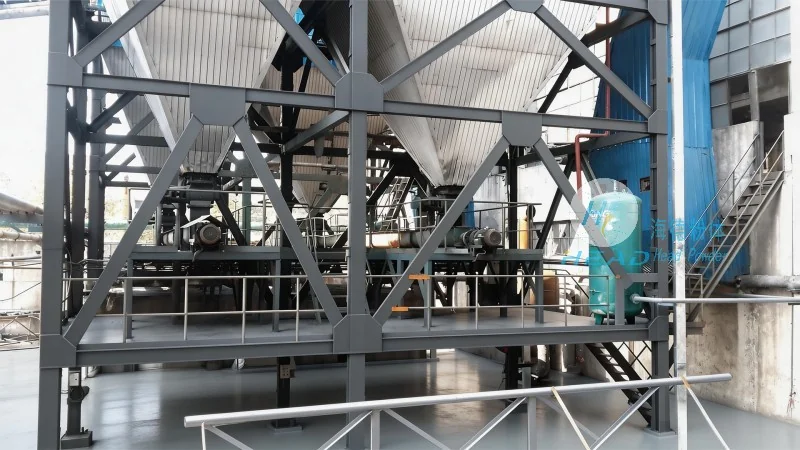
Shandong HeadPowder Engineering Co., Ltd. offers customized solutions tailored to the specific needs of each client. The design process involves a thorough analysis of the client's requirements, including the desired conveying distance, material flow rate, and integration with existing facilities. The company's engineers work closely with clients to develop a system that meets their operational goals while adhering to industry standards and safety regulations. Customization may include the integration of the pneumatic conveying system with other equipment, such as storage silos, mixers, or processing units. This integration ensures seamless operation and improves overall process efficiency. For example, a system may be designed to feed the sodium bicarbonate directly into a mixer or a reactor, eliminating the need for manual handling and reducing the risk of contamination. The company's expertise in system integration allows for the development of comprehensive solutions that enhance the client's production capabilities.
Conclusion and Company Overview
In conclusion, the design of a pneumatic conveying system for desulfurization sodium bicarbonate is a complex process that requires careful consideration of material properties, system components, safety measures, and energy efficiency. By addressing these factors, engineers can develop a system that is reliable, efficient, and safe. Shandong HeadPowder Engineering Co., Ltd. is committed to providing high-quality engineering solutions that meet the unique needs of its clients. With a focus on innovation and customer satisfaction, the company offers customized pneumatic conveying systems that enhance operational performance and reduce costs. Based in Shandong, China, HeadPowder Engineering Co., Ltd. serves clients worldwide, delivering solutions that meet the highest standards of quality and safety.