

Design Considerations for Pneumatic Conveying Systems of Powder Electrolytes
When designing a pneumatic conveying system for powder electrolytes, several critical factors must be considered to ensure efficient, reliable, and cost-effective operation. The expertise of companies like Shandong HeadPowder Engineering Co., Ltd., commonly known as headpowder, is essential in navigating these complexities. This article outlines key design considerations that professionals should address when developing such systems.
Material Properties and Handling Characteristics
The first step in designing a pneumatic conveying system for powder electrolytes is a thorough analysis of the material's physical and chemical properties. Powder electrolytes, such as those used in battery manufacturing, often have unique characteristics that impact system performance. For instance, the particle size distribution, density, and flowability of the powder can significantly affect the selection of conveying air velocity, pressure, and equipment type. Headpowder engineers conduct detailed material testing to determine these properties, ensuring that the chosen system can handle the specific challenges posed by the electrolyte powder. This includes assessing the material's tendency to agglomerate, which can lead to blockages or reduced conveying efficiency. By understanding these characteristics, the system design can be optimized to maintain consistent flow and prevent system downtime.
System Configuration and Conveying Principles
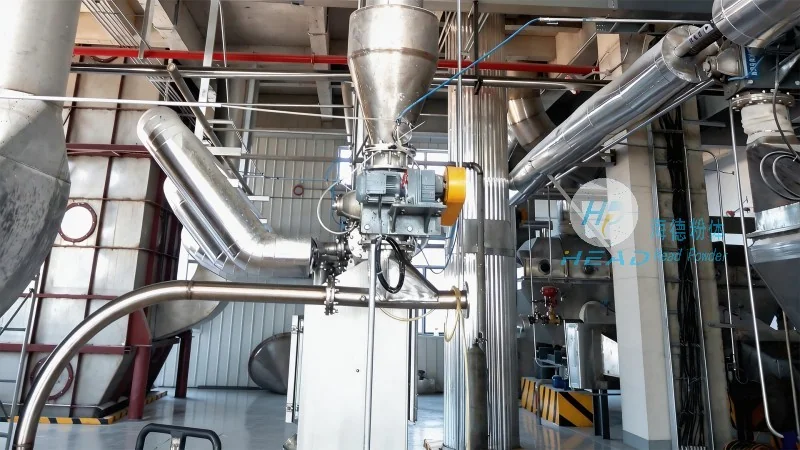
The configuration of a pneumatic conveying system for powder electrolytes depends on the required conveying distance, the volume of material to be transported, and the desired operating pressure. There are primarily two types of pneumatic conveying systems: pressure and vacuum. Pressure systems use positive pressure to push the material through the pipeline, while vacuum systems use negative pressure to pull the material. For powder electrolytes, especially in industrial applications where long distances or multiple transfer points are involved, pressure systems are often preferred due to their higher efficiency and ability to handle larger volumes. Headpowder specializes in designing pressure pneumatic conveying systems that can accommodate various distances and material loads. The system typically includes a hopper for material storage, a feeder to control the flow rate, a compressor to generate the conveying air, and a pipeline network that connects the source and destination points. The choice of pipeline material, such as stainless steel or plastic, is critical to prevent corrosion and contamination, which are common issues with electrolyte powders. Proper sealing and maintenance of the system components are also essential to ensure long-term reliability.
Pressure and Flow Control Systems
Effective pressure and flow control are vital for the smooth operation of a pneumatic conveying system for powder electrolytes. The system must maintain consistent air pressure and material flow to prevent fluctuations that could lead to system inefficiencies or material degradation. Headpowder incorporates advanced control systems that monitor and adjust the air pressure and material feed rate in real-time. These systems often include sensors to detect pressure drops or blockages, triggering automatic responses such as increasing air pressure or stopping the feeder to prevent further issues. The control system may also integrate with the material handling process, ensuring that the conveying operation is synchronized with other production steps. For example, in battery manufacturing, the electrolyte powder may need to be conveyed to a mixing or coating station, and the control system can coordinate the timing of the conveying process with the subsequent processing steps. This integration enhances overall production efficiency and reduces waste.
Equipment Selection and Maintenance
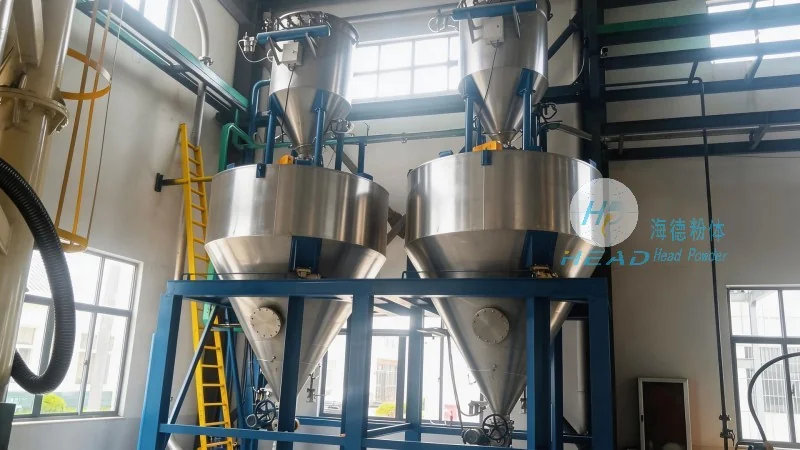
The selection of appropriate equipment is another critical design consideration for pneumatic conveying systems of powder electrolytes. Key components include the hopper, feeder, compressor, and pipeline. The hopper must be designed to prevent material bridging and ensure uniform flow from the storage bin to the feeder. Headpowder recommends using hoppers with appropriate angles and possibly vibrators to maintain material flow. The feeder, such as a rotary valve or a screw feeder, must be selected based on the material's flowability and the required feed rate. Compressors must be chosen to provide sufficient air volume and pressure while minimizing energy consumption. The pipeline design, including the diameter and length, affects the air velocity and pressure drop, which are crucial for efficient conveying. Regular maintenance of the system is essential to ensure optimal performance and longevity. Headpowder provides comprehensive maintenance services, including routine inspections, cleaning, and component replacement, to keep the system operating at peak efficiency. This proactive approach helps prevent unexpected breakdowns and reduces the overall cost of ownership.
Environmental and Safety Considerations
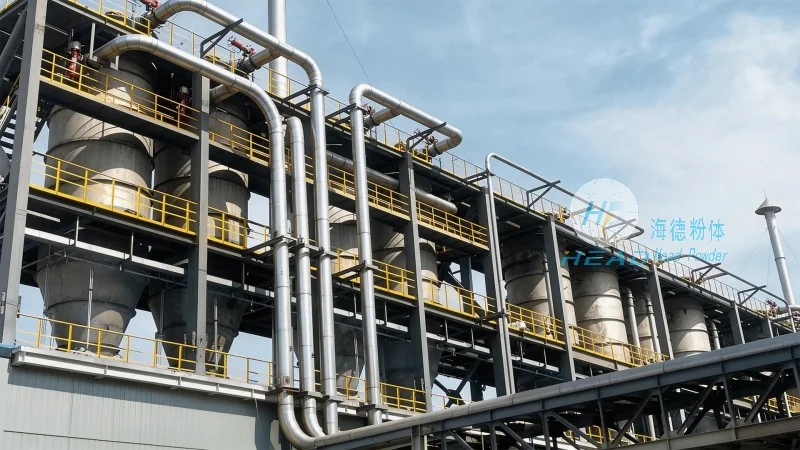
Designing a pneumatic conveying system for powder electrolytes also requires careful consideration of environmental and safety factors. Powder electrolytes can be hazardous if not handled properly, as they may be flammable or corrosive. The system must be designed to minimize dust emissions and prevent the release of harmful particles into the environment. Headpowder incorporates dust collection and filtration systems to capture and contain any airborne particles. These systems may include cyclones, bag filters, or electrostatic precipitators, depending on the material properties and regulatory requirements. Safety features such as pressure relief valves, explosion-proof components, and emergency shutdown systems are also integrated into the design to protect personnel and equipment. Compliance with local environmental and safety regulations is a top priority for headpowder, ensuring that the system operates within legal and ethical boundaries.
Case Study: Successful Implementation by Shandong HeadPowder Engineering Co., Ltd.
Shandong HeadPowder Engineering Co., Ltd. has successfully implemented pneumatic conveying systems for powder electrolytes in various industrial applications. For example, a battery manufacturer in China required a system to transport lithium carbonate powder from a storage silo to a coating line over a distance of 200 meters. Headpowder designed a pressure pneumatic conveying system with a stainless steel pipeline and a high-capacity compressor. The system was equipped with advanced control features to monitor pressure and flow, and a dust collection system to comply with environmental regulations. The implementation resulted in a significant improvement in production efficiency, with reduced downtime and lower material handling costs. The system has been in operation for over three years, demonstrating the reliability and effectiveness of the design. This case study highlights the importance of considering all design factors, from material properties to environmental compliance, to achieve successful system performance.