

Manganese Sulfate Pneumatic Conveying Technology: Principles, Applications, and Development Trends
HeadPowder, a leading engineering company based in Shandong, China, specializes in advanced material handling solutions. This article explores the principles, practical applications, and emerging trends in pneumatic conveying technology for manganese sulfate, a critical industrial chemical. The focus is on how efficient material transport systems enhance operational efficiency and safety in processing facilities.
Principles of Pneumatic Conveying for Manganese Sulfate
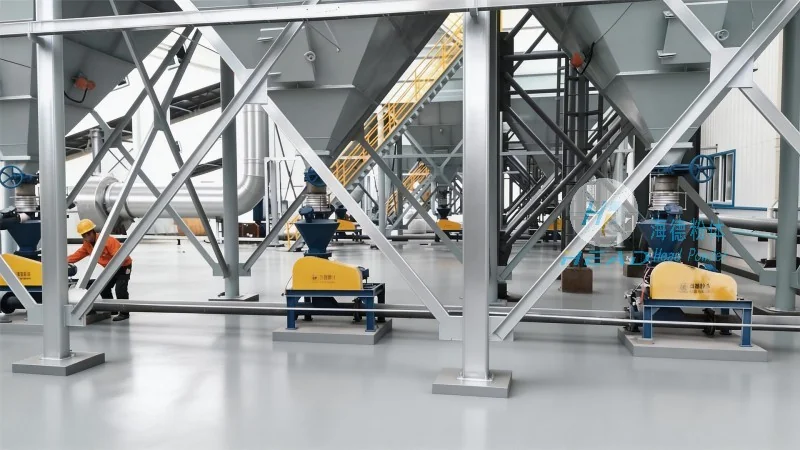
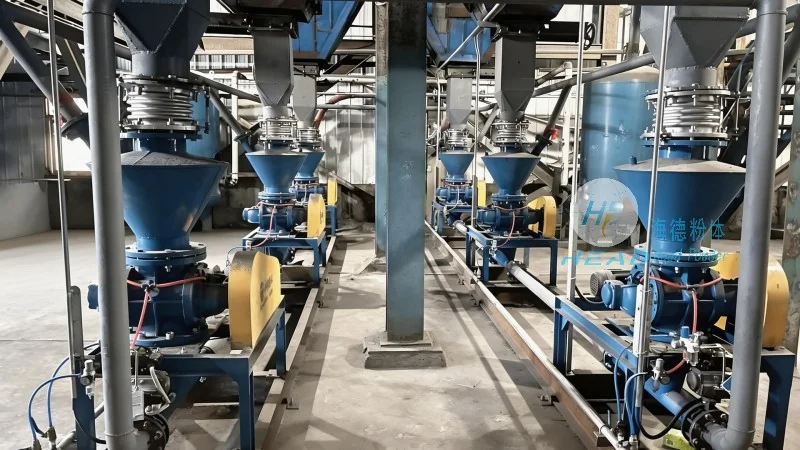
Pneumatic conveying is a method of transporting bulk materials like manganese sulfate through a pipeline using compressed air. The core principle involves creating a pressure differential that propels the material forward. There are two main types: dilute-phase and dense-phase systems. Dilute-phase systems use low air-to-material ratios, suitable for fine powders, while dense-phase systems employ higher air pressures to move larger particles with less degradation. For manganese sulfate, which is often a fine powder, dilute-phase systems are commonly preferred due to their ability to handle high flow rates and maintain material integrity. The system typically includes a hopper, a rotary airlock valve, a conveying line, and a receiver. The compressed air is introduced at the hopper, creating a flow that carries the powder through the pipeline. This method eliminates the need for mechanical components like conveyor belts or buckets, reducing maintenance and increasing safety.
Applications in Industrial Processing
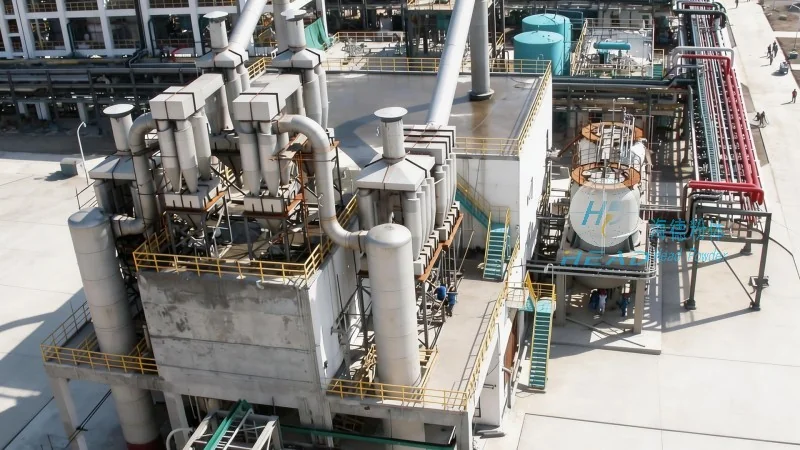
Manganese sulfate is widely used in various industries, including battery manufacturing, water treatment, and chemical production. Pneumatic conveying systems are integral to the efficient handling of this material in these processes. In battery production, manganese sulfate is a key component in cathode materials, and reliable transport ensures consistent quality and reduces downtime. Water treatment facilities use manganese sulfate as a coagulant, and pneumatic systems enable precise dosing and distribution. Chemical plants also rely on these systems to transport manganese sulfate for further processing, such as conversion to other manganese compounds. The technology’s ability to handle fine powders without segregation or loss makes it ideal for these applications. Additionally, the closed system design minimizes dust emissions, aligning with environmental regulations and improving workplace safety.
Advantages of Pneumatic Conveying Systems
Compared to traditional mechanical conveying methods, pneumatic systems offer several advantages for manganese sulfate handling. These include reduced equipment wear and tear, as there are no moving parts in direct contact with the material. This leads to lower maintenance costs and longer equipment lifespan. The closed pipeline design prevents dust contamination and environmental pollution, which is crucial for handling hazardous or fine powders like manganese sulfate. Furthermore, pneumatic systems can handle varying material flow rates and can be easily integrated with other processing equipment, providing flexibility in industrial operations. The ability to transport materials over long distances without intermediate storage points also enhances operational efficiency. For companies like HeadPowder, these benefits translate to improved productivity and compliance with industry standards.
Emerging Trends and Future Developments
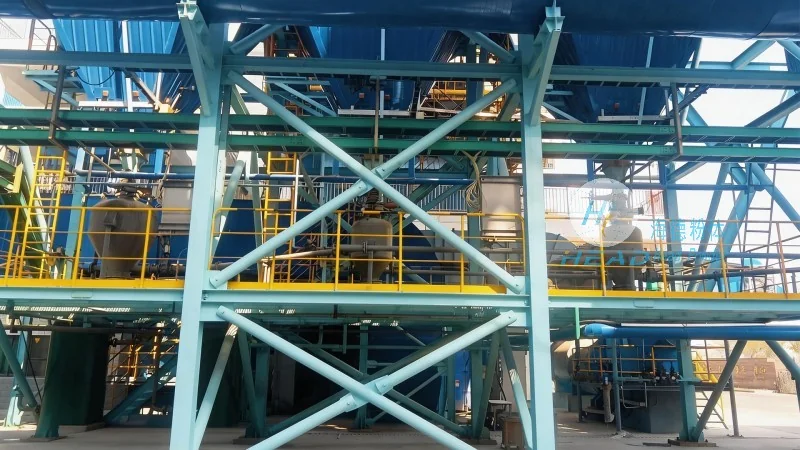
The pneumatic conveying technology for manganese sulfate is continuously evolving to meet the demands of modern industrial processes. One emerging trend is the integration of automation and control systems, which allow for real-time monitoring and adjustment of conveying parameters. This enhances process control and reduces human error. Another development is the use of advanced materials in pipeline construction, such as corrosion-resistant alloys, to handle the chemical properties of manganese sulfate and ensure long-term durability. Additionally, energy-efficient designs are being adopted, with systems that optimize air pressure and flow to minimize energy consumption. These advancements not only improve operational efficiency but also contribute to cost savings and environmental sustainability. As industrial processes become more complex, the demand for reliable and efficient material handling solutions will continue to drive innovation in pneumatic conveying technology. Companies like Shandong HeadPowder Engineering Co., Ltd. are at the forefront of these developments, providing tailored solutions that address the specific needs of their clients.