

[Lithium Cobalt Oxide Pneumatic Conveying Technology: Principles, Applications, and Development Trends]
HeadPowder, a leading provider in the field of material handling solutions, specializes in advanced pneumatic conveying technologies tailored for lithium cobalt oxide (LCO) processing. This article explores the fundamental principles, practical applications, and emerging trends in lithium cobalt oxide pneumatic conveying systems, highlighting the expertise and innovations offered by Shandong HeadPowder Engineering Co., Ltd., headquartered in Shandong, China.
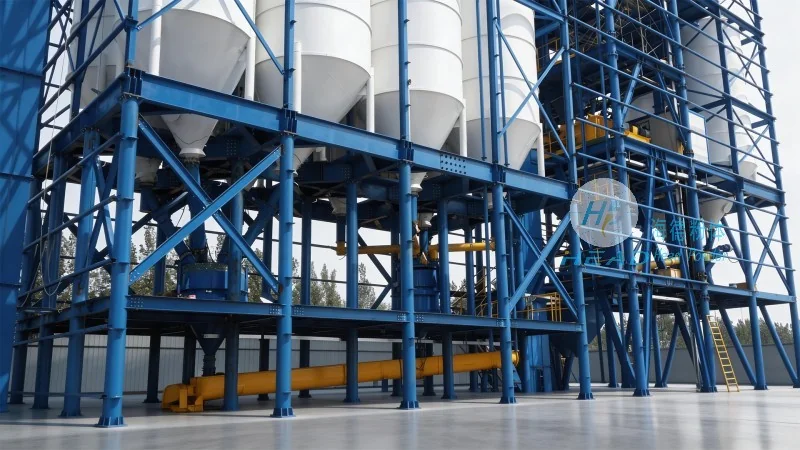
Principles of Lithium Cobalt Oxide Pneumatic Conveying
Lithium cobalt oxide, a critical component in lithium-ion battery production, requires efficient and reliable material transport methods to ensure consistent quality and safety. Pneumatic conveying technology utilizes air or other gases to transport powders like LCO through a pipeline system. The core principles involve creating a pressure differential to move the material, with two primary types: pressure and vacuum systems. Pressure systems use compressed air to push the material forward, while vacuum systems employ suction to draw the material. Key factors influencing the design include material properties (such as density, moisture content, and particle size), system pressure, and pipeline configuration. Proper system design minimizes material degradation, reduces contamination risks, and optimizes energy consumption.
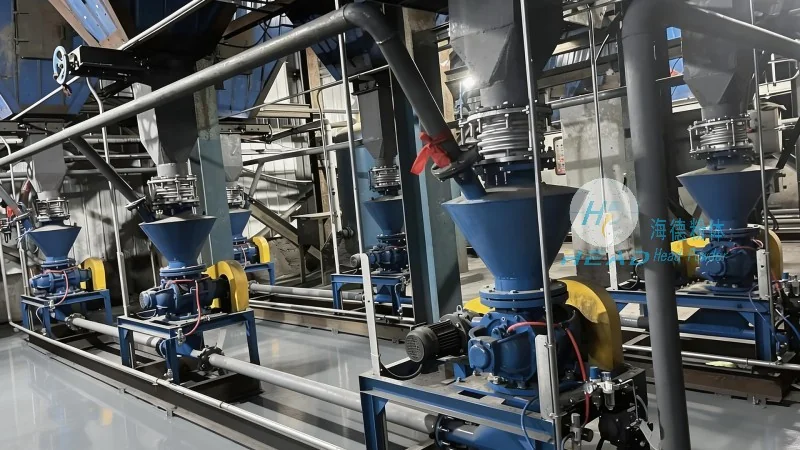
Applications in Lithium Cobalt Oxide Processing
HeadPowder's pneumatic conveying solutions are widely applied in various stages of lithium cobalt oxide production and handling. In the mining and extraction phase, pneumatic systems efficiently transport raw ore to processing facilities. During the chemical synthesis and grinding processes, these systems ensure uniform material distribution and prevent agglomeration. The conveying technology is also essential in the battery cell manufacturing stage, where precise dosing of LCO into mixing and coating equipment is critical. Additionally, in the recycling and reclamation of spent batteries, pneumatic conveying facilitates the separation and transport of LCO from other components, supporting sustainable battery lifecycle management. The systems are designed to handle varying flow rates and material characteristics, ensuring compatibility with different production scales and operational requirements.
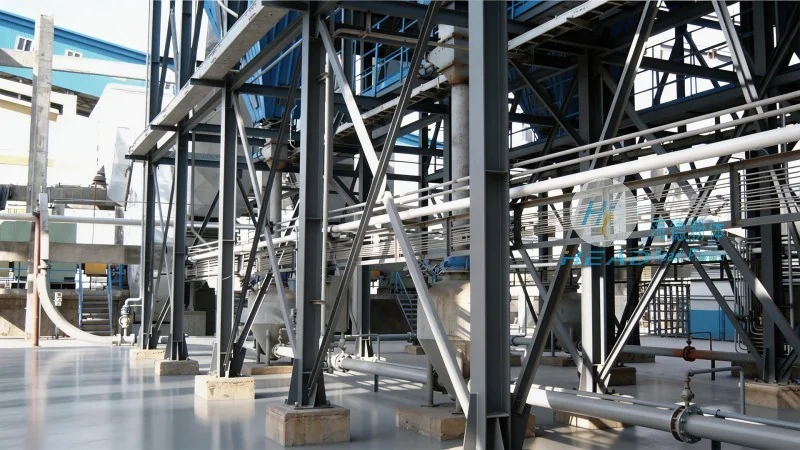
Development Trends and Innovations
The lithium cobalt oxide industry is witnessing continuous advancements in pneumatic conveying technology driven by the growing demand for high-performance batteries. Key trends include the integration of automation and digital control systems to enhance process monitoring and efficiency. Advanced materials and coatings for pipelines are being developed to improve wear resistance and reduce maintenance costs. Energy-efficient solutions, such as variable frequency drives and optimized air compression, are becoming standard to minimize operational expenses. Furthermore, the adoption of modular and flexible system designs allows for easier scalability and adaptation to changing production needs. HeadPowder is at the forefront of these innovations, leveraging cutting-edge research and engineering to provide customized solutions that meet the evolving demands of the lithium cobalt oxide sector. The company's commitment to technological advancement ensures that its pneumatic conveying systems remain state-of-the-art, supporting the long-term success of its clients in the battery industry.