

[Peanut Oil Seed Pneumatic Conveying Technology: Principles, Applications, and Development Trends]
HeadPowder, a leading engineering company based in Shandong, China, specializes in advanced pneumatic conveying solutions tailored for the peanut oil seed processing industry. This article explores the fundamental principles, practical applications, and emerging trends of pneumatic conveying technology for peanut oil seeds, providing a comprehensive overview for industry professionals.
Principles of Pneumatic Conveying for Peanut Oil Seeds
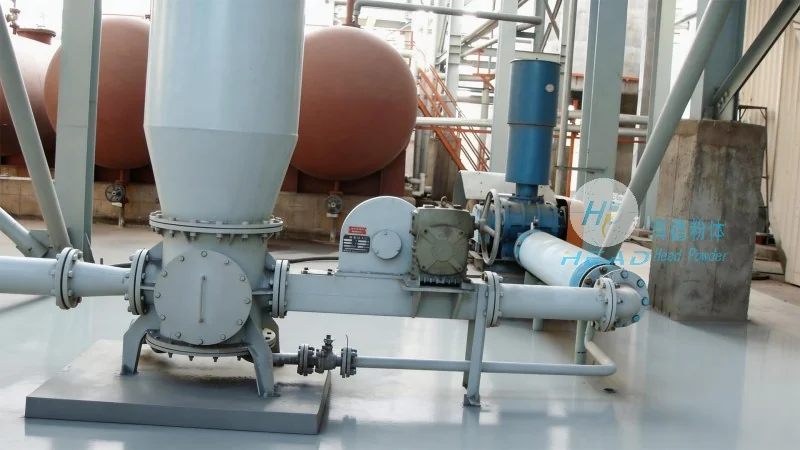
Pneumatic conveying is a method that uses compressed air or gas to transport bulk materials like peanut oil seeds through a pipeline system. The core principle involves creating a pressure differential to move the material from the source to the destination. There are two main types of pneumatic conveying systems: pressure and vacuum. Pressure systems use positive pressure to push the material, while vacuum systems use negative pressure to pull it. For peanut oil seeds, which are typically lightweight and have a relatively low bulk density, pressure systems are often preferred due to their efficiency in handling fine or powdery materials. The system consists of several key components, including a hopper for material storage, a feeder to control the flow rate, a conveying line, and a receiver for the discharged material. The selection of the appropriate system depends on factors such as the material's properties, the distance to be conveyed, and the required throughput. The air velocity within the pipeline is critical; it must be high enough to keep the material suspended but low enough to prevent excessive wear on the equipment. Proper design of the conveying line, including the use of bends, expansions, and filters, is essential to maintain system efficiency and prevent material degradation or blockages.
Applications in Peanut Oil Seed Processing
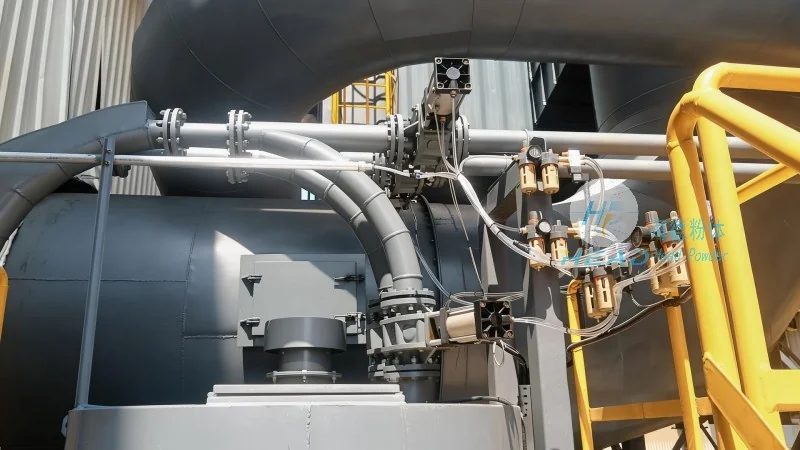
Pneumatic conveying technology is widely utilized in various stages of peanut oil seed processing. In the initial stages, it is used for transporting raw peanut seeds from storage silos or trucks to the processing plant. This eliminates the need for manual handling and reduces the risk of contamination. During the processing, pneumatic conveying is employed to move seeds from the cleaning and grading units to the hulling and shelling machines. It also facilitates the transfer of shelled kernels to the oil extraction equipment. After oil extraction, the remaining seed cake can be conveyed to storage or for further processing. The technology is particularly advantageous in environments where hygiene and dust control are paramount, as it minimizes direct human contact with the material and reduces the generation of airborne particles. Additionally, pneumatic conveying systems can be integrated with other processing equipment, such as dryers and classifiers, to streamline the overall production line. This integration enhances operational efficiency and reduces downtime by ensuring a continuous flow of materials.
Development Trends and Future Prospects
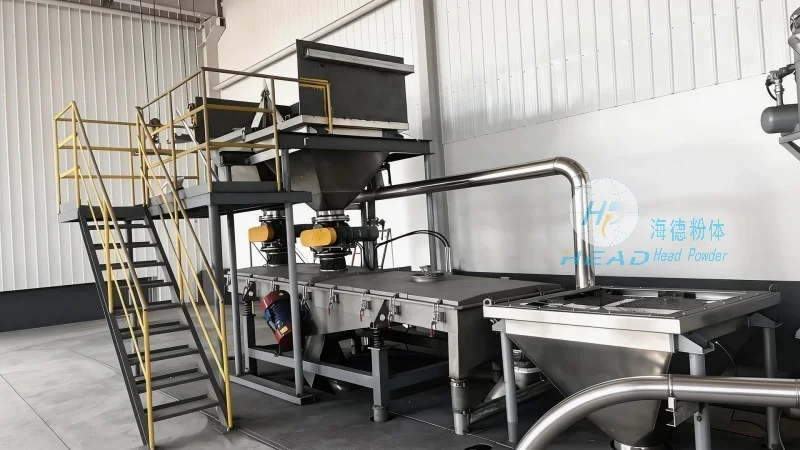
The field of pneumatic conveying for peanut oil seeds is continuously evolving, driven by advancements in technology and increasing demands for efficiency and sustainability. One of the key trends is the adoption of automated and intelligent control systems. Modern pneumatic conveying equipment now features advanced sensors and control panels that allow for real-time monitoring of system performance, including air pressure, flow rate, and material level. This enables operators to optimize the system parameters for maximum efficiency and minimize energy consumption. Another trend is the use of more durable and corrosion-resistant materials in the construction of conveying lines and components. This is particularly important for peanut oil seeds, which may contain moisture or oils that can cause corrosion over time. The integration of predictive maintenance technologies is also gaining traction, where data from the system is analyzed to predict potential failures and schedule maintenance proactively, reducing unexpected downtime and maintenance costs. Furthermore, there is a growing focus on energy-efficient solutions, such as the use of variable frequency drives (VFDs) to adjust the air compressor speed based on the actual conveying demand. This not only reduces energy consumption but also extends the lifespan of the compressor. The development of hybrid systems, combining pneumatic and mechanical conveying, is another emerging trend. These systems offer the benefits of both methods, providing flexibility in handling different material types and flow rates. As the peanut oil seed processing industry continues to grow, the demand for advanced pneumatic conveying solutions will increase, driving further innovation in the field. Companies like HeadPowder are at the forefront of these developments, providing customized solutions that meet the specific needs of their clients while adhering to industry standards and best practices.