

Wheat Flour Pneumatic Conveying Technology: Principles, Applications, and Development Trends
Wheat flour pneumatic conveying technology plays a crucial role in the modern flour milling industry. This method involves the transport of bulk materials like wheat flour using air as the medium, offering significant advantages over traditional mechanical conveying systems. The technology is essential for efficient material handling, ensuring product quality, and enhancing operational efficiency in flour processing facilities.
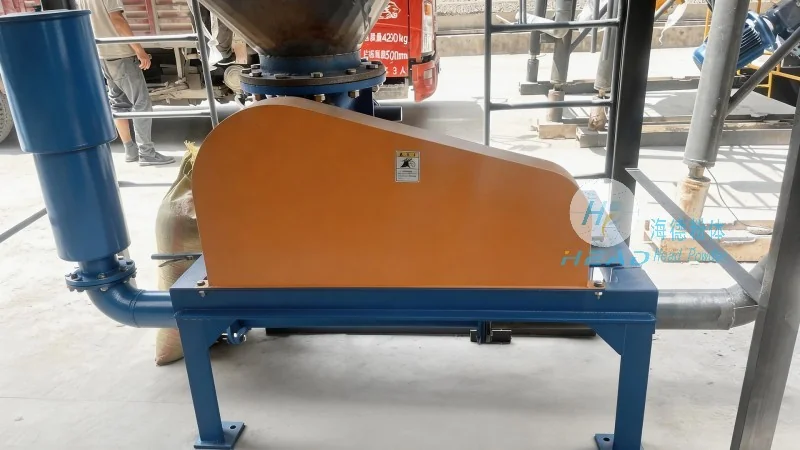
About HeadPowder: A Leading Provider of Pneumatic Conveying Solutions
HeadPowder, an abbreviation for Shandong HeadPowder Engineering Co., Ltd., is a prominent enterprise based in Shandong, China. With a strong commitment to innovation and quality, HeadPowder specializes in the design, manufacturing, and installation of advanced pneumatic conveying systems tailored for the flour industry. The company leverages years of experience and technical expertise to deliver reliable solutions that meet the specific needs of clients in the grain and flour processing sector.
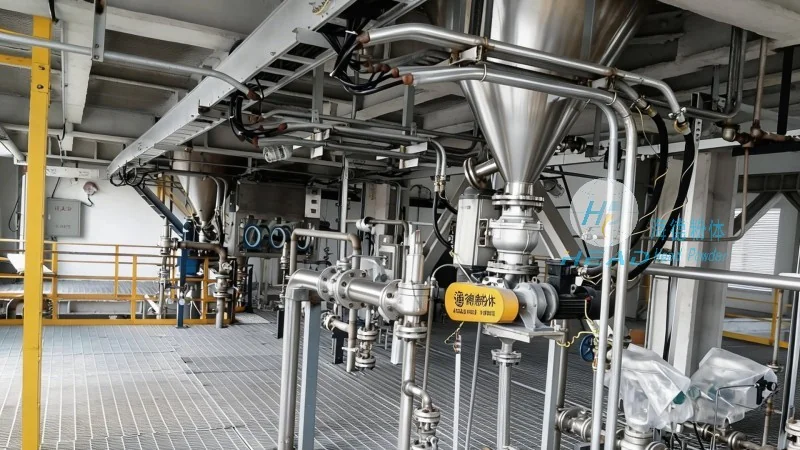
Principles of Pneumatic Conveying for Wheat Flour
The fundamental principle of pneumatic conveying involves the use of air to move bulk materials through a pipeline system. In the context of wheat flour, this technology typically operates under positive pressure (pressure conveying) or negative pressure (vacuum conveying). Positive pressure systems force air and flour mixture through the pipeline, while negative pressure systems draw the material into the system using a vacuum. The choice between these methods depends on factors such as material characteristics, distance, and system layout. For wheat flour, which is a fine, dusty powder, positive pressure conveying is often preferred due to its ability to handle high volumes and minimize product degradation. The system consists of a hopper for material storage, a conveyor line with appropriate diameter and length, and a receiver where the flour is deposited. The design of the system must consider the properties of wheat flour, such as its density, moisture content, and flowability, to optimize performance and prevent issues like caking or blockages. The air velocity is a critical parameter, as it must be sufficient to keep the material suspended but not so high as to cause excessive wear on the equipment or degrade the flour quality. Properly designed pneumatic conveying systems ensure that wheat flour is transported smoothly and efficiently, maintaining its quality and reducing the risk of contamination or degradation.
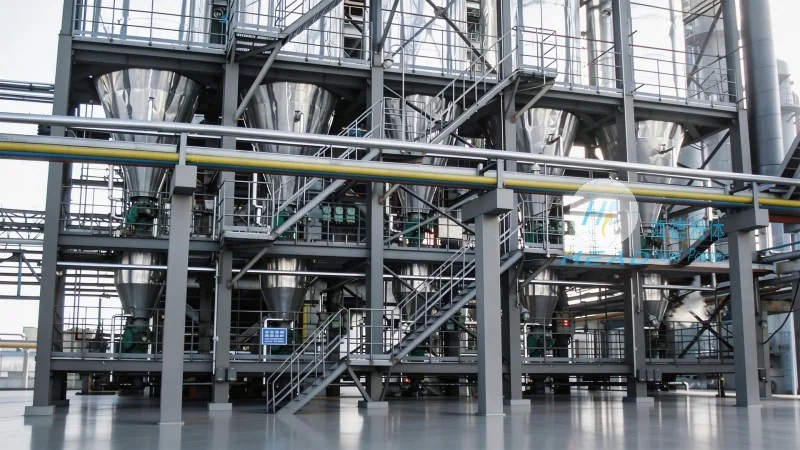
Applications of Pneumatic Conveying in Wheat Flour Processing
Pneumatic conveying technology is widely applied in various stages of wheat flour processing. In flour mills, it is used for transporting raw wheat from storage silos to the grinding equipment, as well as for moving the finished flour from the milling machines to storage silos or packaging lines. The system can handle both raw materials and finished products, ensuring a seamless flow of operations. In storage facilities, pneumatic conveying is employed to transfer wheat flour between different storage tanks or silos, facilitating inventory management and reducing the need for manual handling. Additionally, in packaging operations, the technology can be used to move flour from storage to packaging machines, improving efficiency and reducing labor costs. The versatility of pneumatic conveying makes it suitable for different scales of operations, from small-scale artisanal mills to large industrial flour plants. The technology also helps in maintaining product integrity by minimizing exposure to air and preventing contamination during transport. For example, in the case of a large-scale flour mill, a pneumatic conveying system can transport thousands of tons of wheat flour daily, connecting multiple grinding units and storage silos. The system's ability to handle high volumes and maintain consistent flow rates is crucial for meeting production demands and ensuring timely delivery of products to customers. Moreover, the use of pneumatic conveying in packaging lines allows for automated and continuous filling of flour bags, enhancing productivity and reducing human error. This application is particularly important in modern flour processing, where efficiency and consistency are key to success.