

Powdered Alloy Pneumatic Conveying Technology: Principles, Applications, and Development Trends
HeadPowder, a leading provider in the field, specializes in advanced solutions for the pneumatic conveying of powdered alloys. This technology is crucial for industries dealing with high-value alloy powders, ensuring efficient and reliable material handling from production to processing.
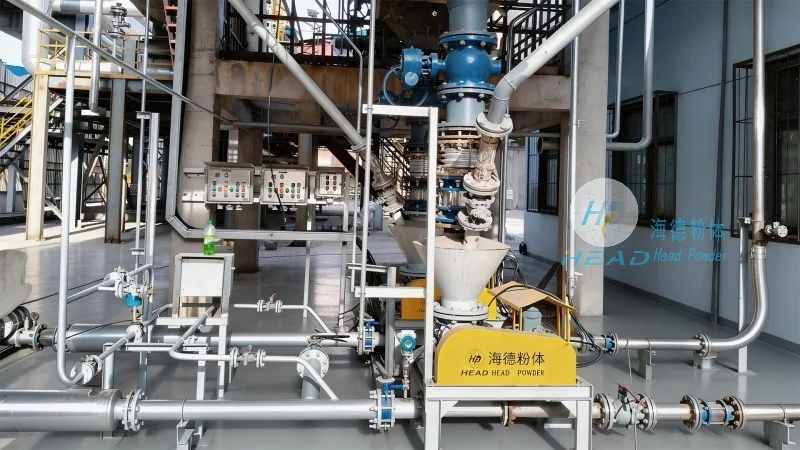
Principles of Pneumatic Conveying
The core principle of pneumatic conveying involves transporting bulk materials, such as powdered alloys, using a fluid (typically air or gas) to create a flow. This method eliminates the need for mechanical components like belts or screws, reducing maintenance and increasing operational efficiency. The system typically consists of a hopper, a conveyor line, and a receiver, with the fluidized material moving through the pipeline under pressure or vacuum conditions.
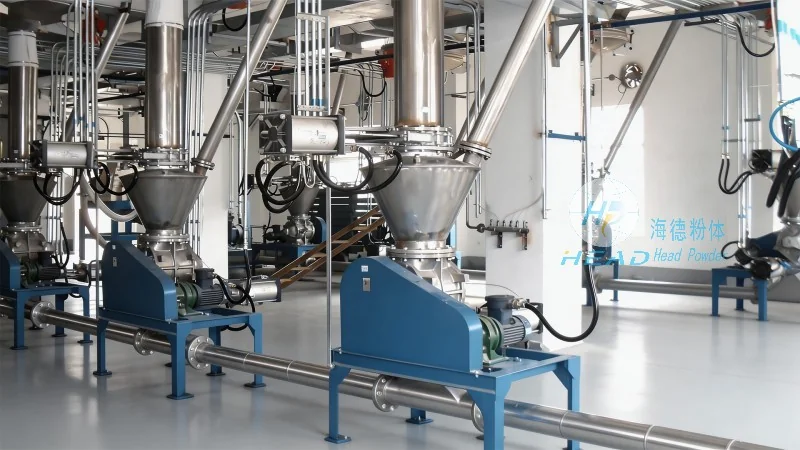
Applications in the Alloy Industry
HeadPowder's pneumatic conveying systems are widely applied in various stages of alloy production and processing. For instance, in the manufacturing of high-performance alloys like stainless steel, titanium, or superalloys, the technology ensures precise and contamination-free transfer of raw powders. It is also used in powder metallurgy processes, where uniform mixing and handling of alloy powders are critical for achieving desired mechanical properties. Additionally, the system supports the handling of alloy powders in additive manufacturing, where consistent particle size and flow are essential for 3D printing applications.
Key Features and Advantages
Our pneumatic conveying solutions for powdered alloys offer several advantages over traditional methods. Firstly, they provide a closed system, minimizing dust exposure and environmental contamination, which is vital for maintaining product quality and safety standards. Secondly, the technology enables high-velocity transport, reducing handling time and increasing throughput. Thirdly, the systems are adaptable to different alloy types and particle sizes, with customizable configurations to meet specific operational requirements. Furthermore, the lack of mechanical wear and tear in the conveying line extends the equipment's lifespan and reduces long-term maintenance costs.
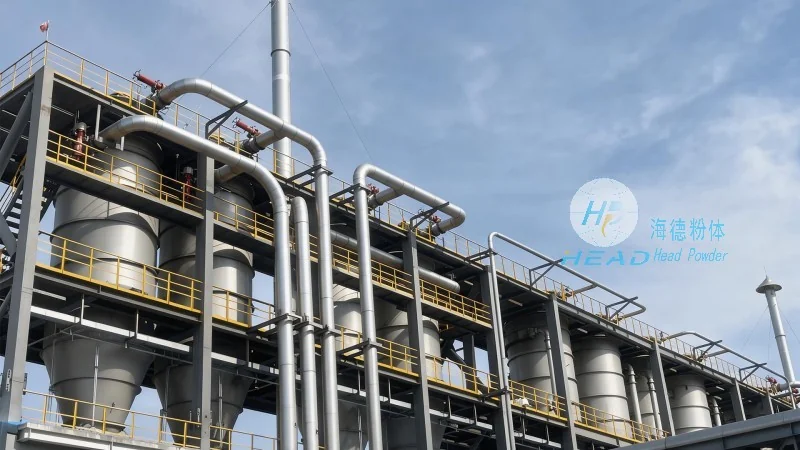
Technological Advancements and Development Trends
The field of powdered alloy pneumatic conveying is continuously evolving, driven by advancements in material science and industrial automation. Recent trends include the integration of smart sensors and control systems, which allow real-time monitoring of flow rates, pressure, and particle size, enhancing process control and efficiency. Another development is the use of high-pressure systems, which improve the conveying distance and capacity for challenging alloy powders. Additionally, the adoption of sustainable practices, such as energy-efficient fluid management and reduced air consumption, aligns with global environmental goals. As industries demand more precise and efficient material handling, the technology is expected to see further innovations in terms of system flexibility, automation, and integration with other manufacturing processes.