

Gypsum Fly Ash Powder Pneumatic Conveying Technology: Principles, Applications, and Development Trends
HeadPowder, a leading engineering firm based in Shandong, China, specializes in advanced pneumatic conveying solutions for handling gypsum and fly ash powders. This article explores the fundamental principles, practical applications, and emerging trends in this critical technology, highlighting how it enhances material transport efficiency and operational safety in industrial settings.
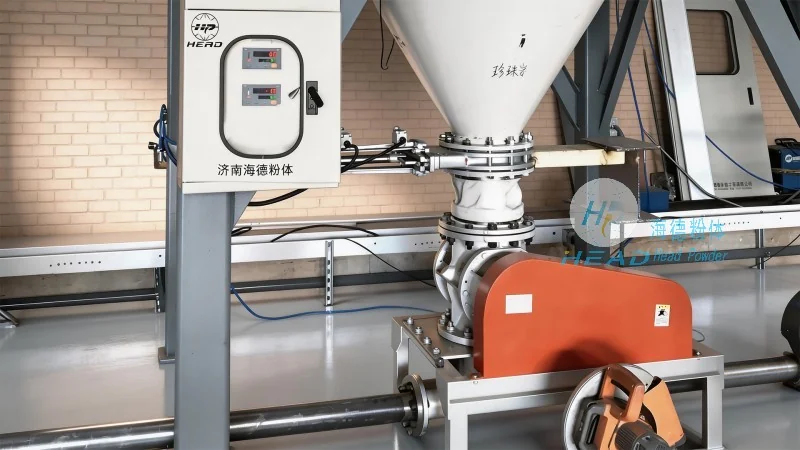
Principles of Pneumatic Conveying for Gypsum and Fly Ash Powders
Pneumatic conveying, also known as air-based material transport, operates by using pressurized or suction air to move bulk materials through a pipeline. For gypsum and fly ash powders, which are typically fine (with particle sizes ranging from 1 to 100 microns) and abrasive, the technology employs specific design considerations to ensure optimal performance. The core principle involves creating a consistent air flow that entrains the powder particles, maintaining a stable suspension to prevent blockages and ensure smooth delivery. Key components include the conveying pipeline (usually made of stainless steel or corrosion-resistant materials to withstand the acidic or alkaline nature of the powders), air movers (such as centrifugal blowers or roots blowers), and feeding mechanisms (like rotary valves or screw feeders) that control the material intake. The system’s efficiency depends on balancing air velocity (typically 20-30 m/s for fine powders), particle size, and pipeline diameter to achieve reliable transport without excessive energy consumption. Proper design also considers the material’s density, moisture content, and flowability to avoid issues like caking or agglomeration.
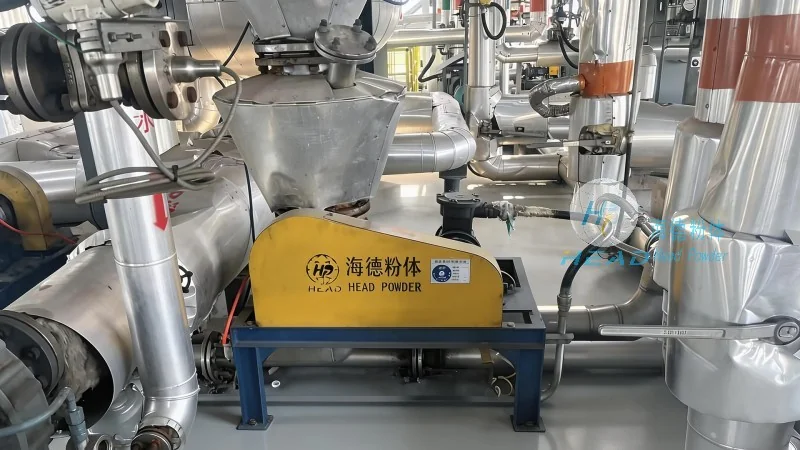
Applications in Industrial Processes
Gypsum and fly ash powders are widely used in construction, power generation, and environmental remediation industries. Pneumatic conveying technology enables their efficient transfer from storage silos, processing units, or waste disposal sites to end-use applications. For instance, in power plants, fly ash is often transported from combustion chambers to storage facilities or to be used as a raw material in cement production. The technology allows for the safe and dust-free movement of fly ash, which is a byproduct of coal combustion, reducing the risk of airborne particulate emissions and improving air quality. In gypsum processing plants, the system facilitates the movement of raw gypsum from quarries to grinding and calcination units, where it is converted into building materials like drywall or plaster. The enclosed nature of pneumatic conveying minimizes dust exposure for workers and prevents contamination of the surrounding environment. Additionally, in environmental applications, such as the handling of fly ash for landfills or reclamation projects, the technology ensures that the material is transported without spillage or contamination, adhering to strict regulatory standards.
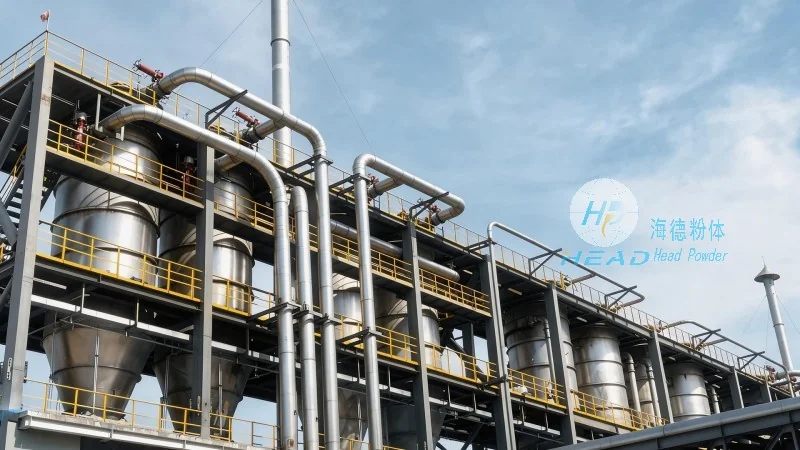
Development Trends and Advancements
Recent advancements in pneumatic conveying technology focus on enhancing energy efficiency, reducing maintenance costs, and improving material handling capabilities. Innovations include the use of high-efficiency blowers with variable speed control, which optimize air flow based on real-time material conditions. For example, variable frequency drives (VFDs) adjust blower speed to match the required air volume, reducing energy consumption by up to 30% compared to traditional constant-speed systems. Additionally, the integration of automation and sensor technology allows for real-time monitoring of pipeline pressure, flow rates, and particle concentration, enabling predictive maintenance and preventing system failures. Sensors such as pressure transducers, flow meters, and particle counters provide data that is analyzed by control systems to adjust the conveying parameters dynamically. Another trend is the development of hybrid systems that combine pneumatic conveying with other transport methods, such as vacuum-assisted or pressure-assisted designs, to address specific material challenges like high moisture content or abrasive properties. These hybrid systems often use a combination of positive and negative pressure to achieve better control over the material flow, especially for materials that are difficult to handle. Furthermore, advancements in material science have led to the development of specialized pipeline materials, such as PTFE-coated stainless steel or ceramic-lined pipes, which resist corrosion and abrasion from the powders, extending the system’s lifespan and reducing maintenance frequency. These advancements ensure that the technology remains adaptable to evolving industrial needs, supporting sustainable and cost-effective material handling solutions.
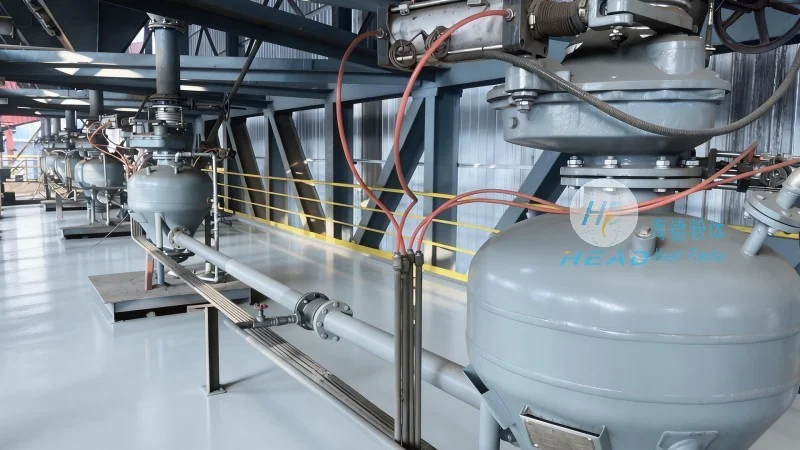
As a specialist in this field, Shandong HeadPowder Engineering Co., Ltd. leverages these technological advancements to design and implement customized pneumatic conveying systems tailored to the unique requirements of each client. The company’s team of experienced engineers uses advanced computational fluid dynamics (CFD) modeling to simulate material flow and optimize system design before installation. This approach ensures that the final system meets the client’s performance targets, such as specific transport rates, pressure drops, and energy consumption. HeadPowder also provides comprehensive after-sales support, including system maintenance, component replacement, and technical training for operators. By combining cutting-edge technology with expert engineering, the company helps industrial clients improve operational efficiency, reduce costs, and enhance environmental compliance in their material handling processes.