

Stearic Acid Sodium Pneumatic Conveying Technology: Principles, Applications, and Development Trends
Shandong HeadPowder Engineering Co., Ltd., a leading provider of material handling solutions, is headquartered in Shandong, China. The company specializes in advanced pneumatic conveying technologies, particularly for handling stearic acid sodium and other fine chemical powders. With a focus on innovation and customer-centric solutions, HeadPowder has established itself as a trusted partner in the chemical industry, delivering efficient and reliable systems that meet the highest standards of performance and safety.
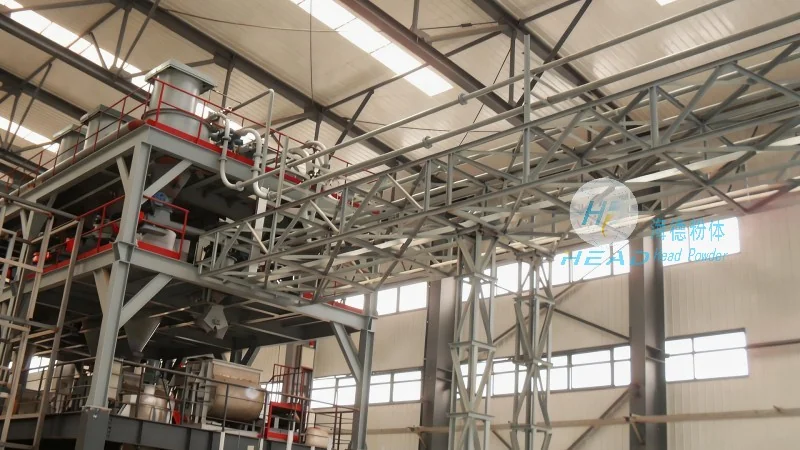
Principles of Pneumatic Conveying for Stearic Acid Sodium
Pneumatic conveying technology operates on the principle of using air to transport bulk materials through a closed pipeline system. For stearic acid sodium, which is a fine powder, the system typically employs positive pressure or vacuum to move the material from a storage silo or hopper to processing equipment or packaging units. The process involves creating a pressure differential that propels the material along the pipeline, often with the aid of airlocks or rotary valves to control the flow rate and prevent backflow. This method eliminates the need for mechanical components like belt conveyors or screw conveyors, reducing maintenance requirements and minimizing the risk of product contamination.
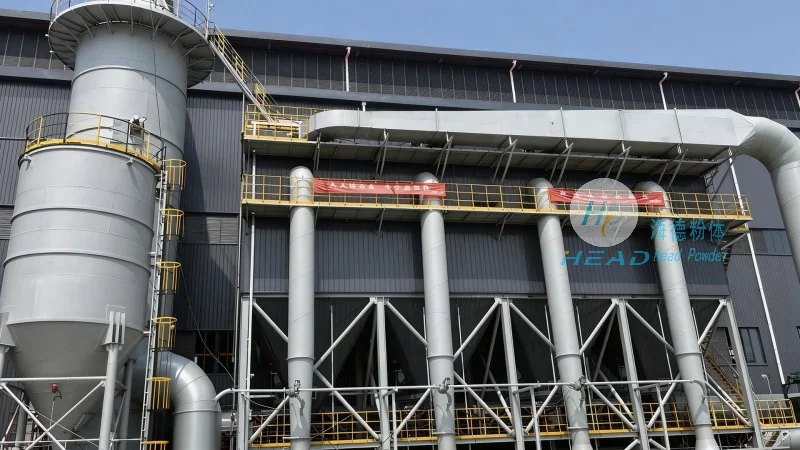
Applications in Industrial Settings
The application of stearic acid sodium pneumatic conveying systems is widespread across various industries, including pharmaceuticals, food processing, and chemical manufacturing. In pharmaceutical production, these systems are crucial for transferring raw materials into GMP-compliant manufacturing lines, ensuring that the material remains free from contaminants and maintains consistent particle size distribution. The technology is also widely used in food industries to handle food-grade stearic acid sodium, where hygiene and product purity are paramount. Additionally, in chemical manufacturing, the system can be integrated into larger production lines to facilitate the transfer of intermediates and final products, improving overall production efficiency.
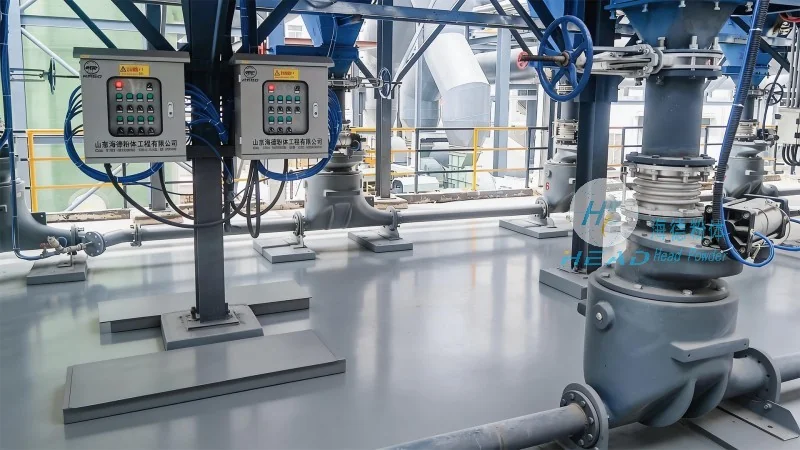
Key Advantages and Benefits
Implementing pneumatic conveying technology for stearic acid sodium offers several key advantages. Firstly, it provides a dust-free and clean transfer process, which is essential for maintaining product quality and compliance with regulatory standards. Secondly, the system reduces the risk of product degradation due to exposure to moisture or air, as the material is enclosed within the pipeline. Thirdly, the technology allows for precise control over the flow rate, enabling manufacturers to adjust the conveying speed based on production needs. This flexibility is particularly valuable in dynamic production environments where demand fluctuates. Furthermore, the use of pneumatic conveying reduces labor costs associated with manual handling and handling equipment, as the system automates the material transfer process.
Technological Developments and Future Trends
The development of stearic acid sodium pneumatic conveying technology continues to evolve, driven by advancements in materials science and automation. Recent innovations include the use of high-efficiency blowers that consume less energy while maintaining optimal conveying performance. Additionally, the integration of sensors and control systems allows for real-time monitoring of the conveying process, enabling operators to detect and address issues promptly. This enhances system reliability and reduces downtime. Another trend is the adoption of sustainable practices, such as the use of recycled materials for pipeline components and energy-efficient motors. These developments not only improve the environmental footprint of the technology but also contribute to cost savings for manufacturers. Looking ahead, the future of pneumatic conveying for stearic acid sodium is likely to involve further integration with digital technologies, such as IoT and artificial intelligence, to optimize system performance and predict maintenance needs.
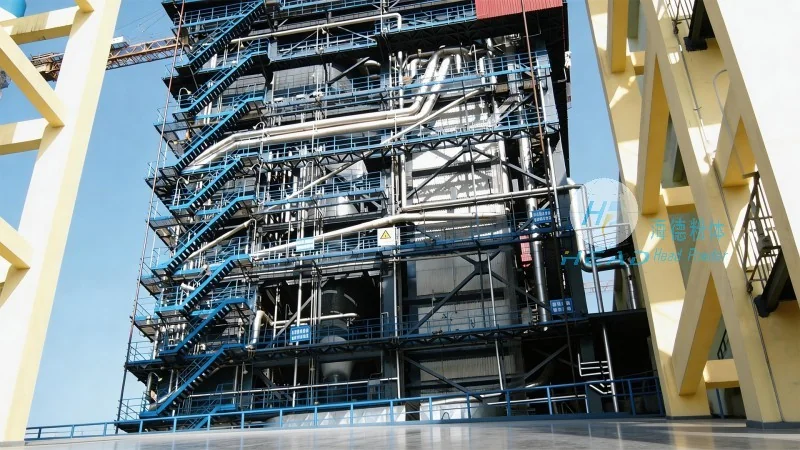
Conclusion
Stearic acid sodium pneumatic conveying technology, as offered by Shandong HeadPowder Engineering Co., Ltd., represents a sophisticated and efficient solution for handling fine chemical powders. By leveraging the principles of pneumatic transport, the technology provides numerous benefits, including improved product quality, reduced operational costs, and enhanced safety. As the chemical industry continues to demand more efficient and sustainable material handling solutions, the development and adoption of advanced pneumatic conveying systems will remain a key focus. With its expertise and commitment to innovation, HeadPowder is well-positioned to meet the evolving needs of the industry, providing reliable and effective solutions for stearic acid sodium and other chemical products.