

[Manganese Sulfate Pneumatic Conveying Technology: In-Depth Analysis of Negative Pressure and Positi
HeadPowder, a leading provider in the field of material handling solutions, specializes in advanced pneumatic conveying technologies for various industrial applications. This article delves into the technical aspects and practical applications of pneumatic conveying systems specifically designed for manganese sulfate, exploring both negative pressure and positive pressure methods.
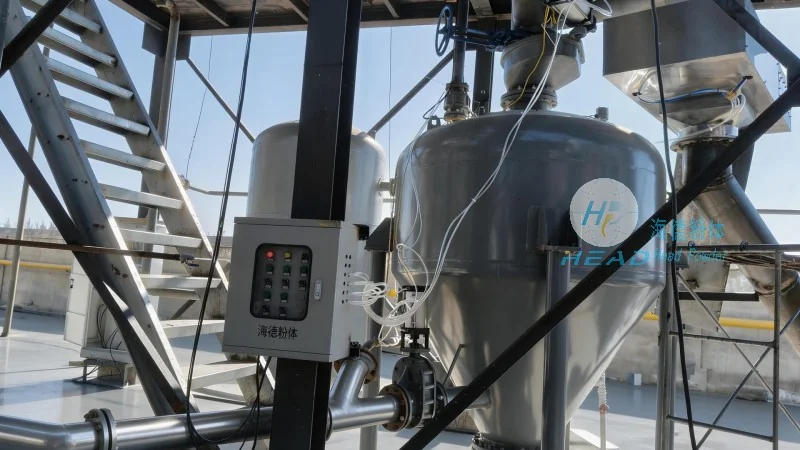
Introduction to Manganese Sulfate Pneumatic Conveying
Manganese sulfate is a critical chemical compound widely used in industries such as battery manufacturing, agriculture, and water treatment. Efficient and reliable material transport is essential to maintain production efficiency and ensure product quality. Pneumatic conveying offers a versatile solution for handling manganese sulfate, particularly in scenarios where traditional bulk handling methods may pose challenges due to dust, moisture, or the need for enclosed transport.
Negative Pressure Pneumatic Conveying Systems
Negative pressure, or vacuum, pneumatic conveying systems operate by creating a low-pressure environment at the material discharge point. This method draws the material from the source into the conveying line using a vacuum pump. The system is particularly effective for conveying materials from elevated or difficult-to-reach locations, as well as for applications requiring gentle handling to prevent product degradation. In the context of manganese sulfate, negative pressure systems are often employed when the material is stored in silos or hoppers at a higher elevation, needing to be transported to processing units or storage areas at lower levels.
The core components of a negative pressure system include a vacuum pump, a filter unit to capture dust and particles, and a conveying line that connects the source and destination. The vacuum pump generates the necessary suction force, while the filter ensures that the conveyed material remains clean and free from contaminants. For manganese sulfate, which can be hygroscopic and prone to caking, the filter design is crucial to maintain material flow and prevent blockages. The system's ability to handle fine powders and prevent dust dispersion makes it a preferred choice in industries where environmental and safety standards are stringent.
Positive Pressure Pneumatic Conveying Systems
Conversely, positive pressure systems use compressed air to push the material through the conveying line. Unlike negative pressure systems, they do not rely on suction but rather on the force generated by the compressed air. This method is ideal for conveying materials from lower to higher elevations or over longer distances, as it provides consistent pressure to maintain material flow. In the case of manganese sulfate, positive pressure systems are commonly used when the material is stored in bulk bins or silos at ground level and needs to be transported to elevated processing equipment or storage facilities.
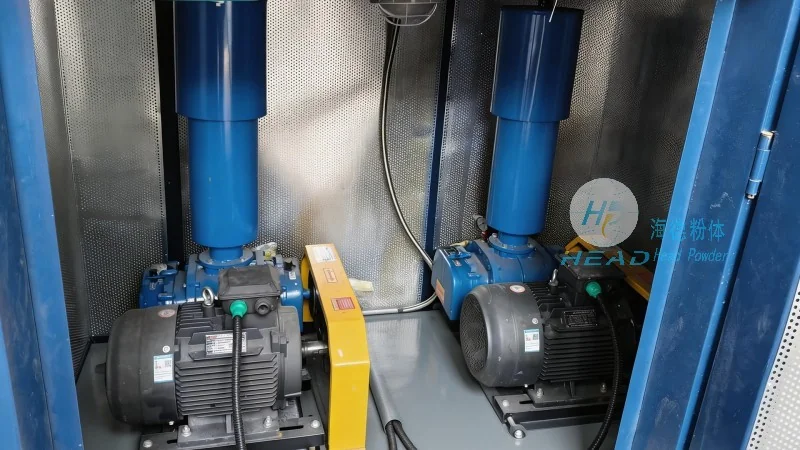
A positive pressure system typically consists of a blower, a material feed hopper, and a conveying line equipped with pressure regulators and check valves. The blower supplies compressed air, which is mixed with the material in the feed hopper, creating a slurry or a dense flow that moves through the line. The pressure regulators control the air pressure to ensure optimal material transport, while check valves prevent backflow and maintain system integrity. For manganese sulfate, which may have varying particle sizes and flow characteristics, the system's design must accommodate these variations to avoid clogging or uneven flow. The use of positive pressure also allows for the integration of additional processing steps, such as drying or mixing, directly within the conveying line.
Comparative Analysis and Application Considerations
When selecting between negative and positive pressure pneumatic conveying systems for manganese sulfate, several factors must be considered. The primary considerations include the material's physical properties, such as particle size, moisture content, and tendency to cake or agglomerate. Negative pressure systems are generally better suited for fine powders and materials that require gentle handling to avoid degradation, while positive pressure systems are more effective for bulk materials and those that can tolerate higher air pressures.
The distance and elevation changes between the source and destination are also critical. For short distances and minimal elevation changes, both systems can be effective, but for longer distances or significant vertical lifts, positive pressure systems may offer better performance due to their ability to maintain consistent pressure. Additionally, the environmental and safety requirements of the facility play a role; negative pressure systems are often preferred in environments where dust control is paramount, as they minimize the risk of airborne particles escaping into the workspace.
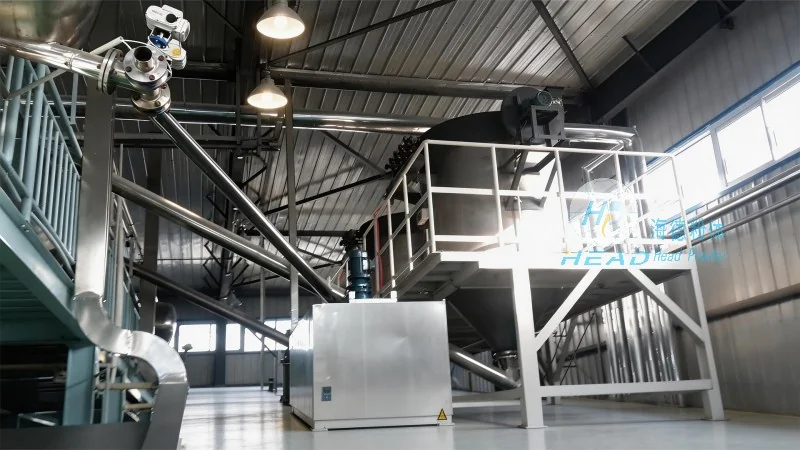
Technical Advantages and Practical Implementation
Both negative and positive pressure pneumatic conveying systems offer distinct advantages for manganese sulfate handling. Negative pressure systems excel in their ability to handle fine powders and prevent dust dispersion, making them suitable for applications where product purity and environmental compliance are critical. They also require less space for installation compared to positive pressure systems, as the vacuum pump and filter are typically located near the discharge point.
Positive pressure systems, on the other hand, provide greater flexibility in terms of material handling, as they can transport a wider range of particle sizes and handle bulkier materials. They are also more efficient for long-distance or high-elevation transport, as the compressed air can maintain a consistent flow rate. However, they require more space for the blower and may generate more noise and vibration, which can be a concern in certain industrial settings.
Implementing a pneumatic conveying system for manganese sulfate involves careful planning and system design. It is essential to consider the material's flow properties, such as its bulk density and angle of repose, to ensure that the system can handle the material without clogging or uneven flow. The choice of conveying line material, such as stainless steel or plastic, is also important to prevent corrosion or material buildup. Regular maintenance, including filter cleaning and pump inspections, is crucial to maintain system efficiency and longevity.
Conclusion
In conclusion, pneumatic conveying technology provides an efficient and reliable solution for handling manganese sulfate in various industrial applications. Whether using negative pressure or positive pressure systems, the choice depends on the specific requirements of the operation, including material properties, distance, and environmental considerations. By understanding the technical nuances of each system and selecting the appropriate configuration, industries can optimize their material handling processes, improve productivity, and ensure compliance with safety and environmental standards.