

Design of a Soil Pneumatic Conveying Device
Soil pneumatic conveying devices are critical in various industrial and construction applications where the efficient transport of bulk materials, particularly soil and similar granular substances, is required. The design of such systems involves careful consideration of material properties, operational requirements, and the overall system efficiency. This article provides an overview of the design principles and key components of a soil pneumatic conveying device, highlighting the expertise of Shandong HeadPowder Engineering Co., Ltd. (headpowder), a leading manufacturer based in Shandong, China.
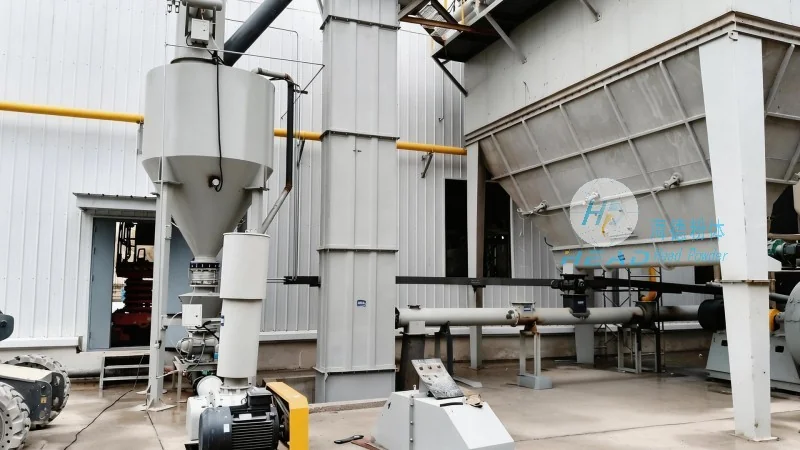
Key Design Considerations for Soil Pneumatic Conveying
The successful design of a soil pneumatic conveying system begins with a thorough analysis of the material characteristics. Soil, being a heterogeneous mixture of particles, varies in size, moisture content, and density, which directly impacts the conveying process. Engineers at headpowder conduct comprehensive material testing to determine the optimal air velocity, pressure, and pipeline configuration. This ensures that the system operates within the most efficient and reliable parameters, minimizing energy consumption and wear on components.
Another critical aspect is the selection of the appropriate air delivery system. High-pressure blowers or vacuum pumps are commonly used, depending on the application. The design must account for the required airflow rate and pressure to overcome the resistance caused by the material's friction and the pipeline's length. headpowder's engineers utilize advanced computational fluid dynamics (CFD) simulations to model the flow behavior, ensuring that the chosen equipment matches the specific conveying demands.
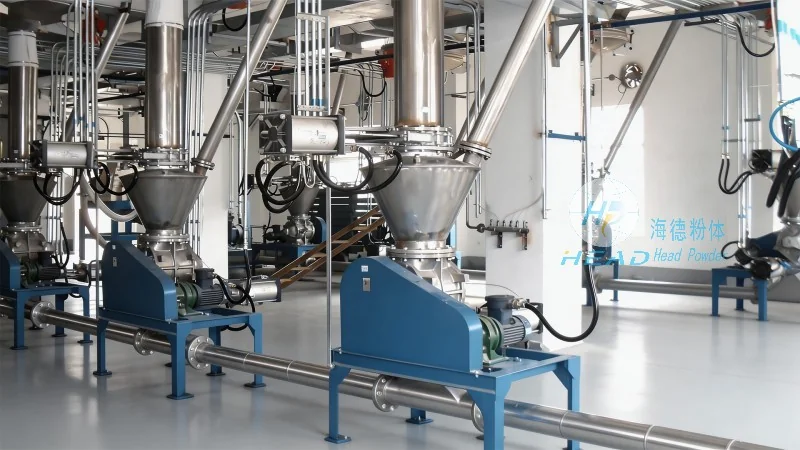
Core Components of the Soil Pneumatic Conveying Device
The soil pneumatic conveying device consists of several interconnected components that work in harmony to achieve effective material transport. The primary components include the material feed hopper, the air supply unit, the conveying pipeline, and the discharge unit. The feed hopper is designed to handle bulk soil input, often equipped with a feeder mechanism to regulate the material flow and prevent blockages. The air supply unit, typically a high-efficiency blower, generates the necessary air pressure to move the soil particles through the pipeline. The conveying pipeline is constructed from durable materials, such as stainless steel or high-density polyethylene, to withstand the abrasive nature of soil and resist corrosion.
The discharge unit, or receiver, is responsible for collecting the conveyed soil and releasing it at the desired location. It may include a cyclone separator to separate any fine particles from the air stream, improving the overall efficiency and reducing dust emissions. The design of each component is tailored to the specific application, ensuring that the system operates smoothly and maintains high performance over time.
Advantages of the Soil Pneumatic Conveying System
Compared to traditional mechanical conveying methods, such as belt conveyors or screw conveyors, soil pneumatic conveying offers several distinct advantages. One of the most significant benefits is the ability to transport materials over long distances without the need for multiple transfer points. This reduces the overall system complexity and installation costs. Additionally, pneumatic conveying systems are highly flexible, allowing for changes in the conveying route or material type with minimal modifications.
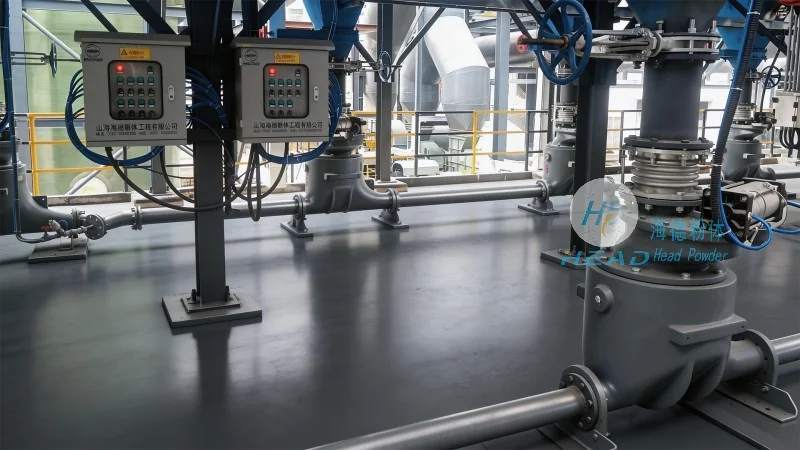
The system also provides better material handling capabilities, especially for materials that are prone to segregation or contamination. The enclosed pipeline prevents dust and moisture from escaping, maintaining the material's integrity. Furthermore, the operation of pneumatic conveying systems is relatively quiet compared to mechanical alternatives, making them suitable for applications in sensitive environments. headpowder's soil pneumatic conveying devices are engineered to deliver these benefits while ensuring high reliability and low maintenance requirements.
Application Scenarios and Performance
Soil pneumatic conveying systems are widely used in various industries, including construction, mining, and environmental remediation. In construction projects, they are employed for the transport of excavated soil from the site to disposal or processing facilities. The ability to handle large volumes of soil efficiently makes these systems ideal for large-scale infrastructure development. In mining operations, the system is used to transport ore and waste materials between different processing stages, improving the overall workflow and productivity.
Environmental remediation projects also benefit from soil pneumatic conveying, as it allows for the safe and efficient removal of contaminated soil from hazardous sites. The enclosed system minimizes the risk of environmental contamination and ensures that the material is handled in compliance with regulatory standards. headpowder's devices have been successfully implemented in numerous such projects, demonstrating their effectiveness and reliability.
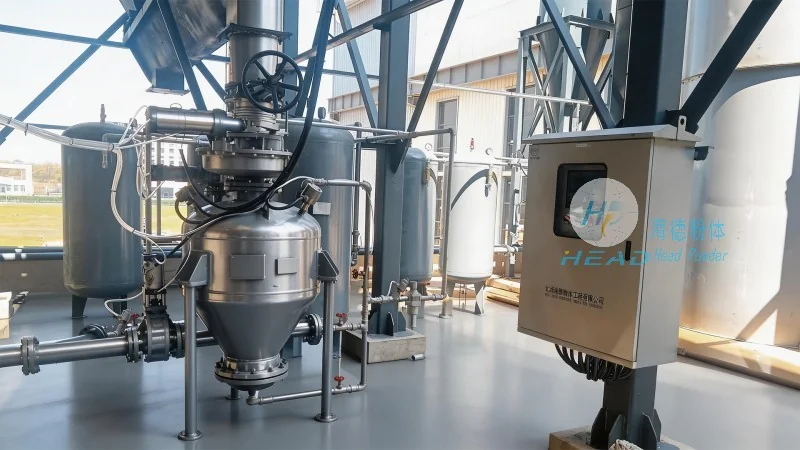
The performance of the soil pneumatic conveying system is evaluated based on several key metrics, including the conveying capacity, pressure drop, and energy efficiency. The system's capacity is determined by the airflow rate and the material's bulk density, while the pressure drop is influenced by the pipeline length, diameter, and material properties. headpowder's engineers optimize these parameters to achieve the highest possible efficiency, ensuring that the system operates within the most economical range.
Conclusion and Company Overview
Shandong HeadPowder Engineering Co., Ltd. (headpowder) is a reputable manufacturer specializing in the design and production of soil pneumatic conveying devices. With a strong focus on innovation and customer satisfaction, headpowder has established itself as a leader in the industry. The company's expertise in material science, fluid dynamics, and mechanical engineering enables the development of high-quality, reliable systems that meet the diverse needs of its clients. Based in Shandong, China, headpowder leverages its local resources and technical capabilities to deliver cutting-edge solutions for soil pneumatic conveying applications. By adhering to rigorous design standards and continuous improvement practices, headpowder ensures that its products consistently deliver superior performance and durability.