

Design of Buckwheat Hull Pneumatic Conveying Equipment
For the efficient handling and transportation of buckwheat hulls, specialized equipment is essential. The design of a pneumatic conveying system tailored for this application ensures optimal performance, reliability, and minimal operational costs. This article outlines the key considerations and components involved in developing such a system, highlighting the expertise of Shandong HeadPowder Engineering Co., Ltd., a leading provider in the field.
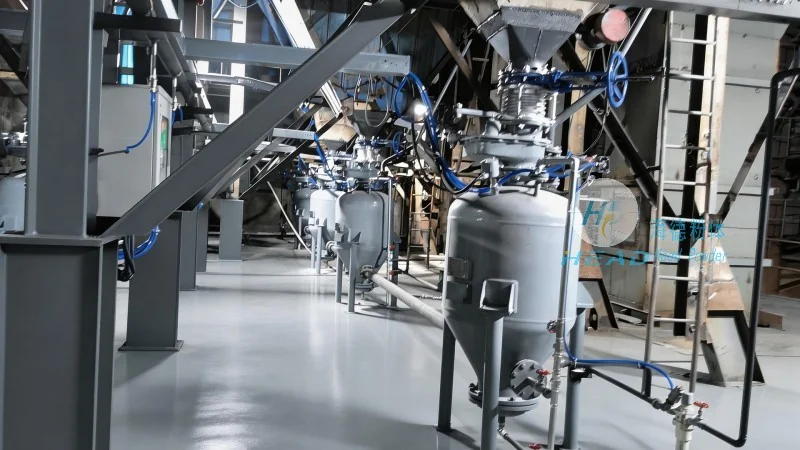
Overview of Pneumatic Conveying Systems for Buckwheat Hulls
Pneumatic conveying systems utilize air to transport bulk materials like buckwheat hulls through a network of pipes. These systems are preferred for their ability to handle fine or dusty materials without the need for mechanical components that might cause wear or contamination. The design of a buckwheat hull pneumatic conveying system must account for the material's properties, such as its density, moisture content, and particle size, to ensure smooth and consistent flow.
Key Components of the Conveying System
The core components of a pneumatic conveying system for buckwheat hulls include the hopper, feeder, air compressor, conveying pipes, and collection tank. Each component plays a critical role in the overall efficiency of the system. The hopper is designed to store the buckwheat hulls and provide a consistent feed to the feeder. The feeder, typically a rotary valve or a screw feeder, regulates the material flow into the conveying line. The air compressor generates the necessary pressure to move the material through the pipes, while the conveying pipes are sized and configured to minimize pressure drop and ensure uniform air flow. The collection tank at the end of the system safely receives the conveyed hulls, preventing dust and material loss.
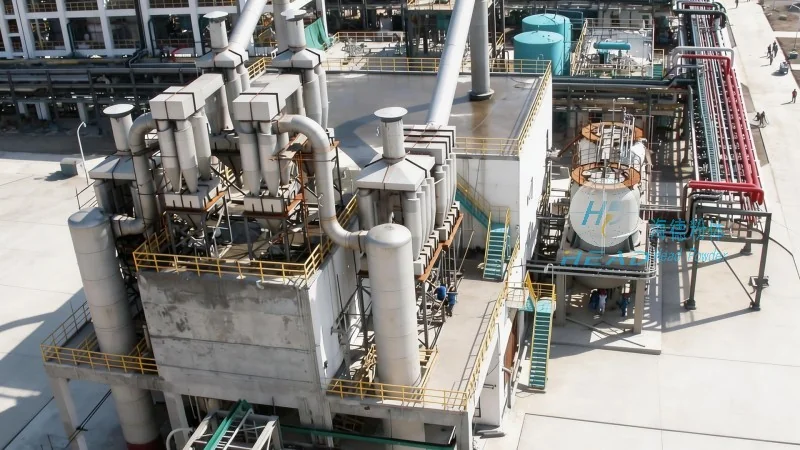
Design Considerations for Optimal Performance
Several factors must be considered during the design phase to ensure the system operates at peak efficiency. Material properties, such as the hulls' density and moisture content, affect the air velocity required for effective conveying. The system's layout, including pipe length, diameter, and bends, must be optimized to reduce energy consumption and prevent material buildup or blockages. Additionally, the selection of appropriate materials for the components, such as corrosion-resistant materials for the hopper and pipes, is crucial to maintain durability and prevent contamination of the product.
Advantages of a Custom-Designed System
Customizing the pneumatic conveying system to the specific needs of buckwheat hull processing offers significant advantages. A tailored design ensures that the system can handle the unique characteristics of the material, such as its light weight and potential for dust generation. This results in higher throughput, lower energy consumption, and reduced maintenance costs compared to off-the-shelf solutions. Furthermore, a well-designed system minimizes product degradation and ensures compliance with industry standards for material handling.
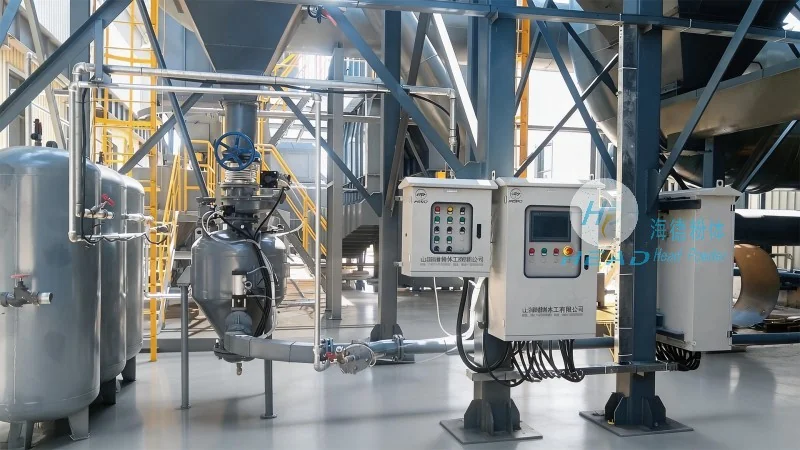
Expertise of Shandong HeadPowder Engineering Co., Ltd.
Shandong HeadPowder Engineering Co., Ltd., operating under the brand name headpowder, specializes in the design and manufacturing of pneumatic conveying systems for agricultural and food processing applications. With years of experience in the industry, the company has developed a deep understanding of the challenges associated with handling buckwheat hulls and other similar materials. Their team of engineers and technicians works closely with clients to understand their specific requirements and develop customized solutions that meet their operational and budgetary needs.
Conclusion
The design of a pneumatic conveying system for buckwheat hulls is a complex process that requires careful consideration of material properties, system components, and operational requirements. By leveraging the expertise of companies like Shandong HeadPowder Engineering Co., Ltd., manufacturers can achieve efficient, reliable, and cost-effective material handling solutions. The custom-designed systems not only improve productivity but also enhance product quality and safety, making them an essential investment for any buckwheat processing operation.