

What Are the Types of Abrasive Sand Conveying? An Introduction to HeadPowder's Abrasive Sand Pneumatic Conveying System
When it comes to handling abrasive sand, selecting the right conveying method is crucial for ensuring efficiency, safety, and equipment longevity. Abrasive sand, such as silica sand or other high-abrasion materials, poses unique challenges during material transport due to its hardness and abrasive properties. Traditional methods like belt conveyors or screw conveyors may not be suitable for abrasive sand because they can quickly wear out and require frequent maintenance. This is where specialized conveying systems, particularly pneumatic conveying, become essential. In this article, we will explore the different types of abrasive sand conveying methods and focus on the advanced solutions offered by Shandong HeadPowder Engineering Co., Ltd., commonly known as HeadPowder.
Understanding Abrasive Sand and Its Conveying Challenges
Abrasive sand, often used in industries like foundries, glass manufacturing, and construction, is characterized by its high hardness and abrasive nature. These properties make it difficult to transport without causing significant wear on equipment. Traditional mechanical conveyors, while common for other materials, are prone to rapid degradation when handling abrasive sand. The constant friction and impact can lead to increased maintenance costs, downtime, and reduced operational efficiency. Therefore, specialized conveying systems are necessary to mitigate these challenges and ensure reliable material transport.
Types of Abrasive Sand Conveying Methods
There are several common methods used for conveying abrasive sand, each with its own advantages and limitations. The primary types include:
1. Pneumatic Conveying Systems
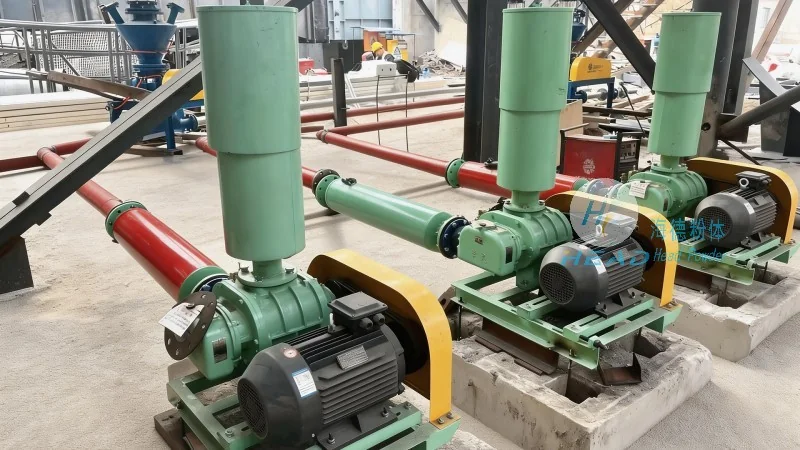
Pneumatic conveying, also known as air conveying, is a widely used method for transporting abrasive sand due to its ability to handle high-abrasion materials efficiently. This system uses compressed air to move the sand through a pipeline, eliminating the need for mechanical components that are susceptible to wear. Pneumatic conveying can be further categorized into pressure and vacuum systems, each suitable for different applications and material characteristics.
2. Mechanical Conveyors
Mechanical conveyors, such as belt conveyors and screw conveyors, are traditional options for material transport. However, their suitability for abrasive sand is limited. Belt conveyors can suffer from rapid belt wear and slippage, while screw conveyors may experience increased friction and material buildup in the screw and housing. These issues lead to higher maintenance requirements and shorter service life compared to pneumatic systems.
3. Hydraulic Conveying
Hydraulic conveying uses water or other fluids to transport abrasive sand. While effective for certain applications, hydraulic systems require additional equipment for fluid management and can be less efficient for long-distance transport. They also introduce the risk of water contamination and require regular cleaning and maintenance.
HeadPowder's Pneumatic Conveying Solutions for Abrasive Sand
Shandong HeadPowder Engineering Co., Ltd., a leading manufacturer in the field, specializes in developing advanced pneumatic conveying systems tailored for abrasive sand applications. HeadPowder's solutions are designed to address the unique challenges associated with handling high-abrasion materials, ensuring reliable and efficient transport. The company's expertise lies in customizing systems to meet specific operational requirements, including material flow rates, distance, and environmental conditions.
Key Features of HeadPowder's Abrasive Sand Pneumatic Conveying System
HeadPowder's pneumatic conveying system for abrasive sand incorporates several key features that enhance performance and durability:
1. High-Pressure Air Systems
HeadPowder utilizes high-pressure air systems to ensure efficient material transport over longer distances. These systems are capable of handling high volumes of abrasive sand while maintaining consistent flow rates. The high-pressure design minimizes the risk of material clogging and ensures smooth operation, even with challenging material characteristics.
2. Wear-Resistant Components
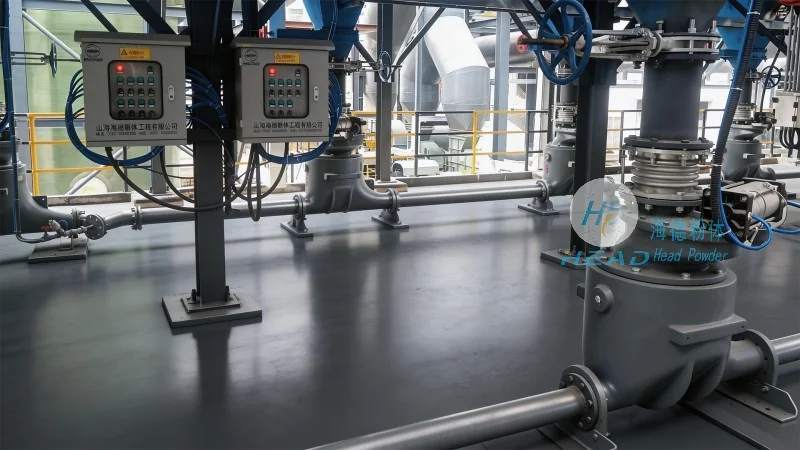
To withstand the abrasive nature of sand, HeadPowder's systems are equipped with wear-resistant components, such as special alloys and coatings. These components are designed to reduce wear and extend the service life of the equipment. By using materials that can resist abrasion, the system minimizes maintenance needs and reduces downtime, contributing to overall operational efficiency.
3. Customizable Pipeline Design
HeadPowder offers customizable pipeline designs to suit specific application needs. The system can be configured with different pipe diameters, lengths, and configurations to accommodate various operational requirements. This flexibility allows for optimal material flow and minimizes energy consumption, making the system both efficient and cost-effective.
Benefits of Choosing HeadPowder's Abrasive Sand Conveying System
Implementing HeadPowder's pneumatic conveying system for abrasive sand offers several benefits for industrial operations:
1. Enhanced Equipment Longevity
By reducing wear and tear on equipment, HeadPowder's system extends the service life of conveying components. This leads to lower maintenance costs and fewer replacement parts, resulting in long-term cost savings.
2. Improved Operational Efficiency
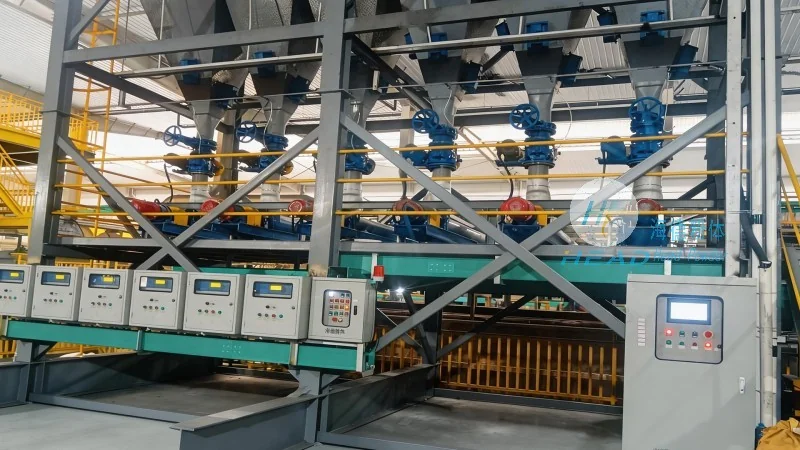
The efficient material transport provided by the system ensures consistent production rates and reduces downtime. This translates to higher productivity and better overall operational performance.
3. Reduced Maintenance Requirements
With wear-resistant components and efficient design, the system requires less frequent maintenance. This reduces labor costs and allows for more time to focus on core business activities.
4. Environmental Benefits
Pneumatic conveying systems are generally more environmentally friendly compared to traditional methods, as they do not involve the use of lubricating oils or other hazardous materials. This makes them a sustainable choice for industrial applications.
Conclusion
When considering abrasive sand conveying methods, it is clear that pneumatic systems, particularly those offered by Shandong HeadPowder Engineering Co., Ltd., provide superior performance and durability. By addressing the unique challenges of abrasive materials and incorporating advanced design features, HeadPowder's solutions ensure reliable and efficient material transport. For industries dealing with abrasive sand, investing in a specialized pneumatic conveying system from HeadPowder is a strategic choice that enhances operational efficiency, reduces costs, and ensures long-term equipment reliability.