

Types of Stone Coal Conveying Methods? An Introduction to HeadPowder's Pneumatic Stone Coal Conveying System
When it comes to transporting stone coal, selecting the right conveying method is crucial for efficiency, cost-effectiveness, and operational safety. Stone coal, also known as coke or coal tar residue, is a byproduct of the coking process used in the production of steel and other industrial applications. Its handling requires specialized equipment due to its abrasive nature and the need to minimize dust and environmental impact. Traditional conveying methods, such as belt conveyors or screw conveyors, often struggle with the challenges posed by stone coal, including material buildup, equipment wear, and dust emissions. This has led to the development of more advanced solutions, with pneumatic conveying systems emerging as a preferred choice for many industries.
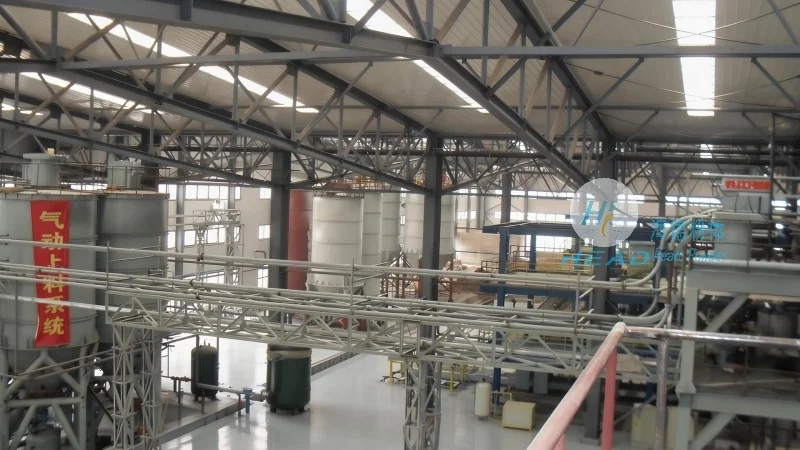
Understanding Stone Coal and Its Conveying Challenges
Stone coal, a solid waste product from the coking industry, consists of carbonaceous materials and inorganic impurities. Its characteristics, such as high density, abrasive particles, and tendency to generate dust, make conventional bulk material handling equipment less effective. Traditional methods like gravity or mechanical conveyors may suffer from frequent maintenance, material blockages, and environmental compliance issues. For example, belt conveyors can experience wear and tear from the abrasive nature of stone coal, while screw conveyors may face clogging due to the material's sticky or cohesive properties. These challenges highlight the need for innovative conveying solutions that address the unique demands of stone coal transportation.
HeadPowder's Pneumatic Stone Coal Conveying System: A Comprehensive Solution
Shandong HeadPowder Engineering Co., Ltd., a leading provider of industrial conveying systems, offers a cutting-edge pneumatic stone coal conveying system designed to overcome the limitations of traditional methods. This system utilizes air pressure to transport stone coal from the source to the destination, eliminating the need for mechanical components that are prone to wear and failure. The core of the system includes a high-capacity air compressor, a series of flexible ducts, and a receiver tank equipped with filtration and separation mechanisms. The air compressor generates the necessary pressure to move the material through the ducts, while the receiver tank collects the stone coal and separates it from the air, ensuring a clean and efficient process.
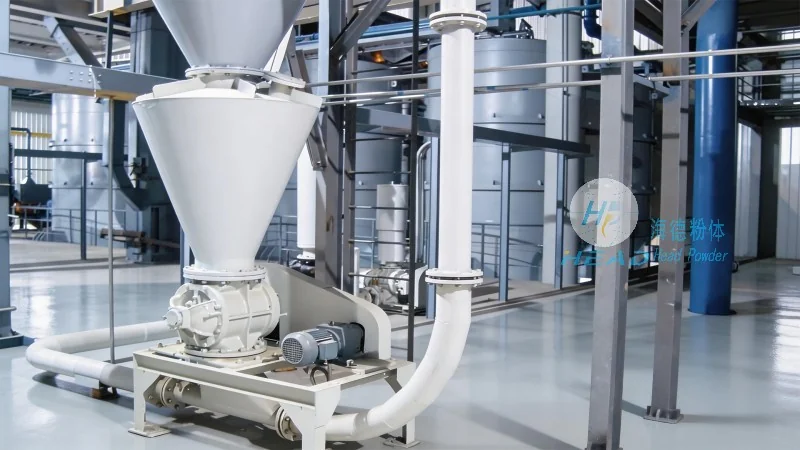
Key Advantages of HeadPowder's Pneumatic Conveying System
Compared to traditional conveying methods, HeadPowder's pneumatic stone coal conveying system offers several significant advantages. First, it provides a dust-free operation, which is critical for maintaining a safe and healthy working environment. The enclosed system prevents dust from being released into the air, reducing the risk of respiratory issues and environmental contamination. Second, the system is highly efficient in terms of material handling capacity, with the ability to transport large volumes of stone coal over long distances with minimal energy consumption. This efficiency translates into lower operational costs and increased productivity for industrial facilities. Third, the system is low-maintenance, as it has fewer moving parts compared to mechanical conveyors. The absence of belts, screws, or rollers reduces the need for frequent repairs and replacements, resulting in lower maintenance costs and longer equipment lifespan. Additionally, the system is flexible and can be easily integrated into existing industrial setups, adapting to various production requirements and layouts.
How the Pneumatic System Works: A Step-by-Step Overview
The operation of HeadPowder's pneumatic stone coal conveying system involves several key steps. First, the stone coal is loaded into the source hopper, where it is fed into the system. The air compressor then generates high-pressure air, which is introduced into the conveying ducts. The air flows through the ducts, carrying the stone coal particles along with it. The material is transported to the receiver tank, where the air and stone coal are separated. The air is discharged through a filter, while the stone coal is collected in the tank and can be discharged to the next processing stage. This process is continuous and automated, ensuring a smooth and consistent flow of material. The system can be configured in various modes, such as positive pressure or negative pressure, depending on the specific application and distance requirements. The positive pressure mode is commonly used for long-distance conveying, as it provides better control over the material flow and reduces the risk of clogging. The negative pressure mode is suitable for short-distance conveying or when the material needs to be transported from a higher to a lower elevation.
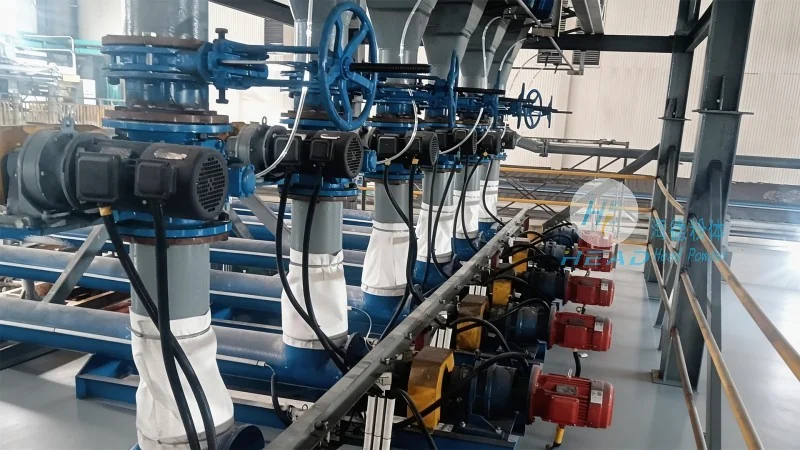
Applications and Industries Benefiting from the System
HeadPowder's pneumatic stone coal conveying system is widely used in various industries that rely on stone coal as a raw material or byproduct. The primary applications include the coking industry, where stone coal is transported from the coking ovens to storage or processing facilities. Other industries that benefit from this system include steel manufacturing, chemical processing, and waste management. For example, in steel plants, the system is used to transport stone coal from the coke ovens to the coke storage yard, where it can be further processed or used as a fuel source. In chemical plants, the system helps in the transportation of stone coal from the coking process to the waste treatment facilities, ensuring proper disposal and environmental compliance. The versatility of the system makes it suitable for a wide range of industrial applications, providing a reliable and efficient solution for stone coal handling.
Conclusion: Choosing the Right Conveying Method for Stone Coal
In conclusion, the choice of stone coal conveying method significantly impacts the efficiency and sustainability of industrial operations. Traditional methods have limitations that can lead to increased costs, maintenance issues, and environmental concerns. HeadPowder's pneumatic stone coal conveying system offers a superior alternative, addressing the unique challenges of stone coal transportation with its advanced technology and design. By providing a dust-free, efficient, and low-maintenance solution, the system helps industrial facilities improve their productivity, reduce operational costs, and comply with environmental regulations. For companies in the coking, steel, and chemical industries, investing in a pneumatic conveying system from HeadPowder is a strategic decision that ensures long-term operational success and environmental responsibility. With its commitment to quality and innovation, Shandong HeadPowder Engineering Co., Ltd. continues to lead the way in providing cutting-edge solutions for industrial material handling, helping businesses achieve their goals while minimizing their environmental footprint.