

Sodium Bicarbonate Pneumatic Conveying Equipment: Structure and Principle of Powder Handling Systems
Understanding the design and functionality of sodium bicarbonate pneumatic conveying equipment is crucial for industries that rely on efficient powder handling. This article provides an in-depth look at the components, operational principles, and practical applications of such systems, with a focus on the engineering solutions offered by Shandong HeadPowder Engineering Co., Ltd., a leading manufacturer based in China.
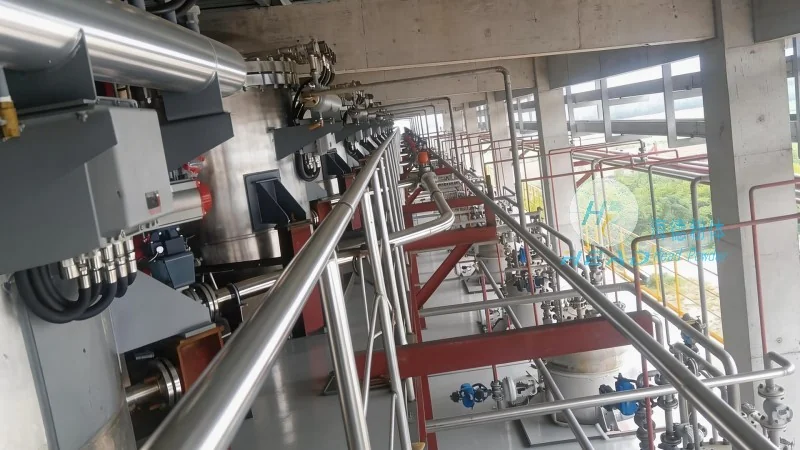
Overview of Pneumatic Conveying Technology for Sodium Bicarbonate
Pneumatic conveying systems are widely used in the chemical and food processing industries to transport dry powders like sodium bicarbonate. These systems utilize air or other gases to move materials through a pipeline, offering advantages such as dust control, flexibility in layout, and the ability to handle materials in a closed environment. For sodium bicarbonate, which is a common leavening agent and industrial chemical, reliable and efficient transport is essential to maintain product quality and ensure smooth production processes.
Key Components of the Pneumatic Conveying System
The core components of a sodium bicarbonate pneumatic conveying system typically include a hopper for material storage, a feeder to control the flow rate, a conveying line (often with bends and filters), and a receiver to collect the material at the destination. The hopper is designed to accommodate bulk storage of sodium bicarbonate, ensuring a consistent feed to the feeder. The feeder, which may be a rotary valve or a screw feeder, regulates the material flow into the conveying line, preventing blockages and maintaining system efficiency. The conveying line is usually made of stainless steel or other corrosion-resistant materials to handle the chemical properties of sodium bicarbonate. Filters are installed at strategic points to capture any fine particles and prevent them from entering the system or the final product, ensuring product purity. The receiver at the end of the line collects the transported sodium bicarbonate, often with a discharge valve to control the release of material.
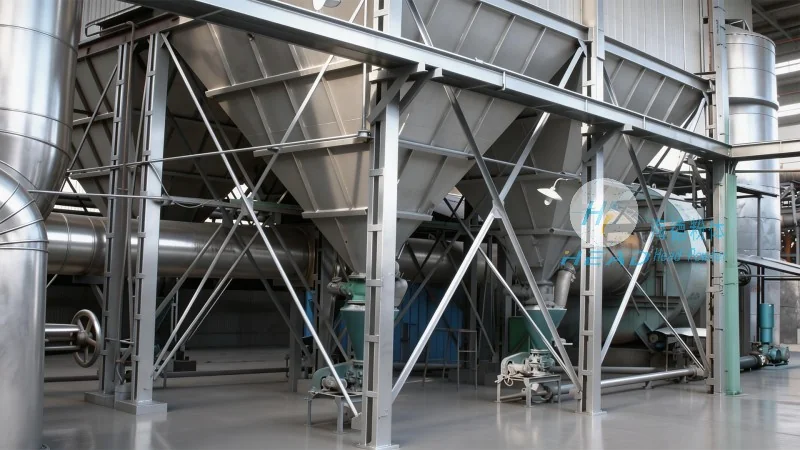
Operational Principles and Flow Control
The operation of a pneumatic conveying system for sodium bicarbonate involves creating a pressure differential between the inlet and outlet of the conveying line. This is achieved by using a blower or compressor to generate airflow, which draws the sodium bicarbonate from the hopper and propels it through the pipeline. The flow rate and pressure are carefully controlled to ensure that the material moves smoothly without causing excessive wear on the system components. For sodium bicarbonate, which has a relatively low density compared to other powders, the system may require higher air velocities to maintain consistent transport. The control system, often integrated with sensors and valves, monitors the pressure, flow rate, and material level, adjusting the operation in real-time to optimize performance and prevent system failures.
Advantages of Using Pneumatic Conveying for Sodium Bicarbonate
Compared to traditional mechanical conveying methods, pneumatic systems offer several benefits for sodium bicarbonate transport. These include reduced dust exposure, which is critical for maintaining product quality and worker safety. The closed system also prevents contamination from external sources, ensuring that the sodium bicarbonate remains pure throughout the transport process. Additionally, pneumatic conveying allows for flexible system layouts, as the pipeline can be routed around obstacles or integrated into existing production facilities. This flexibility is particularly valuable in facilities where space is limited or where production lines need to be reconfigured. Another advantage is the ability to handle varying material characteristics, such as different particle sizes or moisture content, without significant modifications to the system. For sodium bicarbonate, which may be used in various forms (e.g., granules, powders), the system can be adjusted to accommodate these differences, ensuring consistent performance.
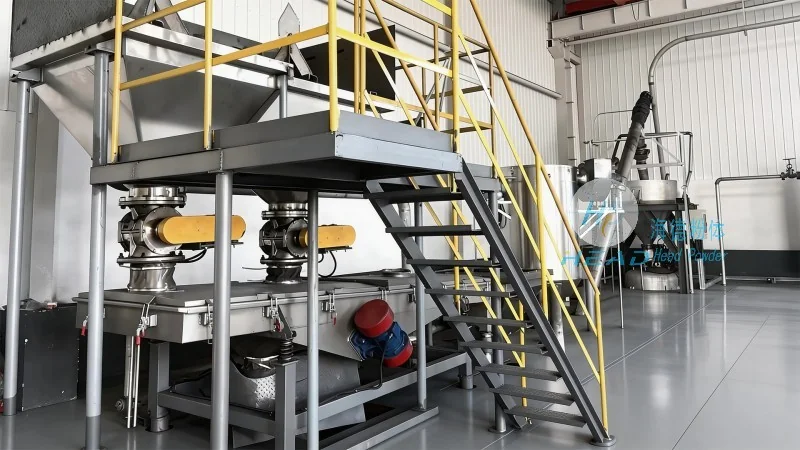
Application Examples and Industry Use Cases
Sodium bicarbonate pneumatic conveying systems are commonly used in food processing, pharmaceutical manufacturing, and chemical production. In the food industry, these systems are used to transport baking soda for bread and cake production, ensuring that the powder is delivered to mixing and baking equipment without contamination. In pharmaceutical applications, the systems are used to move sodium bicarbonate for use in drug formulations, where purity and consistency are paramount. In chemical manufacturing, the systems are used to transport the material for industrial processes, such as in the production of other chemicals or as a raw material in manufacturing plants. The systems are also used in research and development laboratories to handle small quantities of sodium bicarbonate for testing and analysis.
Engineering Solutions by Shandong HeadPowder Engineering Co., Ltd.
Shandong HeadPowder Engineering Co., Ltd., based in China, specializes in the design, manufacturing, and installation of pneumatic conveying systems for various powders, including sodium bicarbonate. The company leverages years of experience in powder handling technology to develop customized solutions that meet the specific needs of each client. Their engineering team works closely with clients to understand their production requirements, material characteristics, and operational constraints, ensuring that the final system is optimized for efficiency, reliability, and cost-effectiveness. The company uses high-quality materials and advanced manufacturing techniques to produce components that are durable and resistant to corrosion, which is essential for handling sodium bicarbonate and other chemicals. Additionally, HeadPowder provides comprehensive after-sales support, including maintenance services and technical assistance, to ensure that the systems operate at peak performance throughout their service life.