

Principle of Cement Clinker Pneumatic Conveying Equipment
HeadPowder, a leading manufacturer based in Shandong, China, specializes in the design and production of cement clinker pneumatic conveying equipment. This article delves into the fundamental principles behind this technology, highlighting how it efficiently transports clinker, a key raw material in cement production, from storage silos to production lines.
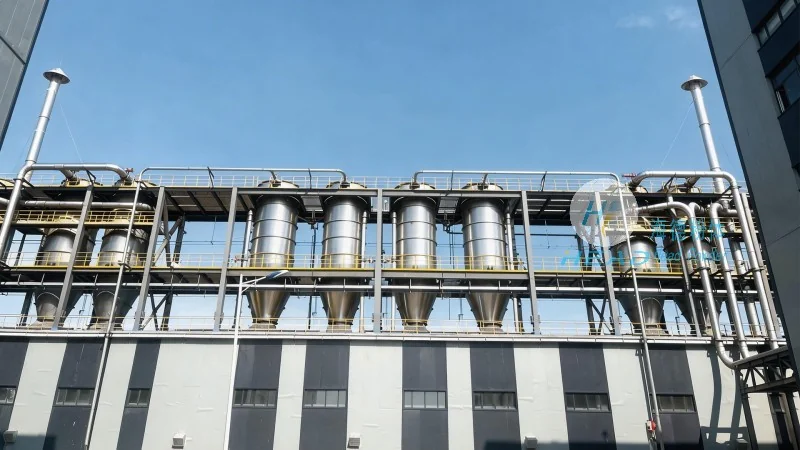
Clincher Pneumatic Conveying: Core Principles and Working Mechanism
The pneumatic conveying system for cement clinker operates on the principle of using air as a medium to transport bulk materials. Unlike traditional mechanical conveying methods, which rely on belts or buckets, pneumatic systems utilize pressure differentials to move clinker particles through pipelines. The process typically involves a feeding hopper, a blower or compressor to generate airflow, and a series of pipelines that guide the material to its destination. As clinker enters the hopper, it is drawn into the pipeline by the moving air, creating a dense phase flow where particles are suspended and transported efficiently. This method is particularly effective for handling abrasive and high-density materials like cement clinker, ensuring minimal wear on equipment and maintaining product integrity.
Key Components of Cement Clinker Pneumatic Conveying Systems
At the heart of a pneumatic conveying system for cement clinker are several critical components that work in tandem to ensure reliable operation. The feeding mechanism, often a rotary valve or a surge bin, controls the flow of clinker from the storage silo into the system. The air mover, which can be a positive displacement blower or a centrifugal fan, provides the necessary pressure and airflow to transport the material. The pipeline network, constructed from durable materials such as stainless steel or special alloys, is designed to withstand the abrasive nature of clinker and maintain low pressure drop. Additionally, the system includes control valves, filters, and dust collectors to manage airflow, prevent material buildup, and ensure environmental compliance. Each component is engineered to optimize performance, minimize downtime, and extend the lifespan of the equipment.
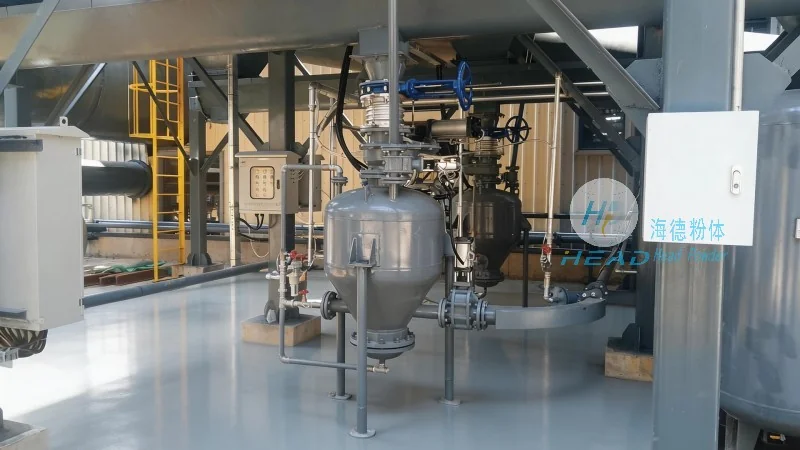
Advantages of Pneumatic Conveying for Cement Clinker Handling
Compared to traditional conveying methods, pneumatic systems offer several advantages that make them ideal for cement clinker handling. First, they provide a completely enclosed and dust-free environment, which enhances safety and reduces the risk of material contamination. This is particularly important in industrial settings where dust can be a health hazard or cause quality issues in the final cement product. Second, pneumatic conveying is highly flexible, allowing for the integration of multiple storage and processing points without the need for extensive reconfiguration of the system. The ability to route clinker to different production lines or storage areas with minimal adjustments makes it a versatile solution for modern cement plants. Third, the system is energy-efficient, as it minimizes the need for additional mechanical components and reduces energy consumption compared to belt conveyors. Finally, the enclosed design reduces maintenance requirements, as there are fewer moving parts exposed to the abrasive clinker, leading to lower operational costs over time.
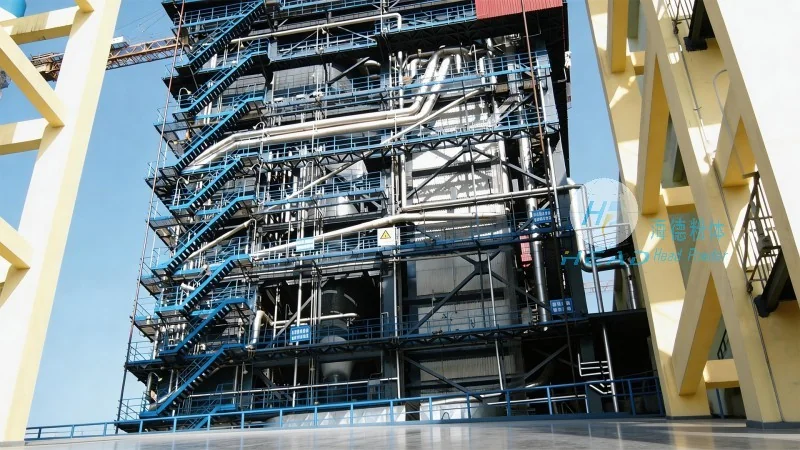
Applications and Industrial Use Cases
Cement clinker pneumatic conveying systems are widely used in the cement industry for various applications. The most common use is transporting clinker from large storage silos to the cement grinding mills, where it is mixed with other raw materials to produce cement. This process is critical for maintaining consistent quality and production rates. Additionally, the systems are used to transfer clinker between different production lines or to secondary storage facilities, enabling efficient material management and inventory control. In some cases, pneumatic conveying is also employed to transport clinker to off-site locations, such as construction sites or distribution centers, where it is used as a raw material for other applications. The versatility of the system makes it adaptable to various industrial scenarios, from small-scale cement plants to large-scale production facilities.
HeadPowder's Expertise in Cement Clinker Pneumatic Conveying Equipment
Shandong HeadPowder Engineering Co., Ltd., based in Shandong, China, is a trusted provider of high-quality cement clinker pneumatic conveying equipment. With years of experience in the industry, HeadPowder specializes in designing and manufacturing systems that meet the specific needs of cement manufacturers. The company's team of engineers and technicians work closely with clients to understand their production requirements and develop customized solutions that optimize performance and efficiency. HeadPowder's equipment is known for its durability, reliability, and ease of maintenance, ensuring that clients can operate their systems with minimal downtime. The company also provides comprehensive after-sales support, including installation, training, and technical assistance, to ensure that clients can maximize the benefits of their investment. By leveraging advanced technology and rigorous quality control, HeadPowder delivers solutions that enhance the productivity and profitability of cement plants worldwide.