

Phenolic Resin Conveying Methods: HeadPowder's Pneumatic Conveying Solutions
Phenolic resin, a widely used thermosetting polymer in various industrial applications, often presents unique challenges during material handling and transportation. Traditional methods such as belt conveyors or bucket elevators may struggle with the abrasive and sticky nature of phenolic resin, leading to equipment wear, product degradation, and operational inefficiencies. To address these challenges, many industries are turning to pneumatic conveying systems, which offer a more efficient and reliable alternative for transporting phenolic resin. This article explores the different phenolic resin conveying methods available and highlights the advanced solutions provided by Shandong HeadPowder Engineering Co., Ltd., commonly known as HeadPowder, based in Shandong, China.
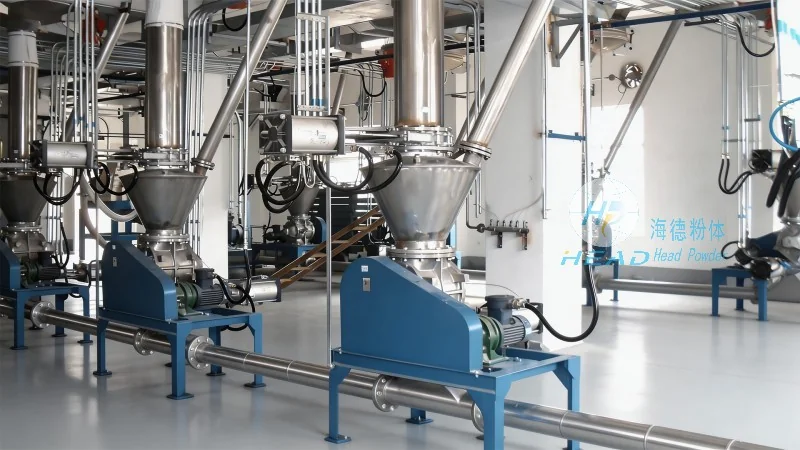
Understanding Phenolic Resin and Its Conveying Challenges
Phenolic resin, also known as phenol-formaldehyde resin, is a synthetic polymer derived from phenol and formaldehyde. It is commonly used in applications like adhesives, coatings, and composites due to its excellent heat resistance, electrical insulation properties, and mechanical strength. However, the physical characteristics of phenolic resin, including its high density, abrasive particles, and tendency to agglomerate, make it difficult to handle using conventional bulk material handling equipment. Traditional belt conveyors, for instance, may experience increased wear and tear from the abrasive nature of the resin, while bucket elevators can struggle with the sticky and cohesive properties that cause material buildup and blockages. These challenges not only increase maintenance costs but also reduce overall production efficiency, making it essential to explore more effective conveying solutions.
Traditional Conveying Methods and Their Limitations
Before delving into advanced pneumatic conveying systems, it is important to understand the limitations of traditional phenolic resin conveying methods. Belt conveyors, while widely used for bulk material transport, are prone to issues such as belt slippage, material spillage, and increased friction due to the abrasive nature of phenolic resin. This can lead to higher energy consumption and more frequent belt replacement, increasing operational costs. Bucket elevators, another common option, rely on mechanical components that can suffer from wear and tear when handling abrasive materials like phenolic resin. The sticky and cohesive properties of the resin can cause material to adhere to the buckets or the elevator casing, leading to blockages and downtime. Additionally, both belt conveyors and bucket elevators require regular cleaning and maintenance to prevent material buildup, which can disrupt production schedules and increase labor costs. These limitations highlight the need for more robust and efficient conveying solutions that can handle the unique challenges of phenolic resin.
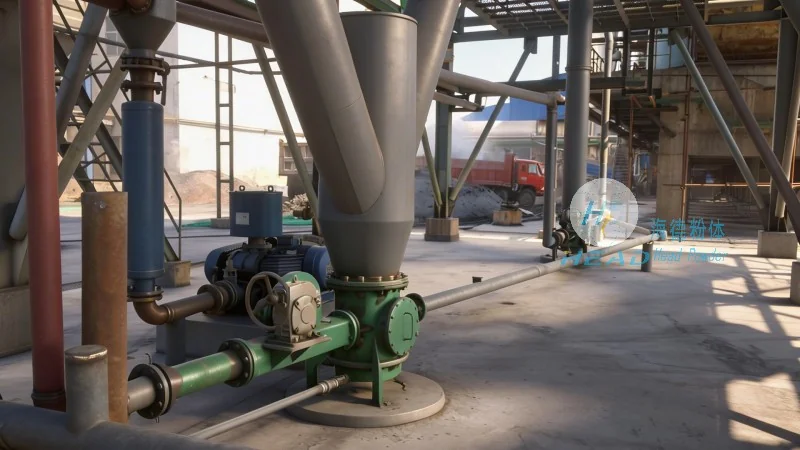
Pneumatic Conveying: The Preferred Solution for Phenolic Resin
Pneumatic conveying systems offer a superior alternative to traditional methods for transporting phenolic resin. By using air pressure or vacuum to move material through a pipeline, these systems can effectively handle the abrasive, sticky, and cohesive properties of phenolic resin without the need for mechanical components that are prone to wear and tear. There are two main types of pneumatic conveying systems: pressure and vacuum. Pressure systems use compressed air to push material through the pipeline, while vacuum systems use a vacuum to draw material into the pipeline. Both types can be customized to meet the specific requirements of phenolic resin applications, including the material's flow characteristics, particle size, and the distance to be conveyed.
HeadPowder's Pneumatic Conveying Solutions for Phenolic Resin
Shandong HeadPowder Engineering Co., Ltd., a leading manufacturer of pneumatic conveying systems, specializes in providing customized solutions for phenolic resin handling. HeadPowder's expertise lies in designing and manufacturing high-quality pneumatic conveying equipment that is specifically tailored to the unique challenges of phenolic resin. The company's solutions are designed to ensure efficient, reliable, and cost-effective transportation of phenolic resin, while minimizing equipment wear and maintenance requirements. HeadPowder's pneumatic conveying systems are equipped with advanced features such as variable speed drives, which allow for precise control of material flow rates, and high-efficiency filters, which ensure that the conveyed material remains clean and free from contaminants. These features help to improve the overall performance of the system and extend its operational life.
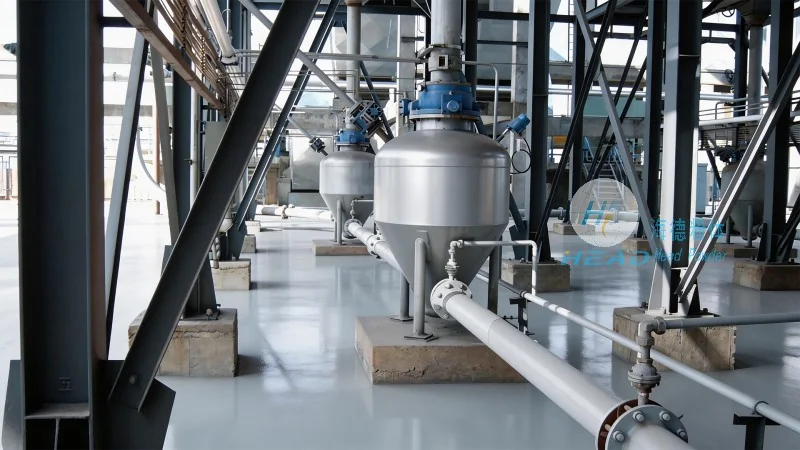
Key Features of HeadPowder's Phenolic Resin Conveying Systems
HeadPowder's pneumatic conveying systems for phenolic resin are designed with several key features that make them ideal for industrial applications. One of the most important features is the use of stainless steel or corrosion-resistant materials in the construction of the conveying pipelines and components. This is crucial for phenolic resin, which can be acidic or have other corrosive properties that can damage traditional metal components over time. The use of stainless steel ensures that the system remains durable and long-lasting, even when handling abrasive and corrosive materials. Another key feature is the incorporation of wear-resistant liners in the conveying pipelines and components. These liners are designed to withstand the abrasive nature of phenolic resin, reducing the risk of wear and tear and extending the lifespan of the system. Additionally, HeadPowder's systems are equipped with advanced control systems that allow for real-time monitoring and adjustment of the conveying process. This helps to optimize the system's performance and ensure that it operates at peak efficiency.
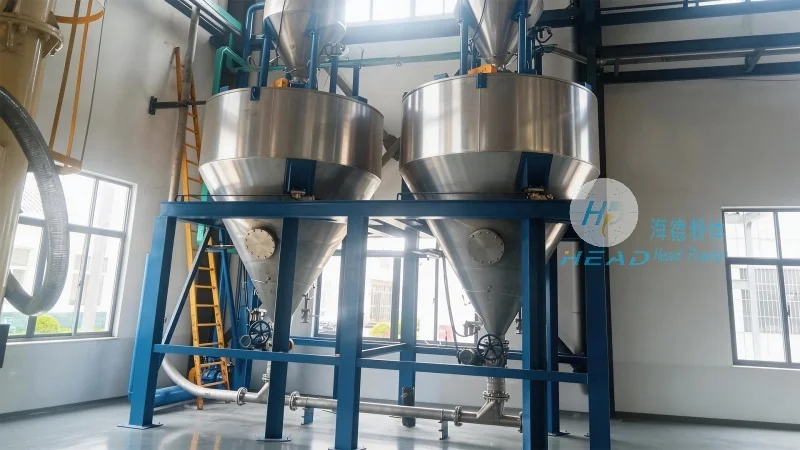
Benefits of Using HeadPowder's Pneumatic Conveying Systems
Implementing HeadPowder's pneumatic conveying systems for phenolic resin offers several benefits that can significantly improve industrial operations. First, the systems provide a more efficient and reliable method of transporting phenolic resin compared to traditional methods. By using air pressure or vacuum to move material through a pipeline, the systems can handle the unique challenges of phenolic resin without the need for mechanical components that are prone to wear and tear. This results in lower maintenance costs and reduced downtime, as the systems require less frequent cleaning and maintenance. Second, the systems offer improved product quality by preventing material degradation and contamination. The use of high-efficiency filters and stainless steel components ensures that the conveyed material remains clean and free from contaminants, which is essential for applications where product purity is critical. Third, the systems provide greater flexibility in material handling. HeadPowder's solutions can be customized to meet the specific requirements of different phenolic resin applications, including the material's flow characteristics, particle size, and the distance to be conveyed. This flexibility allows industries to adapt their conveying systems to changing production needs and improve overall operational efficiency.
Conclusion
In conclusion, pneumatic conveying systems are the preferred solution for transporting phenolic resin due to their efficiency, reliability, and ability to handle the unique challenges of this material. Shandong HeadPowder Engineering Co., Ltd., with its expertise in designing and manufacturing high-quality pneumatic conveying systems, provides customized solutions that are tailored to the specific needs of phenolic resin applications. By using advanced features such as stainless steel construction, wear-resistant liners, and advanced control systems, HeadPowder's systems offer significant benefits in terms of reduced maintenance costs, improved product quality, and greater operational flexibility. For industries looking to improve their phenolic resin handling processes, HeadPowder's pneumatic conveying solutions are an excellent choice that can enhance overall production efficiency and profitability.