

What is a Methylcellulose Material Pneumatic Conveying System? What Are Its Design Principles?
Understanding the fundamentals of methylcellulose material pneumatic conveying systems is crucial for industries dealing with this specific type of powder. These systems represent a sophisticated approach to material handling, combining the benefits of pneumatic transport with the unique properties of methylcellulose. Let's delve into what these systems entail and the underlying design principles that make them effective.
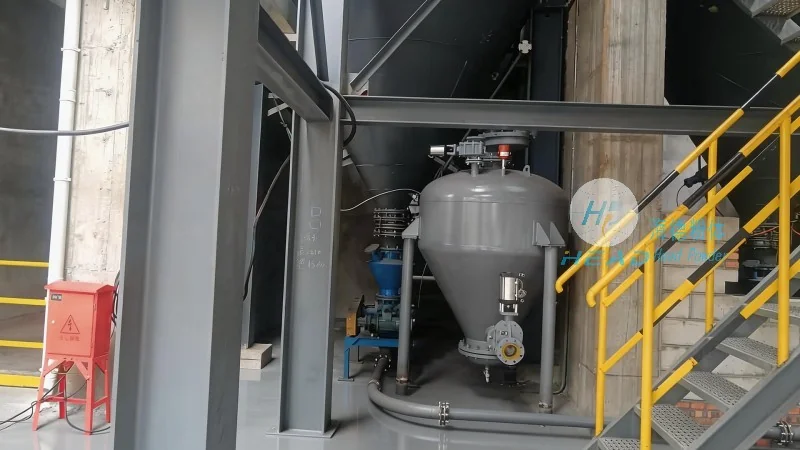
What is a Methylcellulose Material Pneumatic Conveying System?
A methylcellulose material pneumatic conveying system is a specialized equipment setup designed to transport methylcellulose powders through a pipeline using air or other gases. This method, known as pneumatic conveying, is particularly advantageous for handling fine, dusty, or abrasive materials like methylcellulose, which can be challenging to move using traditional mechanical conveyors. The system typically consists of a source of material, a conveying line, and a receiver, all connected by a network of pipes and controlled by a system of valves and regulators.
Core Components of the System
At the heart of any methylcellulose material pneumatic conveying system are several key components that work in tandem to ensure efficient and reliable operation. These components include:
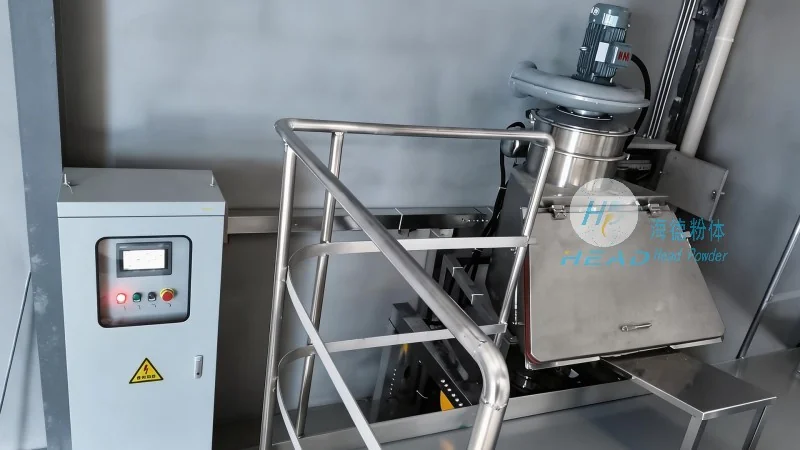
- Material Hopper: A container that holds the methylcellulose powder before it is fed into the conveying system. The hopper is often equipped with a feeder, such as a rotary valve or a screw feeder, to control the flow rate of the material.
- Conveying Line: The pipeline through which the methylcellulose is transported. The line is usually made of materials like stainless steel or plastic, chosen for their resistance to corrosion and wear from the powder.
- Air Supply System: This component generates the necessary air or gas pressure to move the material. It may include a blower, compressor, or air tank, depending on the system's design and the required conveying distance.
- Valves and Regulators: These devices control the flow of material and air within the system. They ensure that the material is conveyed at the optimal speed and pressure, preventing issues like blockages or excessive pressure.
- Receiver: The final destination where the conveyed methylcellulose is deposited. The receiver is designed to handle the material's characteristics, such as its dustiness or potential for caking.
Design Principles for Efficient Operation
The design of a methylcellulose material pneumatic conveying system is guided by several critical principles to maximize efficiency, minimize energy consumption, and ensure the longevity of the equipment. These principles include:
- Proper Air-to-Material Ratio: Achieving the right balance between the volume of air and the amount of material is essential. An optimal ratio ensures that the material is fully suspended and transported without excessive pressure or energy waste.
- System Sizing and Layout: The conveying line's diameter and length are carefully calculated based on the material's properties and the required conveying distance. The layout is designed to minimize bends and changes in direction, which can cause pressure drops and material degradation.
- Material Handling Considerations: Methylcellulose is a fine powder that can be prone to caking or agglomeration. The system's design incorporates features like vibration or agitation to prevent these issues and maintain consistent flow.
- Pressure Management: Controlling the system's pressure is vital to prevent damage to the equipment and ensure safe operation. This involves using pressure regulators and monitoring systems to maintain stable conditions.
Advantages of Methylcellulose Pneumatic Conveying Systems
Implementing a methylcellulose material pneumatic conveying system offers several advantages over traditional handling methods. These benefits include:
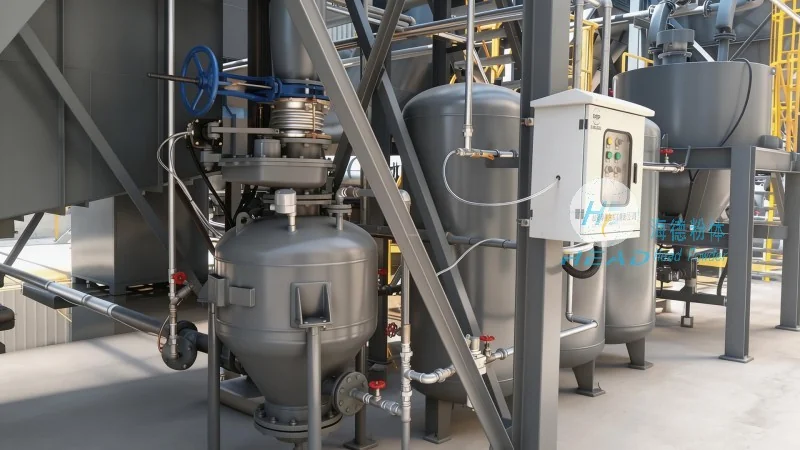
- Reduced Downtime: Pneumatic systems can operate continuously without the need for frequent maintenance or material handling interruptions.
- Improved Safety: By eliminating the need for manual handling of powders, the system reduces the risk of dust exposure and related health hazards.
- Energy Efficiency: Modern systems are designed to use minimal energy while maintaining high conveying rates, making them cost-effective in the long run.
- Versatility: These systems can handle a wide range of material types and sizes, making them adaptable to various industrial applications.
About HeadPowder Engineering
Shandong HeadPowder Engineering Co., Ltd., commonly known as HeadPowder, is a leading engineering company specializing in the design and implementation of advanced material handling systems. With a strong focus on innovation and customer satisfaction, HeadPowder provides comprehensive solutions tailored to the unique needs of industries dealing with powders and bulk materials. HeadPowder's expertise in pneumatic conveying systems, including those for methylcellulose, ensures that clients receive high-quality, reliable equipment that meets their operational requirements. Based in Shandong, China, HeadPowder leverages its local presence and global expertise to deliver cutting-edge solutions for material handling challenges.
Conclusion
Methylcellulose material pneumatic conveying systems represent a highly effective solution for industries dealing with this specific type of powder. By understanding the core components and design principles, businesses can optimize their material handling processes, improve efficiency, and enhance safety. For those seeking to implement such a system, partnering with a reputable engineering company like Shandong HeadPowder Engineering Co., Ltd. can provide the expertise and support needed to achieve successful integration.