

What is High-Calcium Material Pneumatic Conveying Equipment and Its Design Principles?
High-calcium material pneumatic conveying equipment is a specialized system designed to transport materials with high calcium content, such as limestone, gypsum, and calcium carbonate, through an air-driven process. This technology offers an efficient alternative to traditional bulk material handling methods, enabling seamless movement of these materials from storage to processing units. The design of such equipment is tailored to address the unique challenges posed by high-calcium materials, including their abrasive nature, varying particle sizes, and density characteristics.
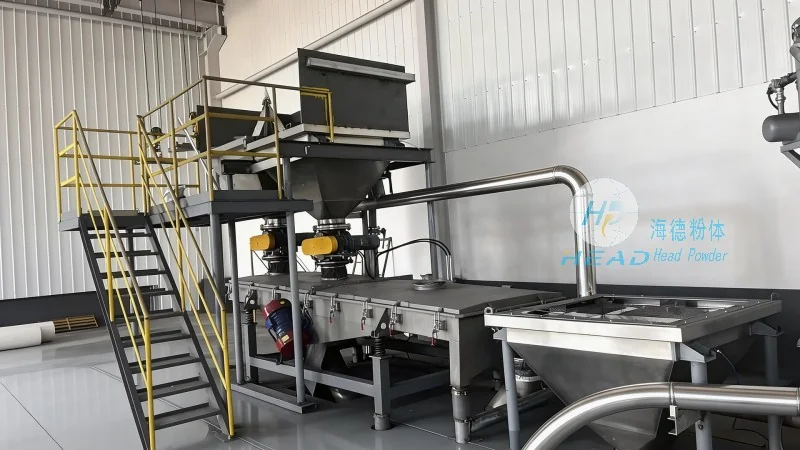
About HeadPowder: Experts in High-Calcium Material Handling Solutions
HeadPowder, operating as Shandong HeadPowder Engineering Co., Ltd. from its base in Shandong, China, is a leading manufacturer specializing in pneumatic conveying systems for high-calcium materials. With years of experience in the engineering and manufacturing sector, the company has developed a comprehensive range of equipment designed to meet the demanding requirements of industrial applications. HeadPowder's commitment to quality and innovation ensures that their products are built to withstand the rigorous conditions associated with handling abrasive and high-density materials.
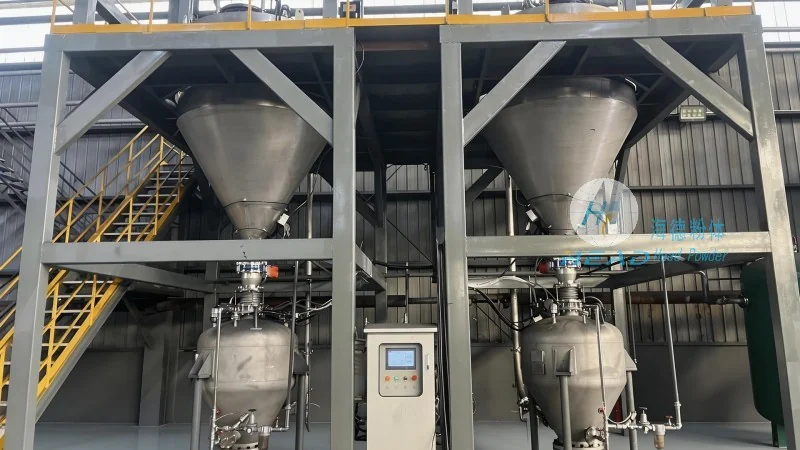
The Design Principles of High-Calcium Material Pneumatic Conveying Equipment
The core design principle of high-calcium material pneumatic conveying equipment revolves around the use of air as the primary medium to transport bulk materials. This system typically operates through two main modes: suction (or negative pressure) and pressure (or positive pressure) conveying. The choice between these modes depends on factors such as the distance to be covered, the volume of material to be transported, and the specific characteristics of the high-calcium material. For instance, suction conveying is often preferred for shorter distances and lighter loads, while pressure conveying is suitable for longer distances and higher material throughput.
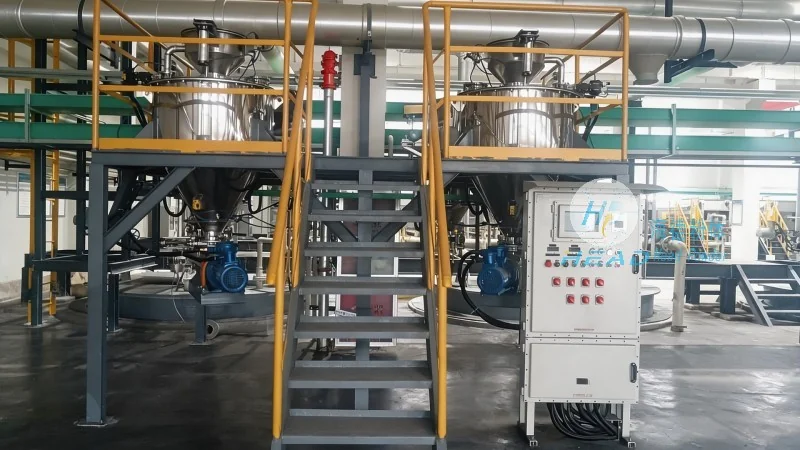
Key components in the design include the material feed system, which ensures consistent and controlled loading of the high-calcium material into the conveying line. This component is crucial for maintaining the flow rate and preventing blockages, especially when dealing with materials that have a tendency to agglomerate or form clumps. The feed system may incorporate features like rotary valves, star feeders, or screw feeders, depending on the material's properties and the required flow rate. Additionally, the design considers the material's abrasive nature, which can lead to wear and tear on the equipment. To mitigate this, HeadPowder employs advanced materials for the construction of the conveying pipes, such as stainless steel or high-grade alloys, and incorporates wear-resistant liners in critical areas like the material inlet and outlet.
The air delivery system, which includes the fan or blower, is another critical aspect of the design. The fan's capacity and pressure must be carefully selected to match the specific requirements of the high-calcium material. For example, limestone, which is commonly used in cement production, has a relatively high density and can be abrasive, requiring a fan with sufficient pressure to overcome the resistance in the conveying line. The fan's design also considers energy efficiency, as reducing power consumption is a key factor in the overall operational costs of the system. HeadPowder's engineers utilize computational fluid dynamics (CFD) and other simulation tools to optimize the fan and pipe layout, ensuring that the system operates at peak efficiency.
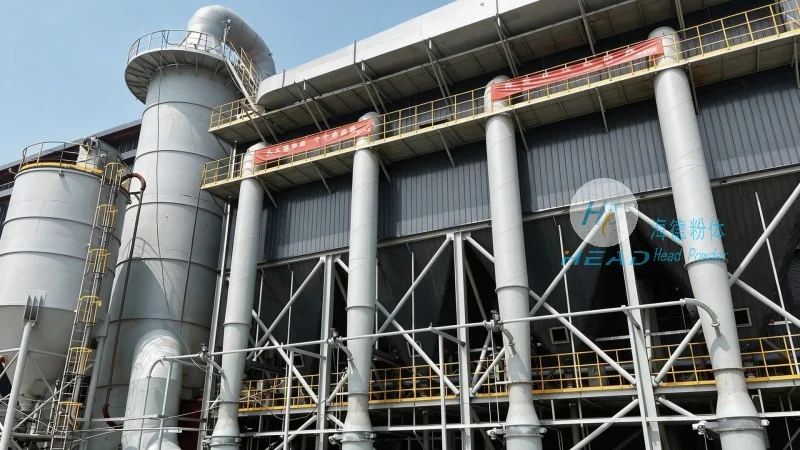
The separation and collection system is essential for the proper handling of the high-calcium material after it has been conveyed. This system typically includes a cyclone separator or a baghouse filter, which separates the material from the air stream. The design of the separator must account for the material's particle size and density. For high-calcium materials with fine particles, a high-efficiency cyclone or a multi-stage filtration system may be required to ensure minimal dust emissions and maximize material recovery. The collection hopper is designed to store the conveyed material safely, with features like level sensors and discharge valves to control the material flow to the processing unit.