

Aluminum Dross Material Pneumatic Conveying Equipment: Understanding Its Function and Design Princip
Aluminum dross, a byproduct of aluminum smelting and processing, poses unique challenges in material handling due to its high moisture content, abrasive nature, and tendency to agglomerate. Traditional bulk material handling methods often struggle with these characteristics, leading to equipment wear, blockages, and inefficient processing. To address these issues, specialized pneumatic conveying equipment has been developed to safely and efficiently transport aluminum dross. This article explores the role of such equipment in handling aluminum dross and delves into the fundamental design principles that ensure its effective operation.
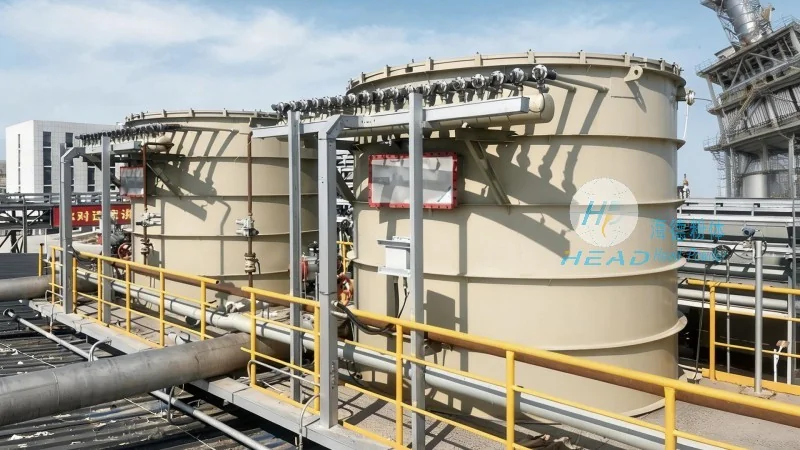
HeadPowder: A Leader in Aluminum Dross Handling Solutions
Shandong HeadPowder Engineering Co., Ltd., a prominent manufacturer based in China, specializes in the design and production of advanced material handling systems. With a focus on industrial applications, HeadPowder has developed cutting-edge pneumatic conveying equipment tailored to the specific demands of aluminum dross processing. The company’s expertise lies in integrating robust engineering with practical solutions to enhance productivity and reduce operational costs for clients in the aluminum industry.
What is Pneumatic Conveying for Aluminum Dross?
Pneumatic conveying equipment for aluminum dross is a system that uses pressurized air or vacuum to transport the material from one location to another. Unlike mechanical conveying methods (such as belt conveyors or screw conveyors), pneumatic systems offer advantages in handling abrasive and sticky materials like aluminum dross. The equipment typically consists of a hopper for material storage, a conveyor line (often made of stainless steel or other corrosion-resistant materials), and a separation system to collect the conveyed material at the destination. This method eliminates the need for moving parts in contact with the material, reducing wear and maintenance requirements.
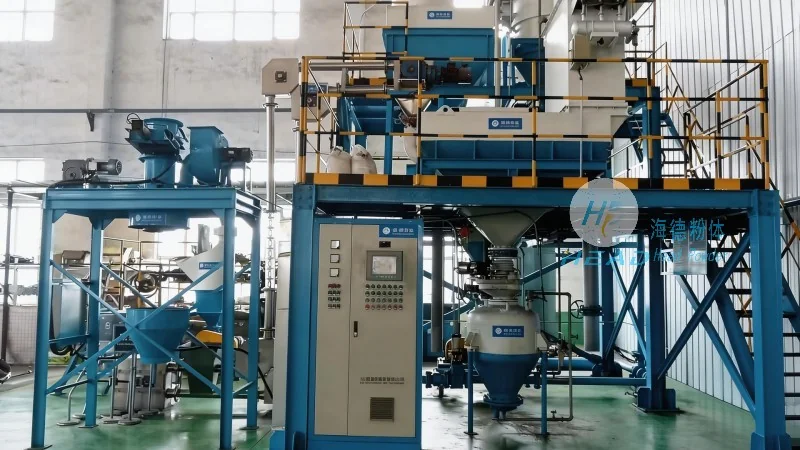
Key Design Principles of Aluminum Dross Pneumatic Conveying Systems
The effectiveness of aluminum dross pneumatic conveying equipment relies on several critical design principles. First, the velocity of the conveying air must be carefully controlled to ensure that the material is transported without causing excessive wear on the system components. High air velocities can lead to increased friction and abrasion, while low velocities may result in material settling or blockages. Engineers typically calculate the optimal air velocity based on the material’s density, particle size, and flow characteristics. Second, the system’s pressure and vacuum levels are optimized to maintain a consistent flow rate and prevent air leakage, which could compromise the conveying efficiency. The design also considers the material’s moisture content and agglomeration tendency, incorporating features like pre-drying or agglomerate breaking mechanisms to improve flowability. Additionally, the use of corrosion-resistant materials, such as stainless steel or special alloys, is essential to withstand the acidic and abrasive properties of aluminum dross, ensuring long-term durability and reliability.
Components and Operational Mechanisms
A typical aluminum dross pneumatic conveying system includes several key components that work in tandem to achieve efficient material transport. The initial stage involves a hopper or feeder that stores the aluminum dross and feeds it into the system. The feeder may include a rotary valve or a vibratory feeder to control the material flow rate, preventing overloading or underloading of the conveyor line. The conveyor line itself is a network of pipes, often with bends and transitions, that guides the material from the source to the destination. The air is introduced into the system through a blower or vacuum pump, creating the necessary pressure or suction to move the material. At the receiving end, a cyclone separator or a bag filter is used to separate the conveyed material from the air, ensuring that the material is deposited accurately and the air is cleaned before release. The system may also include a dust collection system to capture any fine particles that escape during the conveying process, protecting the environment and maintaining air quality.
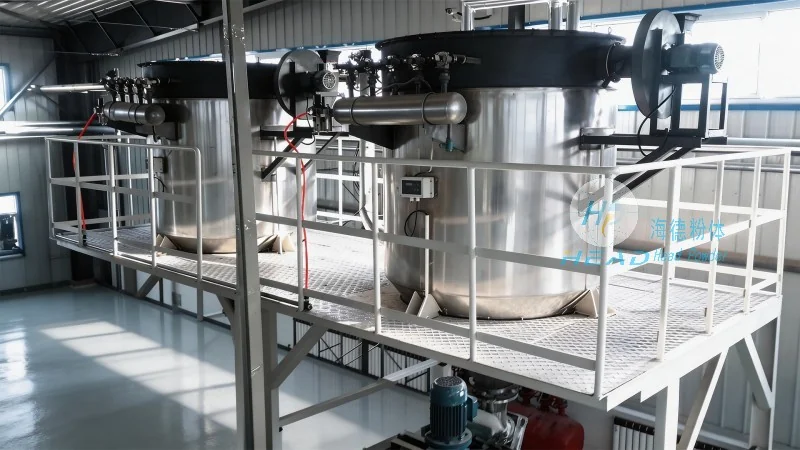
Advantages of Using Pneumatic Conveying for Aluminum Dross
Compared to traditional mechanical conveying methods, pneumatic conveying offers several advantages when handling aluminum dross. One of the primary benefits is the ability to handle abrasive and sticky materials without significant wear on the equipment. The lack of moving parts in contact with the material reduces maintenance costs and extends the lifespan of the system. Additionally, pneumatic systems can transport materials over longer distances and through complex layouts, including vertical lifts and multiple transfer points, without the need for additional equipment like elevators or transfer stations. The enclosed nature of the system also helps to contain dust and fumes, improving workplace safety and reducing environmental impact. Furthermore, the flexibility of pneumatic conveying allows for easy integration with other processing equipment, such as crushers or classifiers, enabling a seamless material handling workflow.
Applications and Industries
Aluminum dross pneumatic conveying equipment is widely used in various industrial applications within the aluminum industry. The primary use is in the recovery of aluminum from dross, where the material is transported from the smelting furnace to a processing facility for further treatment. This includes the transport of dross to a melting furnace, where it is reprocessed to recover aluminum metal. Additionally, the equipment is used in the handling of dross from aluminum casting operations, where it is collected and transported to a recycling plant. The systems are also employed in the processing of aluminum scrap, where dross is a byproduct that needs to be separated and handled efficiently. The versatility of pneumatic conveying makes it suitable for a range of applications, from small-scale operations to large industrial plants, ensuring that aluminum dross can be managed effectively and sustainably.