

What is a Polyamide Acid Material Pneumatic Conveying Equipment? What Are Its Design Principles?
Welcome to Shandong HeadPowder Engineering Co., Ltd., a leading manufacturer specializing in pneumatic conveying systems for various industrial applications. This article provides an in-depth look at polyamide acid material pneumatic conveying equipment, exploring its functions, design principles, and the technical expertise behind its development.
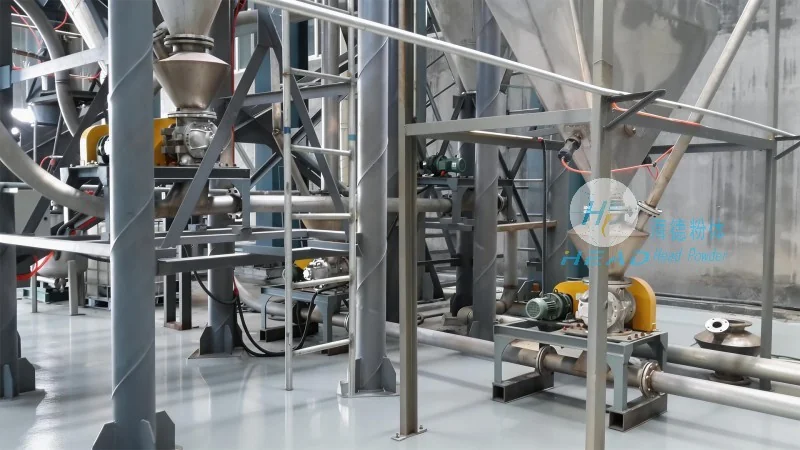
Introduction to Polyamide Acid Material Pneumatic Conveying Equipment
Polyamide acid, also known as nylon precursor, is a critical intermediate in the production of polyamides. Its handling and transportation require specialized equipment to ensure efficiency, safety, and product integrity. Pneumatic conveying systems offer a reliable solution for moving polyamide acid materials, particularly in industrial settings where traditional bulk handling methods may pose challenges. These systems utilize air or other gases to transport the material through a pipeline, eliminating the need for mechanical components that could cause contamination or damage to the product.
Key Features and Benefits of Pneumatic Conveying for Polyamide Acid
When it comes to transporting polyamide acid, pneumatic conveying equipment offers several advantages over other methods. Firstly, it provides a closed system that minimizes dust exposure and environmental contamination, which is crucial for maintaining product purity and compliance with industrial regulations. Secondly, the system allows for gentle handling of the material, preventing agglomeration or degradation that could occur with mechanical conveyors. Additionally, pneumatic conveying can handle a wide range of material characteristics, including varying particle sizes and moisture content, making it versatile for different production stages.
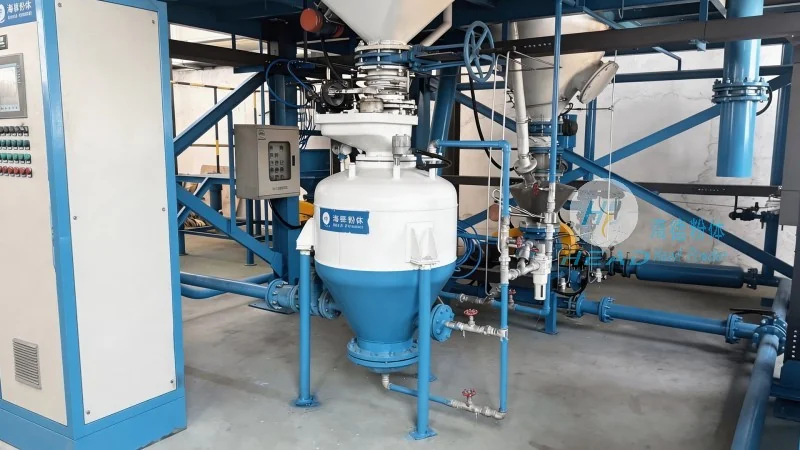
Design Principles of Polyamide Acid Pneumatic Conveying Systems
The design of a polyamide acid pneumatic conveying system involves several key components and principles to ensure optimal performance. The system typically includes a material feed hopper, a pressure or vacuum source, a conveying line, and a discharge unit. The choice between pressure and vacuum systems depends on the application and the distance the material needs to travel. For example, pressure systems are often used for short to medium distances and high material flow rates, while vacuum systems are suitable for longer distances or when the material is to be collected from multiple points.
One of the critical design considerations is the selection of the right air velocity and pressure. The air velocity must be sufficient to lift and transport the material particles without causing excessive wear on the system components. This is typically determined by the particle size, density, and flow characteristics of the polyamide acid. The conveying line diameter and length are also carefully calculated to maintain the required air flow and pressure, ensuring consistent material transport. Additionally, the system incorporates features such as cyclones or filters to separate the material from the air stream, preventing clogging and maintaining system efficiency.
Components and Operational Mechanism
At the core of a polyamide acid pneumatic conveying system are several essential components that work in tandem to achieve efficient material transport. The material feed hopper is designed to store and feed the polyamide acid into the system, often equipped with a metering device to control the flow rate. The pressure or vacuum source, such as a blower or vacuum pump, generates the necessary air flow to move the material through the pipeline. The conveying line, usually made of stainless steel or other corrosion-resistant materials, is designed to withstand the pressure and temperature conditions of the polyamide acid. The discharge unit, which may include a cyclone separator or a filter, collects the material from the air stream and returns it to the process or storage area.
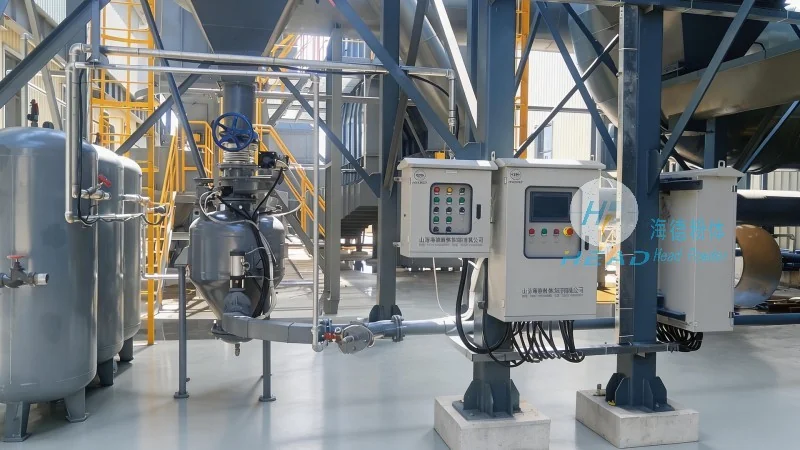
The operational mechanism involves introducing the polyamide acid into the conveying line, where it is suspended by the air flow. The air velocity is maintained at a level that ensures the material particles are carried along the pipeline without settling. The system may include additional components such as expansion joints or bends to accommodate changes in direction or elevation, ensuring smooth material transport. The discharge unit then separates the material from the air, allowing the material to be collected and used in the next stage of production.
Applications and Industry Use Cases
Polyamide acid pneumatic conveying equipment is widely used in various industries, including chemical manufacturing, plastics production, and pharmaceuticals. In the chemical industry, it is used to transport polyamide acid intermediates between reactors and storage tanks, ensuring a continuous and controlled process. In the plastics industry, the equipment is used to move polyamide acid from storage to extrusion or molding machines, where it is processed into final products like fibers or films. The pharmaceutical industry also benefits from these systems, as they provide a clean and hygienic method for handling polyamide acid used in drug formulations.
Advantages Over Traditional Conveying Methods
Compared to traditional mechanical conveying methods, polyamide acid pneumatic conveying systems offer several advantages. Mechanical conveyors, such as screw conveyors or belt conveyors, can cause contamination due to direct contact with the material and system components. In contrast, pneumatic systems maintain a closed environment, reducing the risk of product contamination and cross-contamination. Additionally, pneumatic systems are more flexible in terms of layout, as they can be easily reconfigured to accommodate changes in production processes or facility expansions. The system also reduces labor costs by automating the material handling process, improving overall efficiency and productivity.
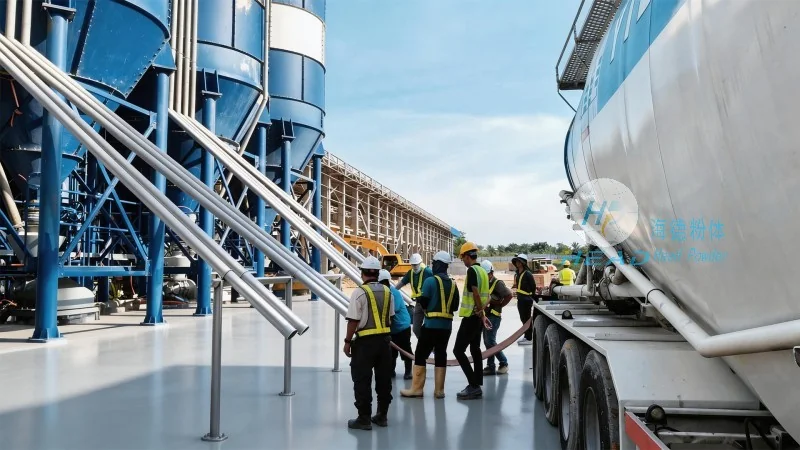
Customization and Scalability
Shandong HeadPowder Engineering Co., Ltd. specializes in designing and manufacturing customized pneumatic conveying systems tailored to the specific needs of each client. The company considers factors such as material characteristics, production capacity, and facility layout when designing a system. The systems can be scaled to accommodate small to large production volumes, ensuring that clients can meet their growing demand without compromising on efficiency or quality. The company also provides ongoing support and maintenance services to ensure the system operates at optimal performance levels throughout its lifespan.
Conclusion
Polyamide acid material pneumatic conveying equipment is a critical component in modern industrial processes, providing a reliable and efficient method for handling polyamide acid materials. The design principles and components of these systems are carefully engineered to ensure product integrity, safety, and operational efficiency. With the expertise of manufacturers like Shandong HeadPowder Engineering Co., Ltd., businesses can implement effective pneumatic conveying solutions that meet their specific requirements and contribute to overall production success.