

What is Biomass Material Pneumatic Conveying Equipment? And What Are Its Design Principles?
Biomass material pneumatic conveying equipment is a specialized system designed to transport bulk materials, particularly biomass, through a pipeline using air or other gases as the conveying medium. This technology has become increasingly important in the modern industrial landscape, especially in sectors dealing with renewable energy sources and sustainable material handling. The equipment plays a crucial role in efficiently moving biomass from storage areas to processing units, such as boilers, pelletizers, or other processing facilities. By leveraging the principles of pneumatic transport, these systems offer advantages like reduced labor costs, minimized material loss, and enhanced safety compared to traditional mechanical conveyors.
Understanding the Core Function of Biomass Pneumatic Conveying Systems
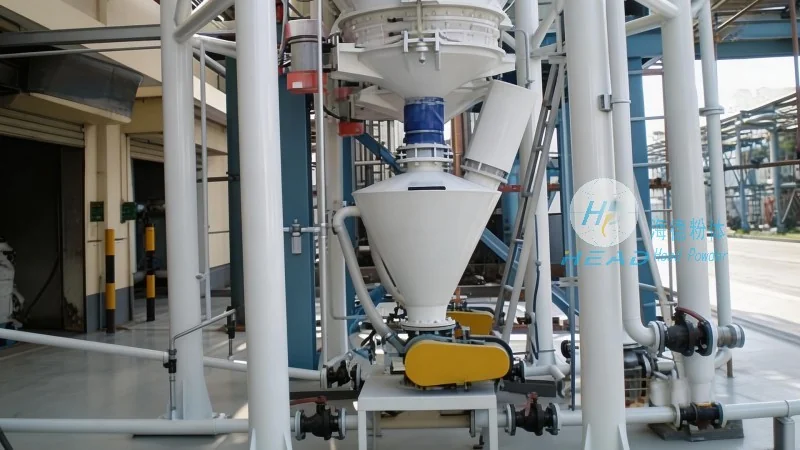
The primary function of biomass material pneumatic conveying equipment is to move bulk biomass materials, which may include wood chips, sawdust, agricultural residues, or other organic matter, from one location to another. Unlike traditional methods that rely on gravity or mechanical components like belts or screws, pneumatic conveying uses pressurized air to create a flow that propels the material through a pipeline. This approach is particularly beneficial for materials that are dusty, sticky, or have irregular shapes, as it minimizes the risk of clogging and ensures a consistent flow rate. The system typically consists of a hopper for material storage, a blower or compressor to generate the necessary air pressure, a pipeline network to transport the material, and a receiver or discharge point where the material is deposited. The entire process is controlled by a system of valves, filters, and sensors to maintain optimal performance and prevent system failures.
Key Design Principles Behind Biomass Pneumatic Conveying Equipment
The design of biomass material pneumatic conveying equipment is guided by several fundamental principles to ensure efficiency, reliability, and adaptability to different material types and operational conditions. One of the most critical principles is the selection of the appropriate conveying velocity, which is determined by the material's properties, such as particle size, density, and moisture content. The velocity must be high enough to prevent material settling in the pipeline but low enough to avoid excessive wear on the equipment and energy consumption. Another key principle is the use of a suitable air-to-material ratio, which balances the amount of air used to the amount of material being transported. This ratio is crucial for maintaining the material's flowability and preventing blockages. Additionally, the system's design considers the pressure drop across the pipeline, which is influenced by factors like pipe diameter, length, and the number of bends or fittings. Proper design minimizes pressure losses, ensuring that the blower or compressor can operate efficiently without excessive energy use. The equipment also incorporates features like air filters and cyclone separators to maintain air quality and prevent dust accumulation, which is essential for both equipment longevity and environmental compliance.
Components and Their Roles in Biomass Pneumatic Conveying Systems
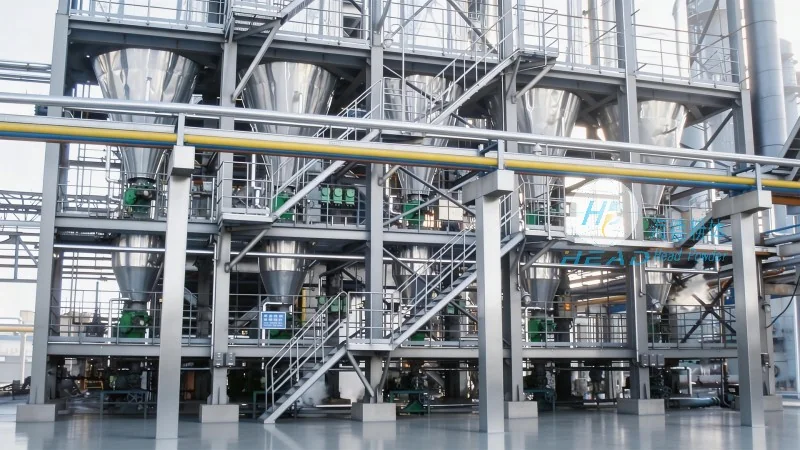
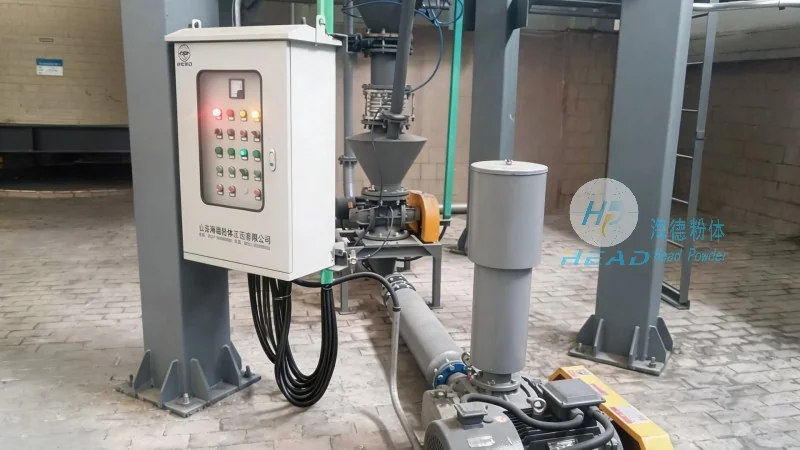
A biomass material pneumatic conveying system comprises several key components, each playing a vital role in the overall operation. The hopper or feeder is the initial component where the biomass material is loaded. It is designed to feed the material into the system at a controlled rate, preventing overloading and ensuring a steady flow. The blower or compressor is the heart of the system, providing the necessary air pressure to move the material through the pipeline. The choice of blower type—such as rotary lobe, centrifugal, or positive displacement—depends on the specific application and material characteristics. The pipeline network connects the feeder to the discharge point and is typically made of materials like stainless steel or plastic to withstand the abrasive nature of biomass particles and the effects of moisture. The pipeline may include various fittings, such as elbows, tees, and reducers, which are carefully designed to minimize pressure losses and maintain the material's flow. The receiver or discharge hopper is where the material is deposited after being conveyed. It is often equipped with a dust collection system to capture any fine particles and prevent air pollution. Sensors and control systems are integrated into the design to monitor parameters like pressure, flow rate, and material level, allowing for real-time adjustments and automated operation. These components work together to create a seamless and efficient material handling solution for biomass applications.
Advantages of Using Biomass Material Pneumatic Conveying Equipment
Implementing biomass material pneumatic conveying equipment offers numerous advantages over traditional material handling methods. One of the most significant benefits is the ability to handle a wide range of biomass materials, including those with high moisture content or irregular shapes, without the risk of clogging or material degradation. The system's enclosed design minimizes dust emissions and improves workplace safety, which is critical in industrial settings. Additionally, pneumatic conveying systems can be designed to operate in both positive and negative pressure modes, providing flexibility in material transport routes. The enclosed pipeline also reduces the risk of material loss and contamination, ensuring that the biomass remains in a clean and controlled environment throughout the transport process. From an operational perspective, these systems offer higher throughput and lower labor costs compared to manual or mechanical handling methods. The automated control systems allow for consistent performance and reduced downtime, contributing to increased productivity. Furthermore, the energy efficiency of modern pneumatic conveying equipment has improved significantly, with some systems achieving energy savings of up to 30% compared to traditional conveyors. These advantages make biomass material pneumatic conveying equipment an attractive solution for industries seeking to optimize their material handling processes and reduce operational costs.
Applications and Industries Utilizing Biomass Pneumatic Conveying Systems
Biomass material pneumatic conveying equipment is widely used across various industries that rely on biomass as a primary material. The most common applications include the transportation of biomass to biomass boilers for energy generation, where the material is used as a fuel source. In this context, the equipment ensures a continuous and reliable supply of biomass to the boiler, maintaining optimal combustion efficiency. Another key application is in the production of biomass pellets, where the material is conveyed from storage to pelletizing machines. The consistent flow provided by pneumatic conveying is essential for maintaining the quality and uniformity of the pellets. Agricultural and forestry industries also benefit from these systems, as they handle residues such as wood chips, straw, or corn stalks from fields or sawmills to processing facilities. The equipment's ability to handle large volumes of material efficiently makes it suitable for both small-scale and large-scale operations. Additionally, in the biofuel and biogas sectors, pneumatic conveying systems transport biomass to digesters or reactors, where it is processed to produce renewable energy. The versatility of biomass material pneumatic conveying equipment allows it to adapt to different operational requirements, making it a valuable asset in various industrial settings.
Customization and Scalability of Biomass Pneumatic Conveying Equipment
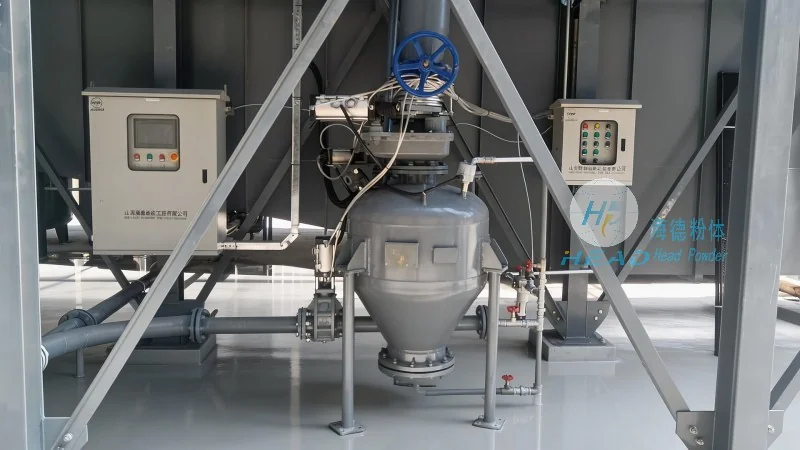
Shandong HeadPowder Engineering Co., Ltd., a leading manufacturer in the field, offers customized solutions tailored to the specific needs of clients. The company specializes in designing and manufacturing biomass material pneumatic conveying equipment that meets the unique requirements of different applications. Their expertise lies in understanding the diverse properties of biomass materials and selecting the appropriate components and design parameters to ensure optimal performance. The equipment can be scaled to handle small to large volumes of material, making it suitable for both pilot-scale and full-scale industrial operations. Customization options include adjustments to the pipeline diameter, length, and configuration, as well as the selection of blower type and pressure levels. The company also provides after-sales support, including maintenance services and technical assistance, to ensure the long-term reliability and efficiency of the systems. By working closely with clients, Shandong HeadPowder Engineering Co., Ltd. ensures that the biomass pneumatic conveying equipment is tailored to the specific operational conditions and material characteristics, maximizing its effectiveness and minimizing downtime. This approach has made them a trusted partner for industries seeking reliable and efficient material handling solutions.
Conclusion: The Role of Biomass Material Pneumatic Conveying Equipment in Modern Industry
Biomass material pneumatic conveying equipment plays a vital role in the efficient and sustainable handling of biomass materials, which are increasingly important as renewable energy sources. The design principles and components of these systems are carefully engineered to address the unique challenges of biomass transport, offering advantages such as high efficiency, low maintenance, and environmental friendliness. As industries continue to adopt sustainable practices, the demand for reliable and efficient material handling solutions will only grow. Companies like Shandong HeadPowder Engineering Co., Ltd. are at the forefront of developing advanced pneumatic conveying systems that meet the evolving needs of the market. By leveraging their expertise and customization capabilities, they provide clients with solutions that enhance operational efficiency, reduce costs, and contribute to a more sustainable industrial future. The continued innovation in biomass material pneumatic conveying equipment will undoubtedly play a significant role in the transition to a more sustainable and energy-efficient industrial landscape.