

What is a Quicklime Powder Material Pneumatic Conveying Equipment? What is its Design Principle?
Quicklime powder, also known as calcium oxide, is a widely used industrial material in sectors like construction, chemical manufacturing, and environmental treatment. Efficient and safe transportation of this fine powder is vital for industrial processes. Pneumatic conveying equipment offers a reliable solution with advantages such as dust-free operation and flexible material transport. This article explores quicklime powder pneumatic conveying equipment and its design principles, highlighting technical aspects for optimal performance.
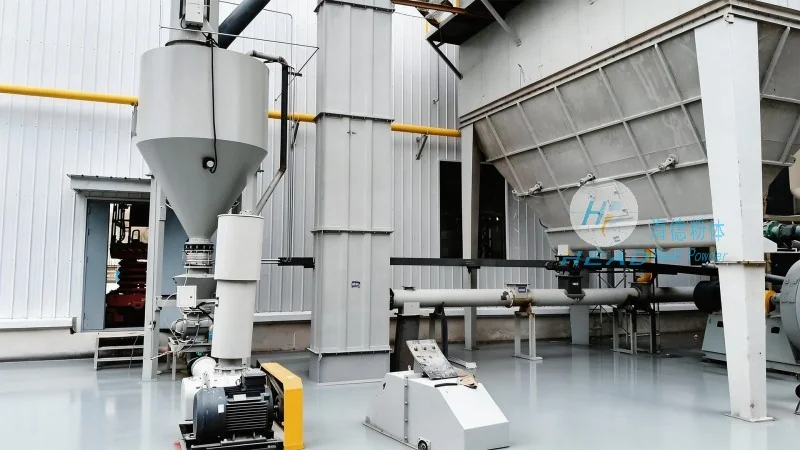
Understanding Pneumatic Conveying Systems for Quicklime Powder
Pneumatic conveying systems use air or gas to transport bulk materials like quicklime powder through pipelines. These systems are categorized into pressure and vacuum types. Pressure systems push material with compressed air, while vacuum systems draw it with negative pressure. For quicklime powder—fine and abrasive—the system design must prevent degradation and equipment wear. Factors like particle size, moisture, and flow rate are critical for stable transport.
Key Design Principles of Quicklime Powder Pneumatic Conveying Equipment
The design of quicklime powder pneumatic conveying equipment is based on fundamental principles for reliability and material integrity. Air velocity and pressure selection is paramount: velocity must suspend particles without excessive wear. Pressure systems typically operate at 0.5–2 bar, while vacuum systems use lower pressures (0.1 bar) for shorter distances. These parameters ensure efficient, low-wear transport of the abrasive quicklime powder.
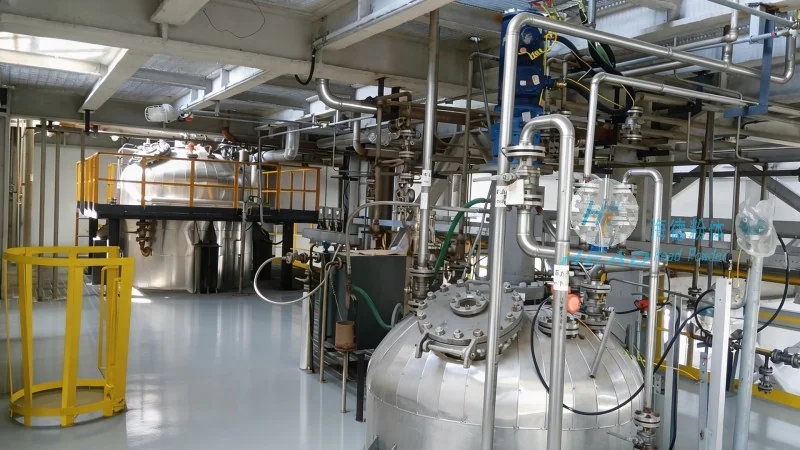
Components and Functionality of Quicklime Powder Pneumatic Conveying Systems
A typical system includes a material hopper, feeder, air compressor/vacuum pump, pipeline, and discharge device. The hopper stores and feeds powder; the feeder (rotary valve or screw) controls flow. The compressor or pump generates pressure/vacuum. The pipeline—stainless steel or polyethylene—is resistant to corrosion and abrasion. The discharge device (rotary valve or bagging machine) collects powder at the destination. Each component is engineered to handle quicklime’s properties, ensuring durability and efficiency.
Advantages of Using Quicklime Powder Pneumatic Conveying Equipment
Pneumatic conveying offers several benefits over traditional methods. It is dust-free, enhancing workplace safety and reducing explosion risks. Flexibility allows horizontal, vertical, or inclined transport, ideal for complex layouts. High-volume handling with minimal maintenance lowers operational costs. The enclosed pipeline prevents contamination and material loss, ensuring product quality and environmental compliance.
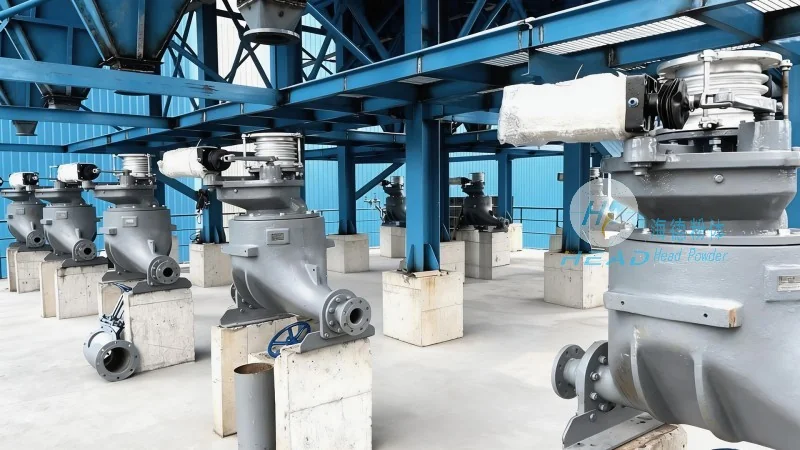
Applications and Industries Utilizing Quicklime Powder Pneumatic Conveying
Quicklime powder pneumatic conveying is used across industries due to its versatility. In construction, it transports quicklime for mortar and concrete. In chemicals, it aids calcium-based production and wastewater treatment. The environmental sector uses it for flue gas desulfurization and effluent neutralization. The food and pharmaceutical industries also benefit from calcium supplementation and product manufacturing. The system’s adaptability makes it suitable for diverse industrial needs.
Conclusion and Company Overview
Quicklime powder pneumatic conveying equipment is essential for modern industrial operations, providing efficient, safe, and reliable transport. Design principles, components, and advantages ensure optimal performance, boosting productivity and safety. Shandong HeadPowder Engineering Co., Ltd. specializes in designing and manufacturing high-quality pneumatic conveying systems tailored to quicklime powder handling. With a focus on innovation and customer satisfaction, HeadPowder delivers reliable, durable equipment. Based in Shandong, China, HeadPowder leverages expertise to serve global markets, adhering to industry standards and enhancing operational efficiency.