

[W]Working Principle and Characteristics of PVC Pellet Pneumatic Conveying
For industrial applications involving the transport of PVC pellets, pneumatic conveying systems offer an efficient and reliable solution. This article, presented by Shandong HeadPowder Engineering Co., Ltd. (HeadPowder), delves into the working principle and key characteristics of PVC pellet pneumatic conveying, providing insights into how these systems operate and the advantages they bring to material handling processes.
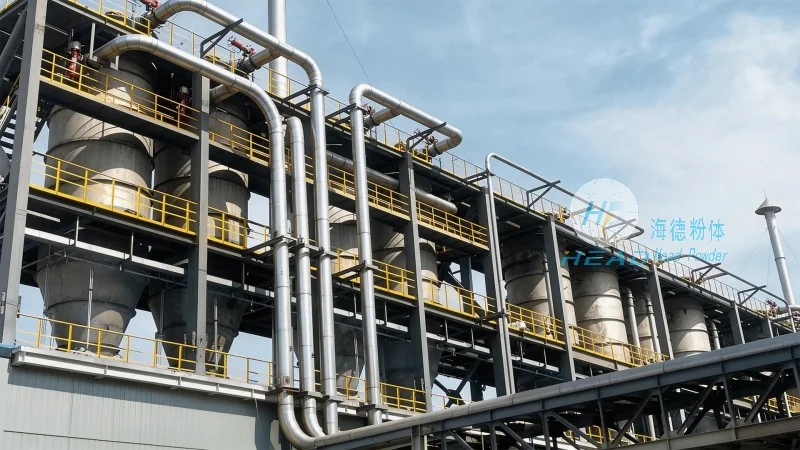
Working Principle of PVC Pellet Pneumatic Conveying
PVC pellet pneumatic conveying relies on the use of compressed air or other gases to transport solid particles through a pipeline. The process typically involves several key components, including a hopper for material storage, a feeder to control the flow of pellets, a conveying line, and a receiver for the delivered material. The working principle can be broken down into the following steps:
First, PVC pellets are fed from the hopper into the conveying line via the feeder. Simultaneously, compressed air is introduced into the pipeline, creating a flow that lifts and propels the pellets. The air velocity within the line is carefully controlled to ensure that the pellets are carried without excessive abrasion or degradation. The conveying system may use either positive pressure (where air is blown into the line) or negative pressure (where air is drawn out), depending on the specific application and system design. The pellets are then transported through the pipeline to the receiver, where the air is separated from the material and the pellets are discharged.
Key Characteristics of PVC Pellet Pneumatic Conveying
The characteristics of PVC pellet pneumatic conveying systems are tailored to meet the demands of handling this specific material. Some of the most notable features include:
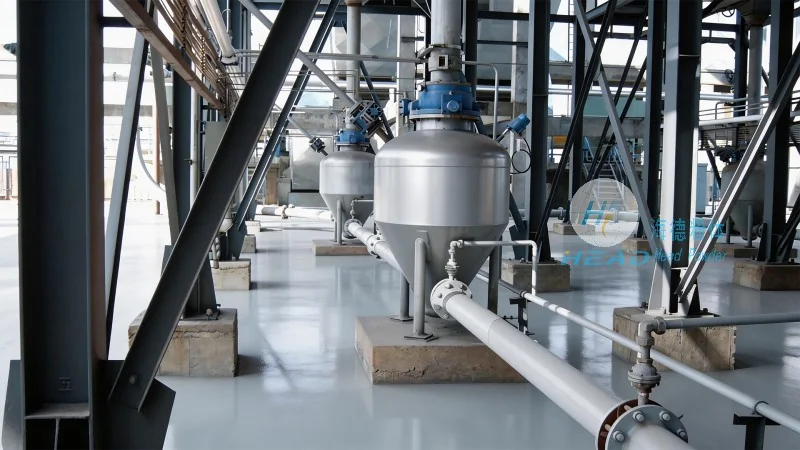
1. Low Maintenance Requirements: Pneumatic conveying systems for PVC pellets are designed with minimal moving parts, reducing the need for frequent maintenance and extending the operational lifespan of the equipment. This is particularly beneficial for industrial environments where downtime can be costly.
2. Prevention of Material Contamination: The enclosed nature of pneumatic conveying prevents external contaminants from entering the system and ensures that the PVC pellets remain clean and free from dust or debris. This is crucial for maintaining product quality, especially in applications where purity is essential.
3. Flexibility in Layout: Pneumatic conveying systems can be configured to follow complex layouts, allowing for the transport of PVC pellets over long distances or through multiple stages of a production line. The ability to route the pipeline vertically, horizontally, or at various angles makes it adaptable to different facility designs.
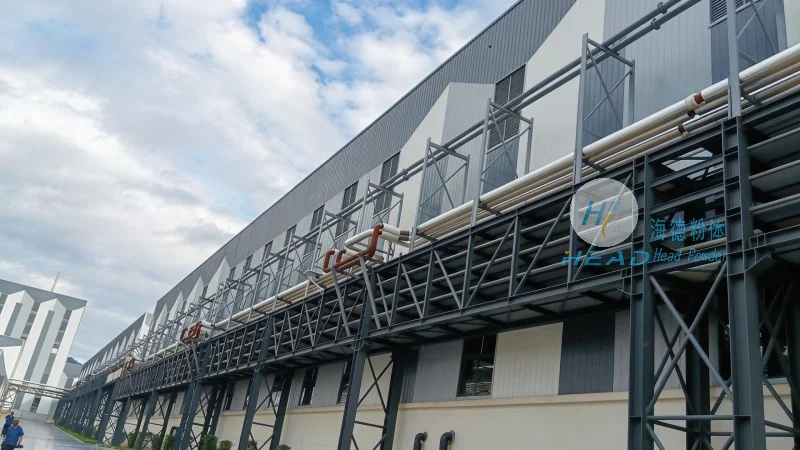
4. Energy Efficiency: Modern pneumatic conveying systems are engineered to optimize energy use, with features such as variable speed drives and efficient air compressors that help reduce operational costs. This makes the technology an attractive option for businesses looking to improve their environmental footprint and reduce energy expenses.
Application Scenarios and Benefits
PVC pellet pneumatic conveying is widely used in various industries, including manufacturing, processing, and packaging. The benefits of this technology extend beyond the basic transport of material, contributing to overall operational efficiency and product quality. For example, in the plastic manufacturing sector, pneumatic conveying is used to move PVC pellets from storage to processing equipment, ensuring a continuous and uninterrupted production flow. The enclosed system also helps maintain a clean working environment, reducing the risk of dust-related health issues and improving workplace safety.
In summary, PVC pellet pneumatic conveying combines advanced engineering with practical design to deliver a reliable and efficient solution for material handling. By understanding the working principle and characteristics of these systems, businesses can make informed decisions about implementing pneumatic conveying in their operations, ultimately enhancing productivity and product quality.